
Shaping a better world
Through our work we are creating safe, resilient and regenerative places, with our own organisation's key decarbonisation milestones achieved and others on the horizon.
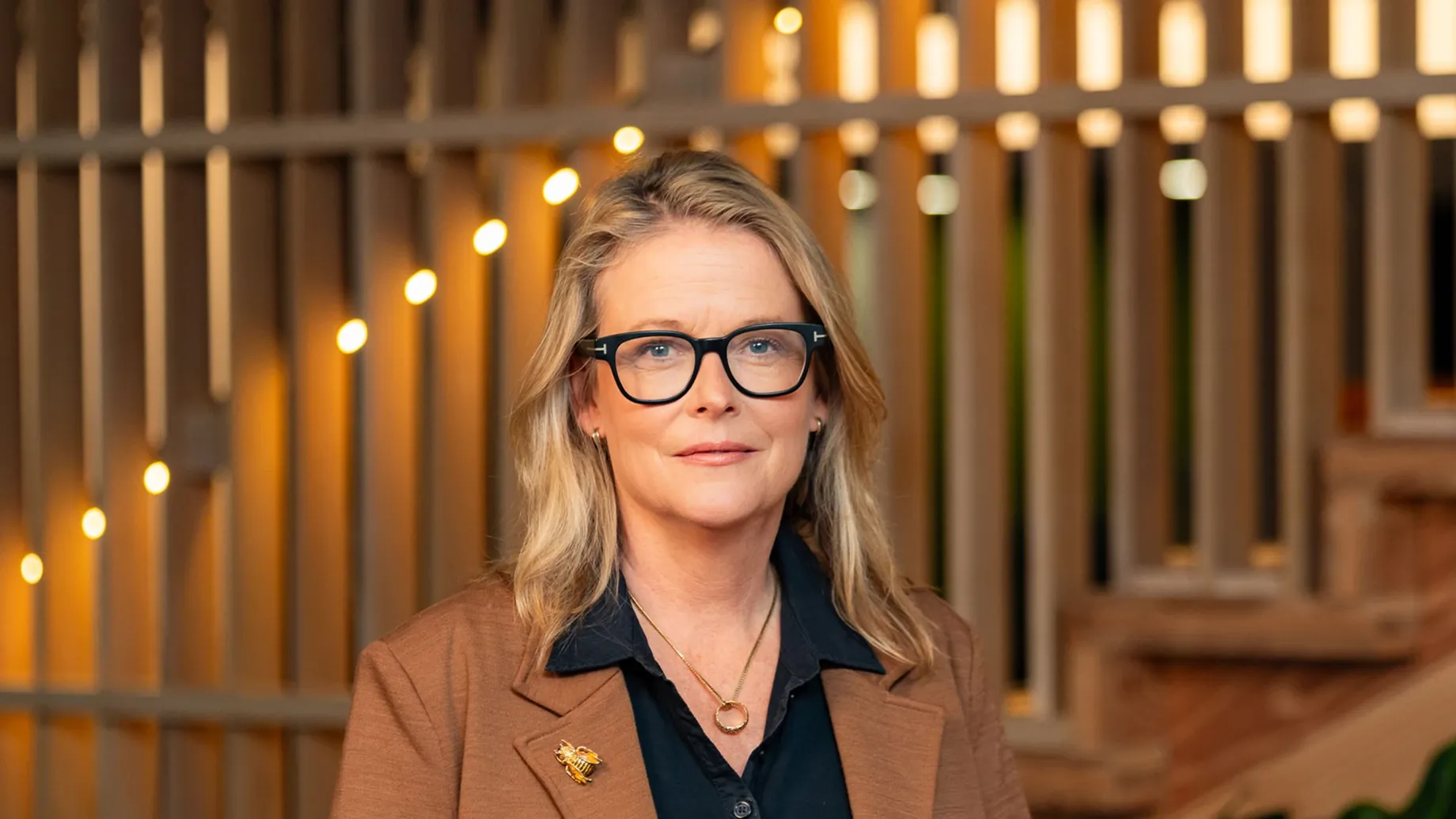
Jo da Silva
Global Sustainable Development Director
Our greatest opportunity to shape a better world lies in the work we do with our clients and the decisions we make together. Through our services, we create safe, resilient, and regenerative places. This, our handprint, is the tangible impact of our work in the world and it demonstrates our commitment to sustainable development. We are committed to continuing to reduce our carbon footprint.
Creating change in a connected world
We know we can create the greatest possible positive impact by developing solutions for our clients that improve lives, address the climate crisis and nature loss, and help accelerate the vital transition to a circular economy. Alongside our handprint, our impact is also about our engagement beyond our projects through participation in global events and partnerships, and our wider commitments to influence systemic change.
Progress along our journey
This year, we marked the end of our five-year Net Zero Strategy. Our initial near-term target was to reduce our absolute Scope 1 and 2, and Scope 3 greenhouse gas (GHG) emissions by 30% by 2025 from a 2019 baseline. Our results for the last financial year show that we have exceeded these initial targets, achieving an 88% reduction in Scope 1 and 2 emissions and a 35% reduction in Scope 3 emissions.
Our global carbon footprint was 109,802 tonnes of carbon dioxide equivalent (tCO2e), which represents an 8% decrease compared with the previous year and a 39% decrease against our baseline year. We are on track to achieve our updated near- and long-term science-based target (SBTi) emissions and are proud to have maintained our goal of sourcing 100% renewable electricity since 2023.
Our newly evolved five year Net Zero Plan was published in January 2025 and details our progress as well as how we will achieve our targets and become a net zero organisation by taking action across three priority areas: our offices, our travel and our supply chain. Our supply chain is our largest source of emissions, making collaboration with our supply chain to reduce these emissions a key priority.
Funding nature restoration
Since 2019, we have been committed to offsetting our emissions from corporate aviation through the purchase of high-quality carbon removal offset credits. Funding is provided by the Arup Carbon Levy, a charge applied per tonne of CO2e for all emissions from business air travel. This year Arup made a £1m investment to support the restoration of 67.5 hectares of degraded land with carbon-depleted soils as part of the Boothby Wildland project in Lincolnshire, UK.
8
%
tCO₂e reduction compared to the previous year
39
%
tCO₂e decrease against our baseline year