
Gridunlocked
Unlocking the benefits of investing in the electricity grid
A robust electricity grid is key to enabling the transition to a more secure, resilient and low carbon energy system. But to what extent will it help power UK growth?
‘Gridunlocked’ is a macroeconomic study – it identifies the growth in gross value added (GVA) and jobs that the UK might achieve, if the country stays ambitious as it reimagines the electricity grid and wider energy system.
In this report, we use macroeconomic modelling and Arup insight to uncover:
- The socioeconomic impacts of a supercharged vs underpowered level of grid investment between 2026 and 2040
- Which sectors could be the biggest winners of GVA and job growth
- How closer management of the energy transition’s critical interfaces could help to fully unlock the benefits

Download the report
To find out how much investment is needed to deliver these returns and which sectors win, download the report.
With the right investment and delivery strategy, the UK could unlock:
GVA 2026-40
Jobs each year
Return on investment
Gridunlocked illustrates the size of the prize for the UK economy if we stay on the supercharged investment trajectory to 2040.

If we invest wisely, design boldly and deliver with purpose, it will deliver significant return.
Key questions answered in the report
Which sectors would be the biggest winners of GVA?
The benefits are far from isolated and in fact extend across a host of sectors – beyond construction to services and manufacturing. Discover which sector stands to gain £95bn.

Where would the additional jobs be realised?
The growth of cleaner industries and creation of new supply chains would support additional jobs across UK regions and sectors. Learn what this means for jobs in areas such as technology, finance and education.

A whole system transition
The electricity grid cannot unlock this value in isolation. A programmatic approach will be needed to orchestrate the many complex interdependencies across:
- The delivery of generation, transmission, distribution, storage and end-use projects
- The integration of new digital systems
- Policy, finance, technical design, supply chain, environment and community for all the above
How we deliver
Success depends as much on how we deliver as on what we invest. Timely infrastructure rollout, efficient market design, and coordinated action are essential to build an adaptable energy system that will power economic growth.
The next few years are critical – both for achieving Clean Power 2030 and shaping the path to achieve net zero by 2050. How do we all play our part to ensure we stay on the supercharged trajectory?
Pace and purpose can be achieved by:
Accelerating investment, de-risking supply chain and ensuring timely project delivery will be key to making the most of the UK's electricity grid transformation. The Accelerated Strategic Transmission Investment (ASTI) framework provides long- term certainty to transmission owners and their supply chain. This is helping to expedite the delivery of transmission projects needed to connect 50GW of offshore generation to the electricity network by 2030. Regulatory innovations like ASTI could now be applied to distribution networks.

The Connections Reform demonstrates how policy can be used to prioritise and align delivery. More managed synchronisation of policy, finance and delivery would encourage more market innovation and attract private investment that could help progress developments in other parts of the energy system. For example, the sequencing of key aspects of project development for the UK green hydrogen ecosystem.
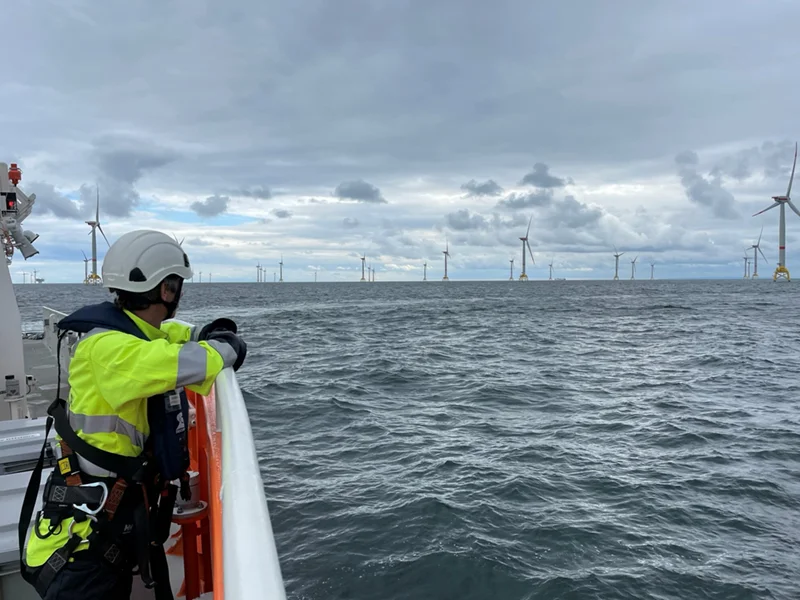
Long-term commitments can increase investor and supply chain confidence and enable them to invest wisely. The Strategic Investment Model, commissioned by the Scottish Offshore Wind Energy Council, facilitates a shared view of infrastructure upgrade needs and structured collaboration. This has helped unlock 38 projects and £6.5bn towards achieving 11GW. A similar approach could be used in the development of grid infrastructure to realise the potential for industrial growth and jobs.

The pace of the energy transition is heavily influenced by the pace of public acceptance, so we need to do more to bring communities with us. Community engagement is enabling local voices to shape every stage of The Great Grid Upgrade. The Project 13 delivery model fosters a culture of continuous improvement to deliver better outcomes. This approach is helping to deliver a legacy of regeneration, skills development, and environmental betterment at scale, while meeting the technical and operational objectives of the project.
Additional insights
Alongside the benefits to UK growth, we hope our insights on the interfaces between policy, finance, technical design, supply chain, environment and community will help others to unlock the benefits of the energy transition.