European cities are facing a growing set of pressures, with needs ranging from increasing the provision of affordable and high-quality housing, to improved placemaking and lowering citywide CO2 emissions, all while remaining competitive, inclusive and thriving places. Scaling brownfield urban regeneration has the potential to address these converging challenges.
Imaginative use of underused brownfield sites drives a range of positive outcomes, including bringing a wider range of people closer to jobs, retail, leisure, education and health services. It can reduce the need for additional energy and transport infrastructure, keeping costs down and lowering overall emissions. It helps all ages and wealth groups to participate in city life. Yet, this cannot happen without robust, long-term collaboration with investors, developers, governments, and residents.
A blueprint for action
This new report has a wealth of insights for those keen to adopt the brownfield-first agenda. We explore the changes in approach needed to overcome the complexities of de-risking regeneration projects, ensuring they deliver positive outcomes for all. With access to ‘patient capital’ we believe confidence around investment timelines and risks will only grow. For developers, this is an opportunity to move from ‘builder’ to ‘placemaker’ with benefits in the scale of impact and stronger relevance of schemes. There are new forms of collaboration between cities, investors, developers and communities to adopt, building on a shared vision for what can be achieved.
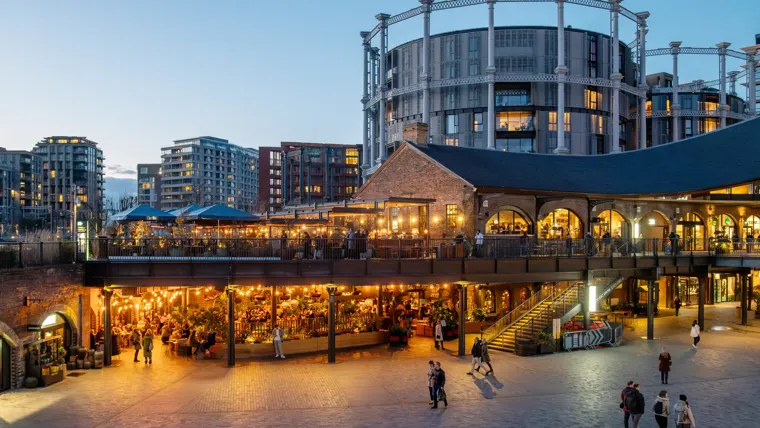
The report also profiles some impactful examples of brownfield regeneration drawn from cities across Europe – programmes that combine innovations in thinking, funding and implementation – ones that can inspire cities to adopt an ambitious approach to urban regeneration. Informed by extensive research and stakeholder engagement, this report presents a roadmap, a source of principles and pragmatic actions for cities that want to expand and accelerate their renewal of brownfield sites, to address the issues their populations face.