
Arup advances artificial reef initiatives to enhance marine biodiversity in Hong Kong
Artificial reefs are playing an increasingly important role in enhancing marine ecosystems and supporting sustainable fisheries.
Last updated: 15th April 2026
In Hong Kong, carefully designed artificial reefs are emerging as an important nature-based solution, rebuilding ecological complexity beneath the sea surface and providing vital habitats that enable marine species to recover and thrive.
Arup has been supporting the design and deployment of artificial reefs in Hong Kong waters, contributing to initiatives that enhance marine biodiversity while strengthening local fisheries.
According to the Agriculture, Fisheries and Conservation Department, more than 600 units of artificial reefs, with a total volume of approximately 180,000 cubic metres, have been deployed in suitable locations across Hong Kong waters, including marine parks, important fish spawning and nursery grounds and fish culture zones.
Enhancing biodiversity at The Brothers Marine Park
Arup supported the design and deployment of artificial reefs at The Brothers Marine Park, which covers around 970 hectares of waters north of Lantau Island.
Particularly within the designated Core Area—where fishing activities are prohibited—the artificial reefs help provide maximum ecological protection and allow marine communities to recover and thrive. These artificial reefs were designed to increase both biodiversity and fish abundance, while supporting the broader marine ecosystem.
Based on site conditions and marine ecological baseline studies, Arup developed two types of artificial reefs. Type I reefs combine concrete modules, oyster baskets, and reef cylinders to create a highly diverse marine habitat. The rough, textured concrete surfaces promote rapid colonisation by marine organisms, whilst the oyster baskets add structural complexity and extensive surfaces for sessile species such as hydroids, soft corals, anemones and jellyfish. Reef cylinders complement these elements by providing sheltered refuges for adult fish.
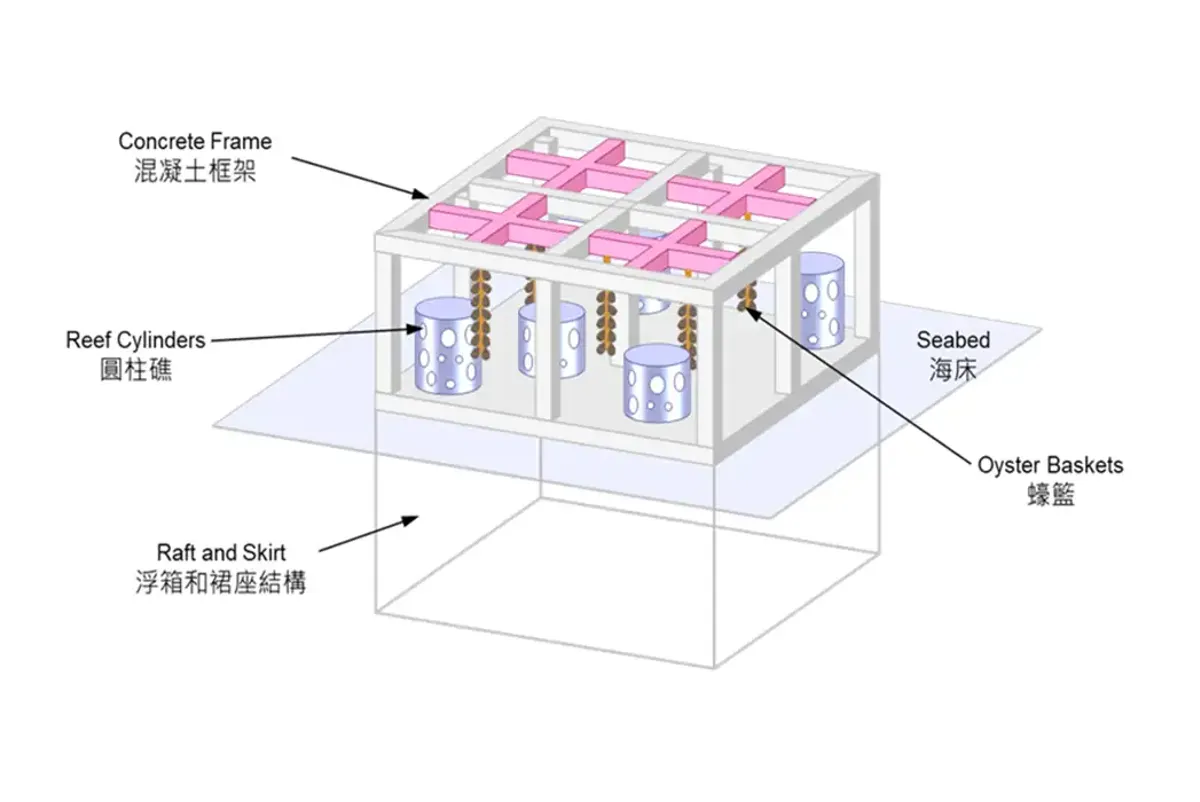
Design of artificial reef type I
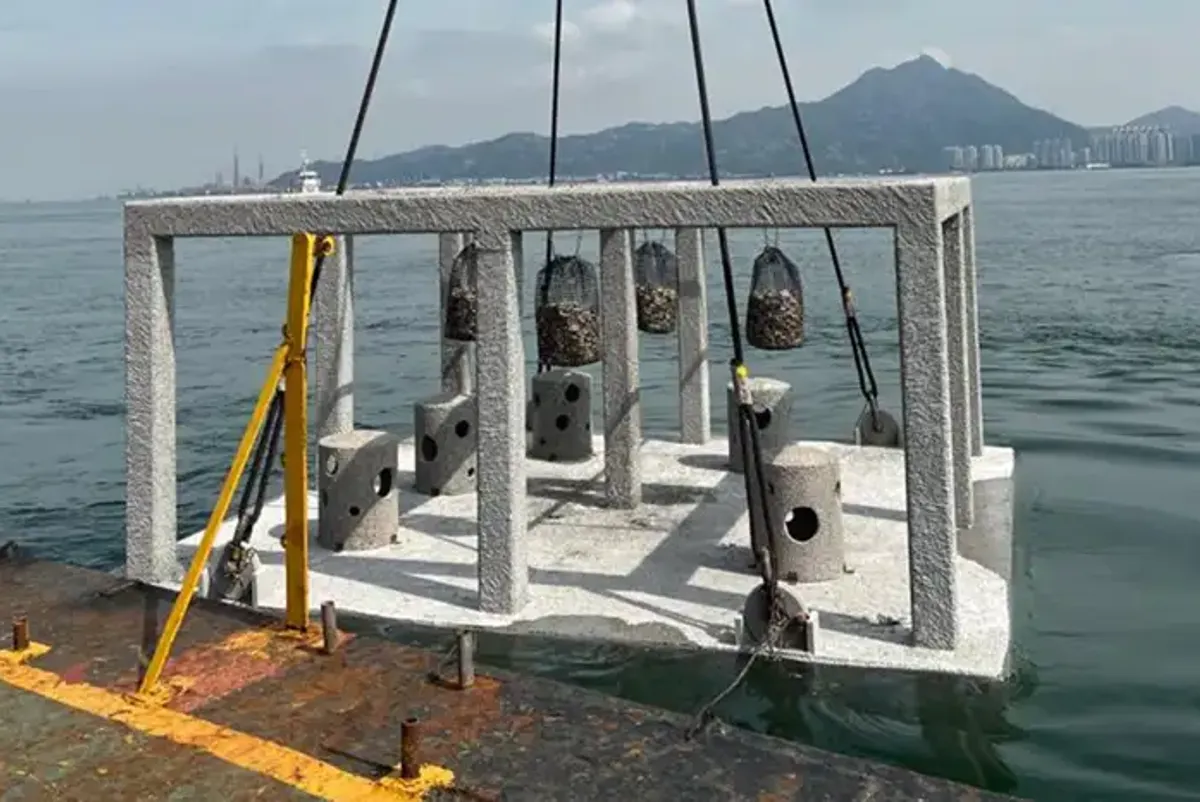
Artificial reef type I
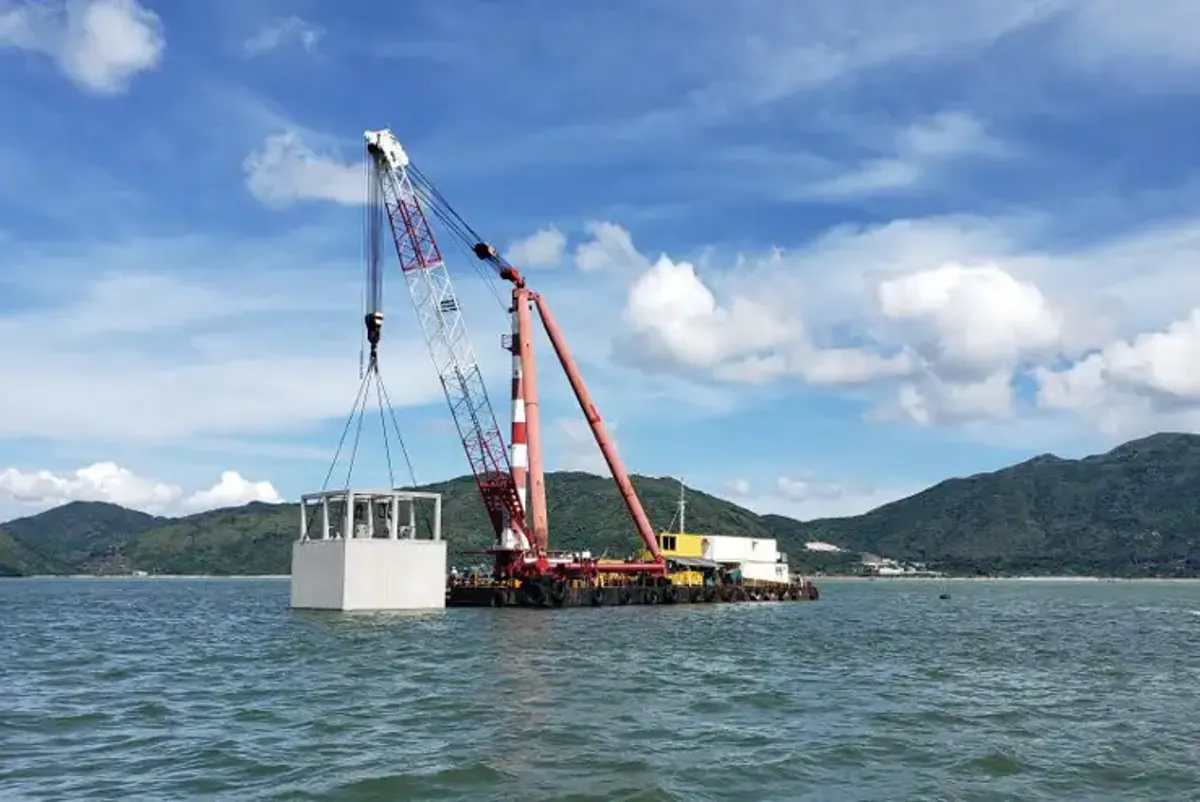
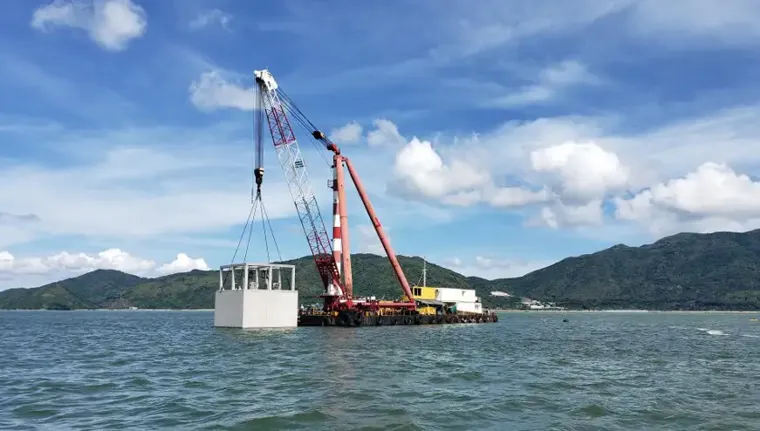
Deployment of artificial reef by crane barge
Type II reefs comprise gabion baskets filled with quarry rocks. These structures provide extensive hard surfaces that support colonisation by benthic species and create suitable environments for spawning and nursery grounds for juvenile fish and other marine organisms.
Arup designed innovative raft and skirt foundations for these artificial reefs, and this negates the need of expensive ground treatment in the soft seabed. Following deployment, post-deployment surveys were carried out to monitor ecological development and assess the reefs’ long-term biodiversity benefits.
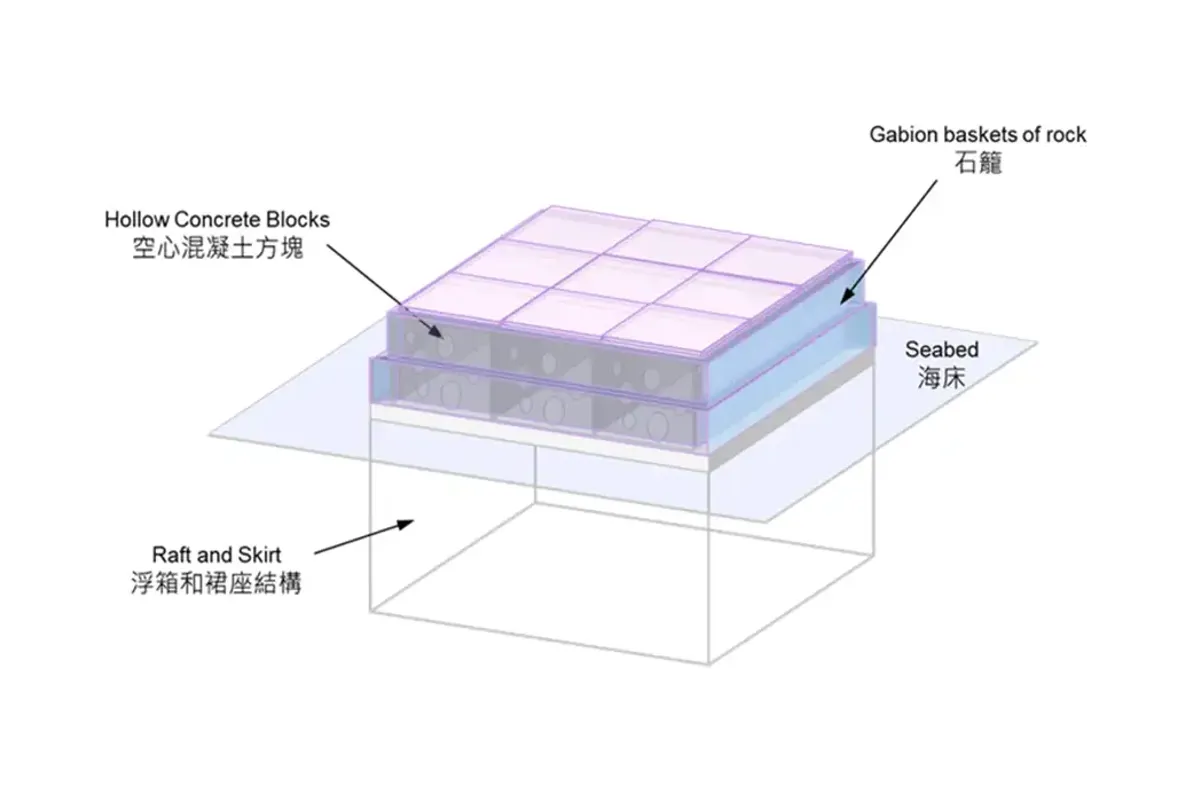
Design of artificial reef type II
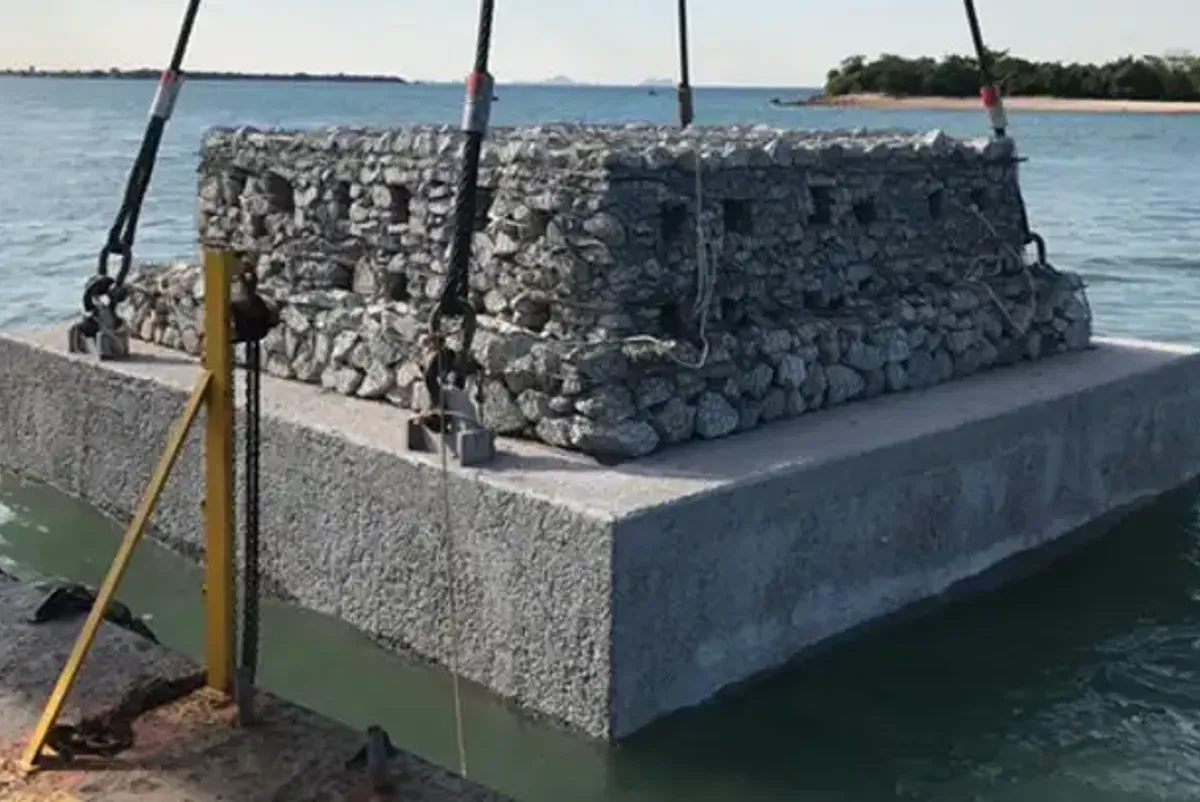
Artificial reef type II
Supporting marine enhancement of Hong Kong’s western waters
In Hong Kong’s western waters, Arup has worked closely with contractor and the Airport Authority Hong Kong (AAHK) in designing compact versions of artificial reefs to enhance marine ecology and fisheries. A total of 500 artificial reef units were deployed on the seabed west of the Hong Kong International Airport's Centre Runway. The structures were designed to simulate the complexity of natural coral reefs and create habitats capable of supporting diverse marine life.
The artificial reefs are made from concrete modules with rough surfaces and openings of various sizes. These design features allow different species of fish to swim through the structures while providing shelters and feeding grounds.
To further strengthen marine enhancement efforts, AAHK released 60,000 fish fry in 2025 in waters west of the airport’s Centre and South runways where the artificial reefs were installed, marking the authority’s largest fish fry release to date. The initiative aims to support the recovery of local fish populations while promoting long-term ecosystem resilience.
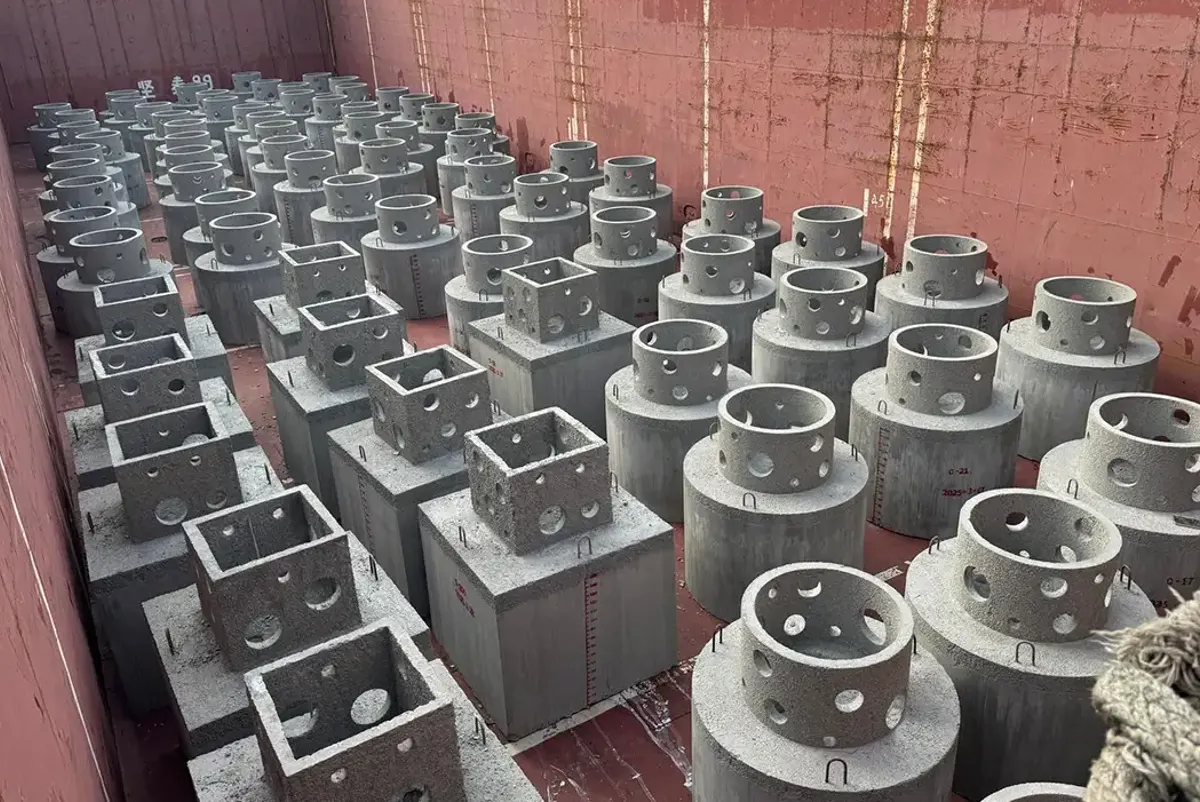
Artificial reefs made from concrete modules
Advancing marine ecology through engineering innovation
Artificial reefs demonstrate how engineering and ecological science can work together to restore and strengthen marine ecosystems. Through careful design, scientific monitoring and industry collaboration, these structures help rebuild habitats that support biodiversity while sustaining local fisheries.
Arup brings together expertise in marine structure engineering, marine ecology and fishery and environmental assessment to deliver innovative ecological enhancement solutions. From reef design to post-deployment monitoring, the firm’s multidisciplinary approach ensures that each project contributes meaningfully to habitat restoration and long-term marine ecosystem health.
Arup acknowledges collaboration with the following parties in realising these nature-based solutions:
-
The Brothers Marine Park: Highways Department, Agriculture, Fisheries and Conservation Department, UDL-Tonic Joint Venture and ERM Hong Kong, Limited.
-
Hong Kong International Airport: Airport Authority Hong Kong and UDL Joint Venture.
Projects
Explore more maritime projects

Designing resilient and outcome-focused infrastructure for Betio Port
Betio Port Masterplan Study, Kiribati

Designing resilient, low-carbon ferry infrastructure for Perth
Ferry Service Expansion, Australia

Shaping Western Australia’s future container port and supply chain
Westport Program Stage 2 and 3, Australia

Realising the ambitions of Europe's busiest ferry terminal
Port of Dover 2050 Masterplan Framework, United Kingdom
Learn more about Arup
A global consultancy shaping infrastructure, buildings, energy and sustainability for the built environment.
