
Arup develops nationally significant evidence base to shape the future of the Fens
The reports form a core part of the wider Fens 2100+ programme, a multi-partner initiative developing a long-term, adaptive investment strategy for managing flooding across the Fens.
Last updated: 14th April 2026
Arup has supported the Environment Agency and partners on the development of the Fens 2100+ Baseline Reports and Case for Change, which have recently been launched to the public. Together, the reports outline the evidence base and strategic direction required to protect one of England’s most economically and environmentally important landscapes from increasing flood risk.
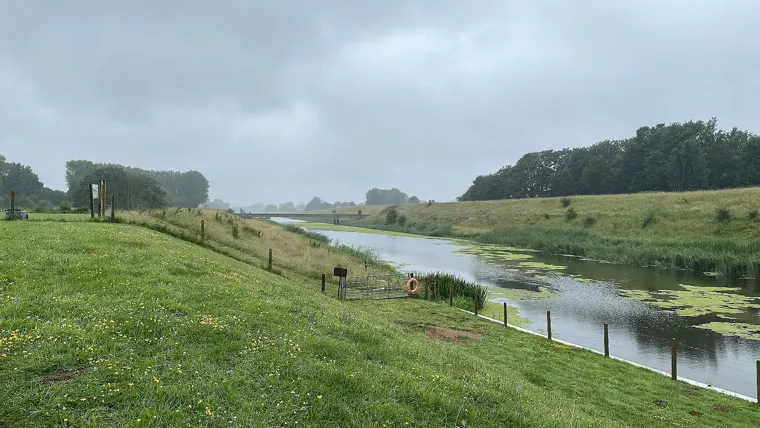
The Fens are a critical regional and national asset. Spanning Cambridgeshire, Lincolnshire, and Norfolk, the area relies on an extensive network of 17,000 flood and water-level management assets, many of which are beyond their original design lifespan and under increasing pressure from climate change.
Home to 370,000 hectares of agricultural land and responsible for over one third of England’s fresh vegetable production, the Fens contains 48% of all Grade 1 agricultural land in England and supports over 80,000 jobs. However, 87% of the region lies 3.9m below sea level (AOD), leaving many of its nearly 600,000 residents exposed to river and coastal flooding. As climate pressures increase and infrastructure continues to age, coordinated, long-term action will be essential to safeguard food production, communities and critical infrastructure.
The Fens 2100+ Baseline Reports provide the first consistent, whole-Fens understanding of flood risk across the region, drawing together evidence on flood and water management assets, economic value, carbon and nature. The analysis shows the Fens delivers around £500 million a year in natural capital benefits, while underpinning a much larger long-term value base, with evidence indicating that over £60 billion of value is supported over the next century.
Building on this evidence, the Case for Change underscores why existing approaches are no longer sufficient. The report highlights the need for a whole-Fens, system wide approach to investment and decision making and early, coordinated action to address aging flood and water assets. It also sets out the importance of long-term funding solutions, including green finance and new investment models, and the need for greater integration of carbon, natural capital and environmental outcomes into future plans.
As the only place-based programme in England with a dedicated measure in the National Flood and Coastal Erosion Risk Management Strategy, the Fens 2100+ is a nationally significant strategy recognising the Fens’ importance to the UK’s economy and food security.
Arup’s involvement in the programme spans strategy development and baseline evidence, including economic and natural capital assessment, carbon insights, digital and GIS tools, and programme facilitation to support alignment across the partnership.
Jennifer Laight, Associate Director at Arup, commented: “Through these reports we’ve helped bring together a consistent, whole-Fens evidence base that allows partners to look beyond individual catchments. Understanding how the system operates as a whole will enable more informed decisions that will allow the Fens to adapt to increasing climate pressures over the long-term.
“Bringing this evidence together is crucial, and the decisions taken now will shape how well communities, infrastructure and agriculture are protected in the future.”
Water at Arup
We work across the entire water cycle, with utilities, local and regional governments, commercial and domestic water users and other partners.
Related news
Explore more water news
Harnessing digital twin technology to address plastic waste in Philippines Pasig River
24th June 2025

Arup selected to conduct Rhode Island Coastal Resilience Study
29th May 2025

Arup selected to implement public infrastructure projects for a more resilient and vibrant Providence Riverwalk
13th November 2024

Arup partners with County of Sonoma to launch onsite wastewater treatment system information hub
9th October 2024

Learn more about Arup
A global consultancy shaping infrastructure, buildings, energy and sustainability for the built environment.
