
A new standard for measuring circularity in the built environment
Adapteo Circularity Index
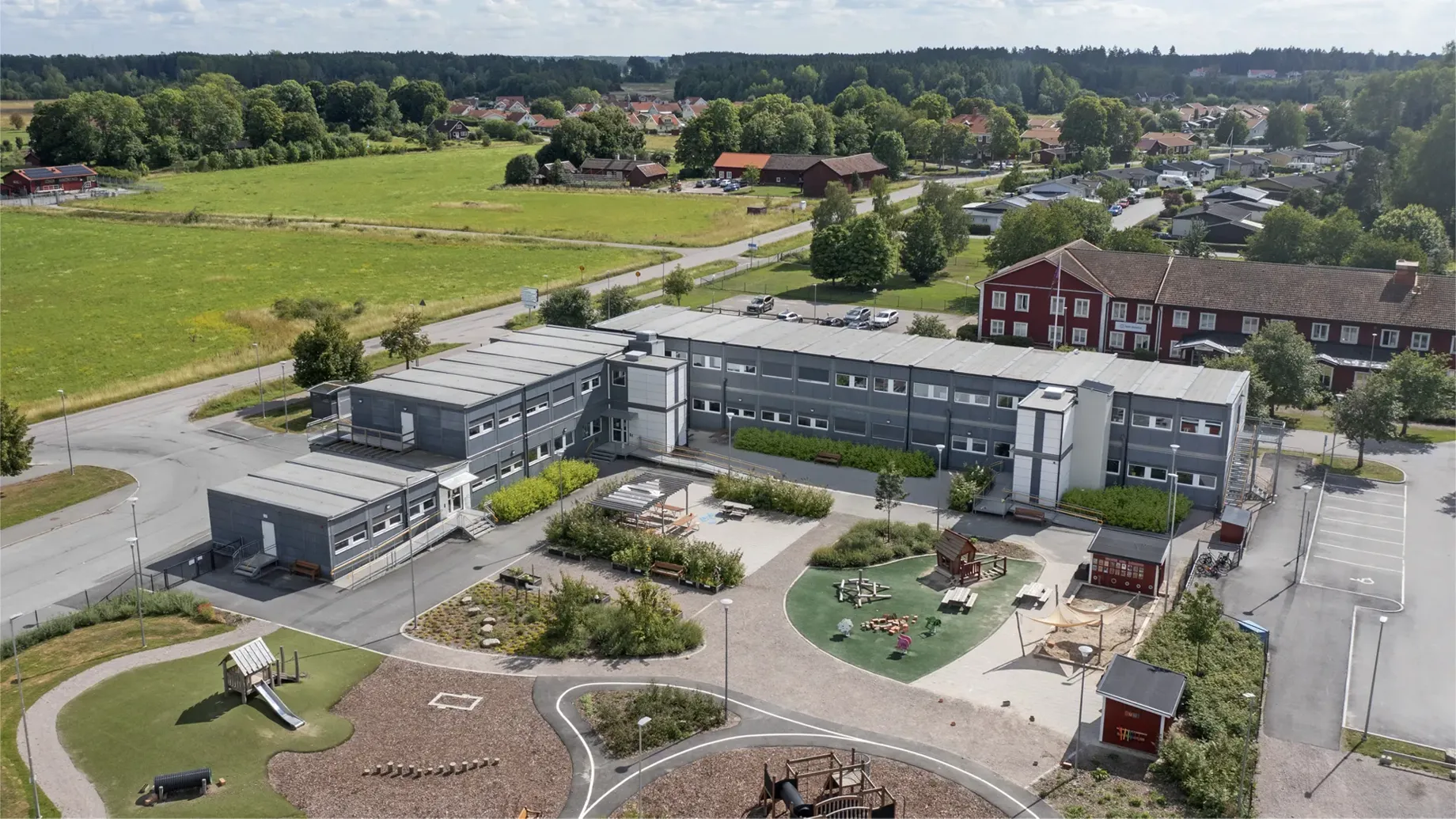
Modular space provider Adapteo sought a robust framework to quantify circular performance, comply with evolving sustainability regulations and demonstrate progress. The goal was to support the Nordic-based company’s growth objectives while moving towards climate-neutral and resource-efficient operations, using a structured framework for measuring and improving circularity performance.
Drawing on our expertise in sustainability, data modelling and stakeholder engagement, Arup worked with Adapteo to develop the Circularity Index - a tool for measuring and reporting circular performance in modular construction and supporting wider climate action across the construction sector. We also issued an assessment and recommendations report, provided technical and strategic guidance and delivered training and engagement activities to embed the Index across Adapteo.
Although the industry has made progress in reducing, reusing and recycling, the built environment has long lacked a reliable way to measure circularity. This gap has hindered organisations like Adapteo in tracking and improving performance, limiting opportunities to enhance resource efficiency, contribute to broader sustainability objectives and demonstrate value. This lack of measurability is a fundamental barrier to investment and is reflected in the fact that only a small share of global capital currently flows into circular business models.
The Index aims to address these challenges and has been designed to align with the EU’s Corporate Sustainability Reporting Directive (CSRD) and the EU Level(s) taxonomy, representing measurable progress towards a low-carbon, resource-efficient built environment. Furthermore, the Index has been critically reviewed by RISE, Research Institutes of Sweden.
Measuring and tracking circularity
The Circularity Index is a practical, repeatable way to understand and improve circular performance. At its core is a framework that gauges progress across three complementary perspectives – how assets are deployed, how materials flow through the system and how products are designed – to show where progress is being made and where opportunities remain. By translating these elements into clear, comparable metrics, the Index can help organisations align supply chain choices with sustainability ambitions and emerging regulatory expectations, while remaining flexible enough to adapt as standards evolve.
Beyond measurement, the Index acts as a decision-making tool: revealing strengths, highlighting risks and pinpointing where targeted improvements will make the greatest impact at both product and organisational level. For Adapteo, the first full assessment by Arup showed that 68% of deployment demand in 2024 was met through circular sources – establishing a strong foundation to build on and signalling where the next phase of progress can be unlocked.
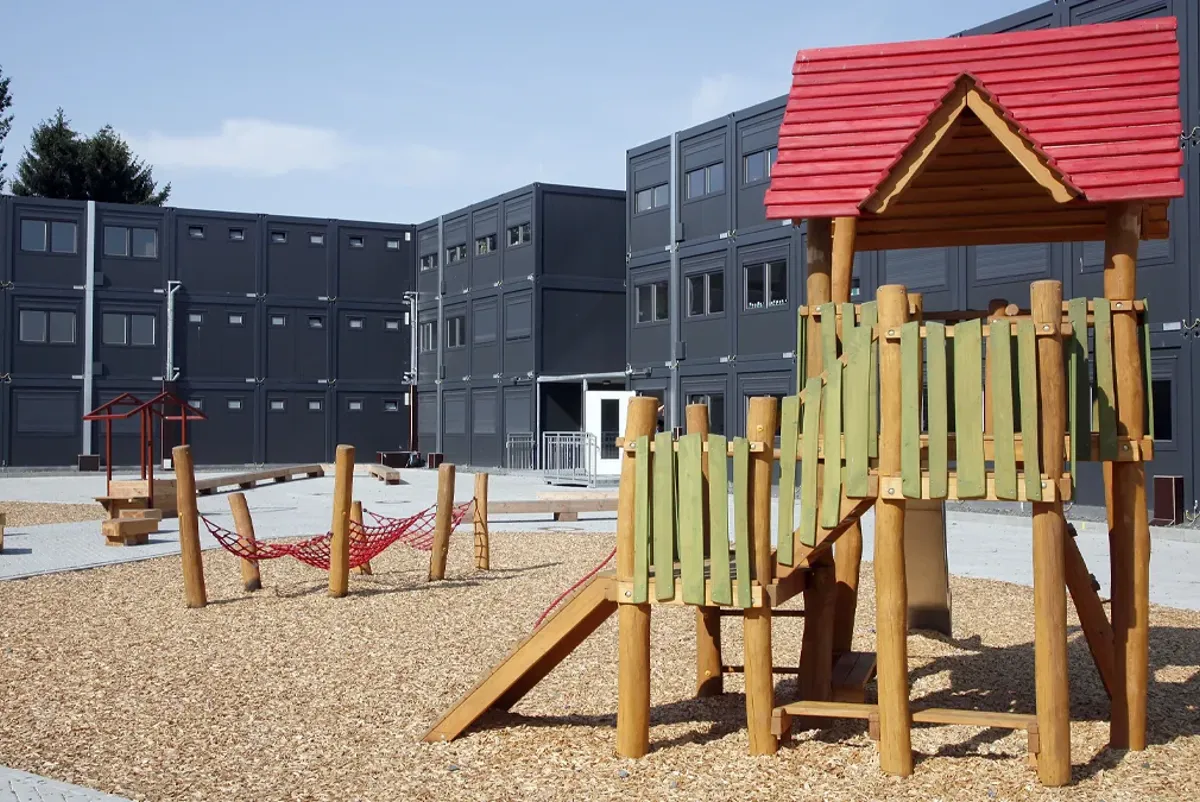
Outdoor playground at a modular school featuring redeployable units to support community needs while reducing environmental impact.
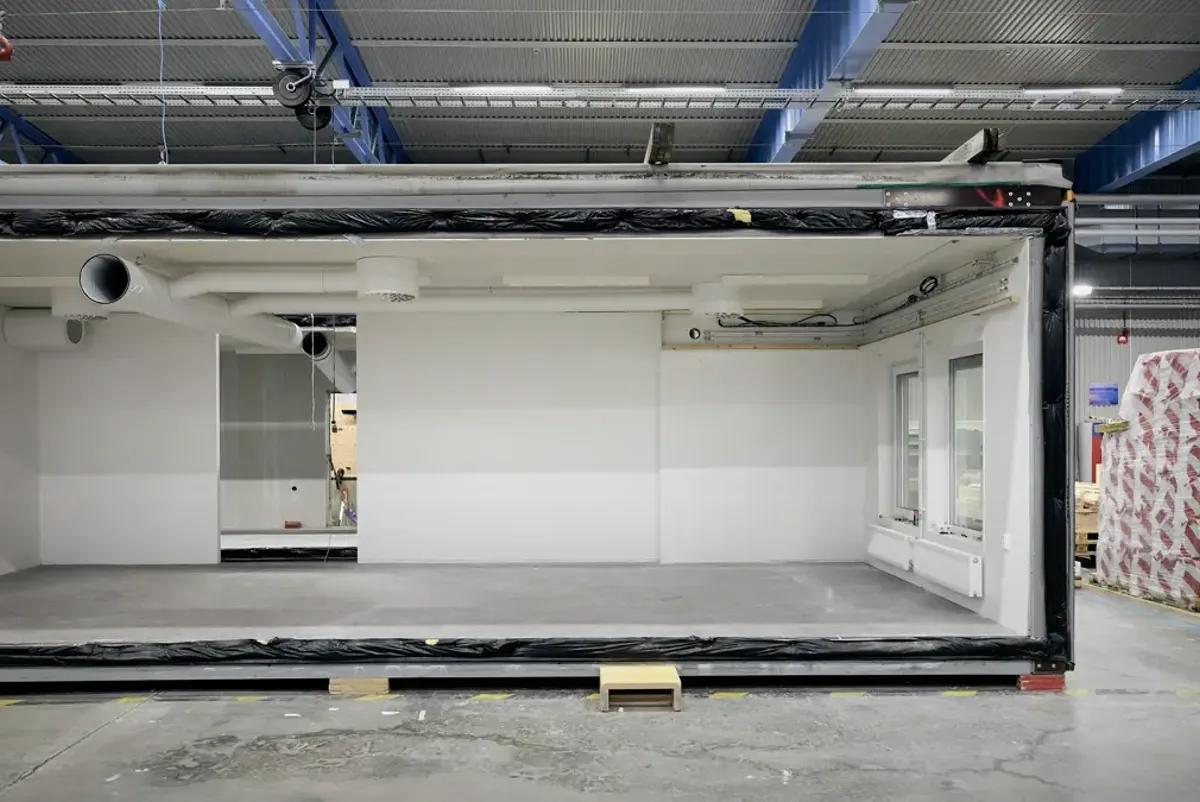
A modular unit prepared for future deployment, demonstrating Adapteo’s circular approach to extending asset life.
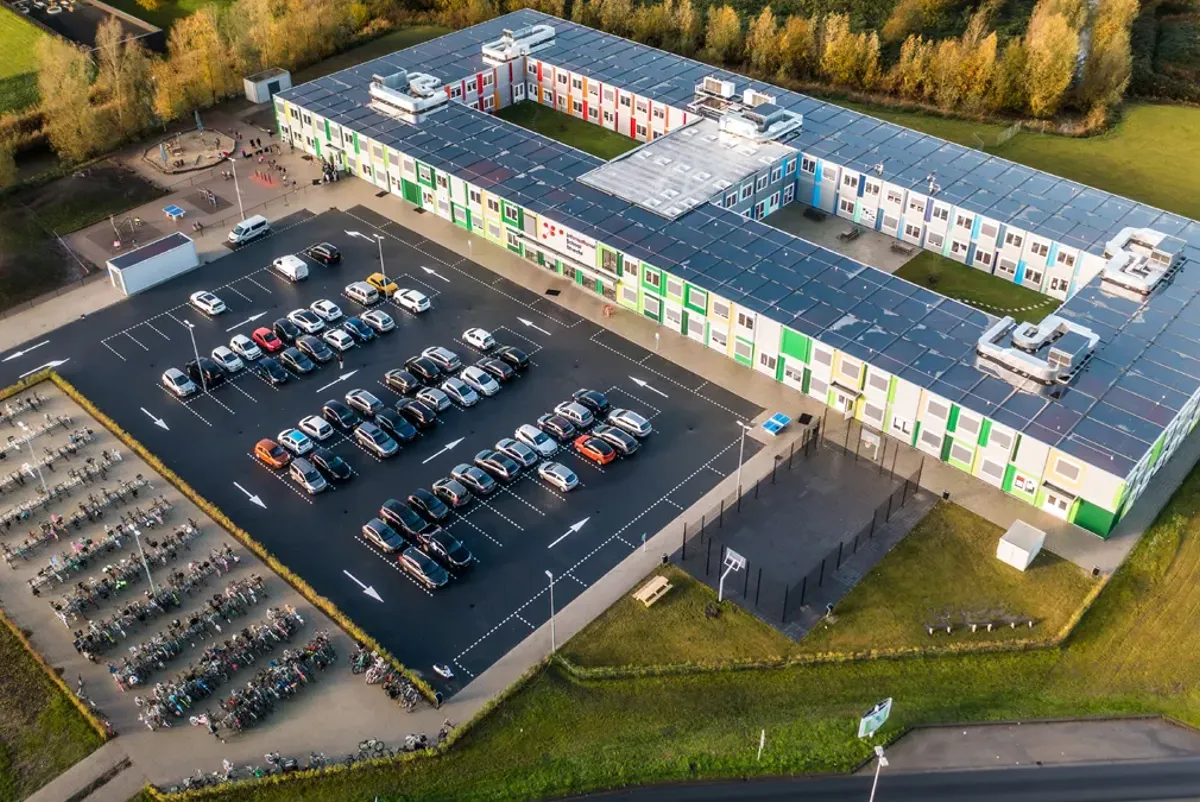
A large scale modular complex in the Netherlands demonstrating how circular deployment and adaptable design reduce carbon and resource use.
Identifying and prioritising circular opportunities in construction and operations
Our assessment of Adapteo’s operations revealed a clear pathway for strengthening circularity across the business. Rather than treating opportunities as isolated initiatives, we organised them into strategic themes – extending long‑term value, improving the efficiency of modular building processes and making more responsible, future‑ready material choices to strengthen circularity and resource efficiency across construction processes, including considerations around materials, carbon and water.
Guided by insights from the Circularity Index, we shaped a practical roadmap that balances immediate gains with longer‑term transformation, from rapid improvements in storage practices and enhanced digital tracking, to deeper shifts in manufacturing methods, procurement approaches and material strategy.
Throughout the collaboration, circular design principles became a central thread in evolving Adapteo’s modular solutions. This included advancing design for disassembly, increasing standardisation and broadening the use of secondary and bio‑based materials, measures that extend asset life, reduce waste and enable faster, lower‑impact refurbishment and redeployment. These approaches also help design engineers make more sustainable choices across the wide-ranging stages of modular development.
By embedding the Index into internal systems and everyday decision‑making, Adapteo is strengthening stakeholder confidence and creating a more consistent, data‑driven foundation for future design and procurement choices.
Our Space-as-a-Service model is built on circular principles, but until now we had no way to measure our impact. Developed with Arup through a truly collaborative process, this tool not only tells us where we stand today, it charts the course for where we want to go, guiding our journey to increase Adapteo’s circularity and, hopefully, inspiring our whole sector to raise the bar for circular performance in the built environment.
Projects
Explore more circular economy projects

Improving water security and sanitation for millions in urban India
Australia-India Water Security Initiative (AIWASI), India

Innovation consulting for circular business models
Terca facing bricks from wienerberger, Germany

Urban regeneration and net zero goals realised in a new innovation district for Milan
MIND Milano Innovation District, Italy

Optimising road design on Ireland’s journey to net zero
TII Analytic Pavement Design Method, Ireland
Get in touch with us
If you'd like to speak to one of our climate experts about any of the issues raised on this page or a potential collaboration then please get in touch by completing the form.
