
Strategy for innovation districts in Amsterdam: a roadmap for implementation
Amsterdam Innovation Districts
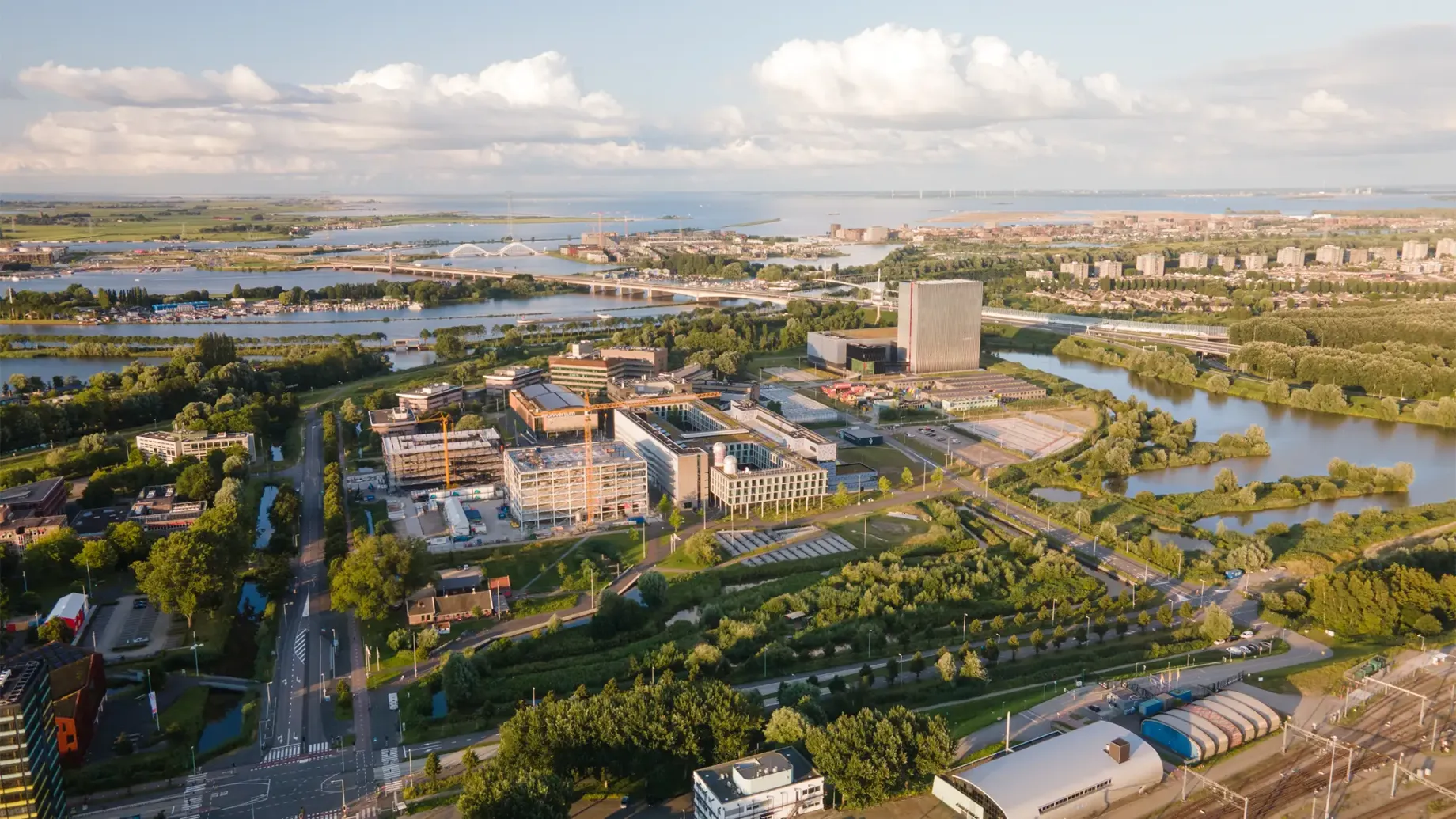
In 2024, the City of Amsterdam faced a pivotal challenge: how to turn its ambitious Innovation Districts Strategy into tangible, coordinated action across nine distinct urban areas, each with unique strengths and stakeholders. The city needed a way to align priorities, foster collaboration, and move from vision to execution.
Our team of strategists were invited to bridge strategy and execution, bringing clarity, structure and momentum to the city’s innovation ambitions. We worked closely with the municipality’s Economic Department to:
- Facilitate sessions with stakeholders from across the districts.
- Define and prioritise concrete actions.
- Draft a roadmap for implementation.
- Design governance models to ensure coordination across districts.
We also clustered the nine districts into three broader innovation ecosystems – AI, Life Sciences, and Urban Sustainability – each with its own growth path while remaining connected to Amsterdam’s wider innovation goals.
This strategy is crucial for Amsterdam’s future as a knowledge-driven city. It aligns spatial planning with innovation ecosystems, fosters collaboration between academia, industry, and government, and ensures inclusive development. By structuring governance and measuring impact, the city can attract investment, support startups, and create vibrant, sustainable districts that benefit both local communities and the broader economy
Turning a vision into actionable steps
Nine areas form the foundation of Amsterdam’s innovation ecosystem, each playing a distinct role in driving research, business, and talent. From the AI-driven Amsterdam Science Park and the health-focused Life Sciences District to knowledge hubs such as the Kenniskwartier Zuidas, Amstelcampus & Knowledge Mile, Roeterseiland Campus, and the Universiteitskwartier, as well as transformation sites like Nieuwe Meer/De Plantijn and the waterfront Marineterrein.
Our work built on the city’s existing Innovation Districts Strategy and added a layer of actionability. The study combined literature review, interviews with universities and hospitals, and our expertise and experience from similar projects worldwide.
Given the study’s scope, market parties were not included at this stage. Instead, the focus was on establishing common ground among public and knowledge-sector stakeholders. This foundation resulted in clear, prioritised actions and a high-level roadmap that will guide cooperation agreements with triple helix partners across the districts.
By aligning spatial planning with innovation ecosystems, structuring governance, and proposing impact measurement frameworks, Amsterdam can now attract investments, support startups, and create vibrant, sustainable districts that benefit local communities and support the local and national economy.

We delivered a clear roadmap for action across nine districts in Amsterdam.
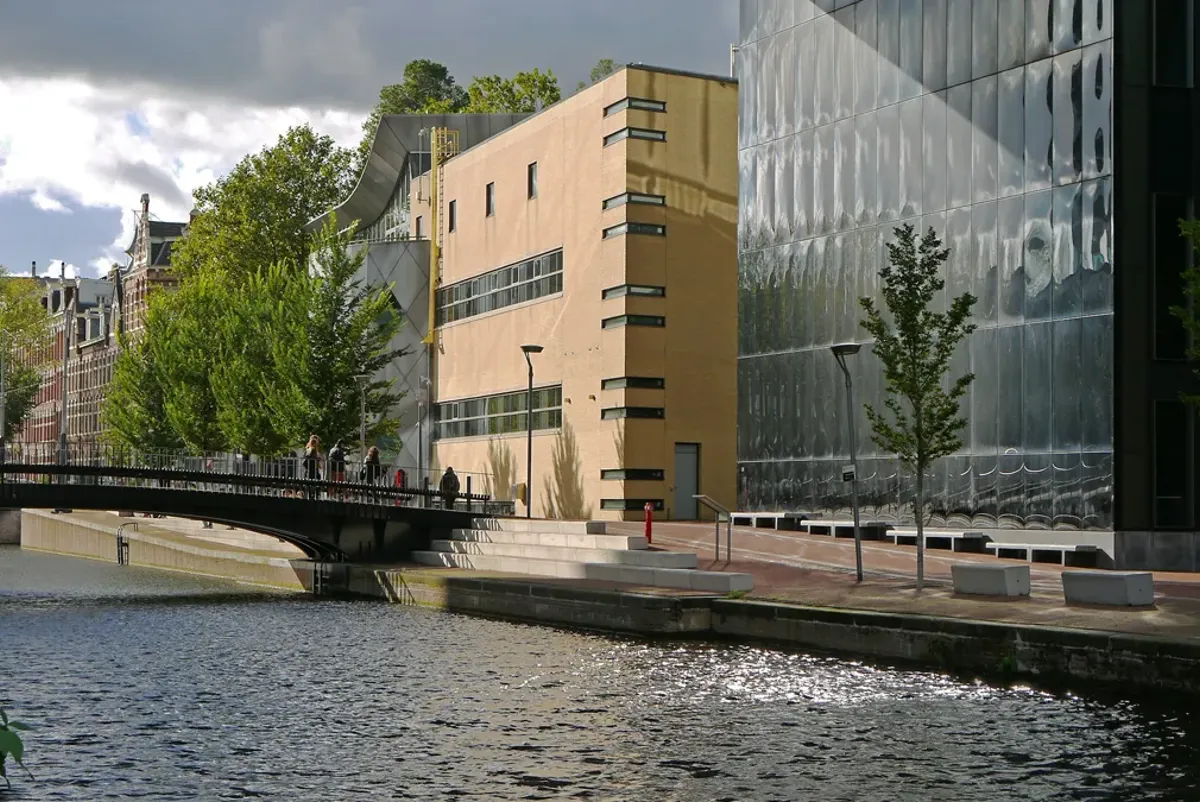
Aligning planning with innovation enables Amsterdam to attract investment, support startups, and build vibrant, sustainable districts.
Municipality of Amsterdam / UvA / VU / Hogeschool van Amsterdam / Sanquin / AMS Institute / AUMC
Projects
Explore more cities projects

Shaping a sustainable, inclusive and thriving future for Agadir, Morocco
Agadir Green City Action Plan, Morocco

Masterplanning Adelaide’s new inner-city neighbourhood
Thebarton Masterplan, Australia

Delivering a sustainable city within a city
Kai Tak development, Hong Kong

Redefining Japan’s future airport city
Narita Airport City, Japan
Get in touch with us
If you'd like to speak to one of our cities experts about any of the issues raised on this page, or a potential collaboration, then please get in touch.
