
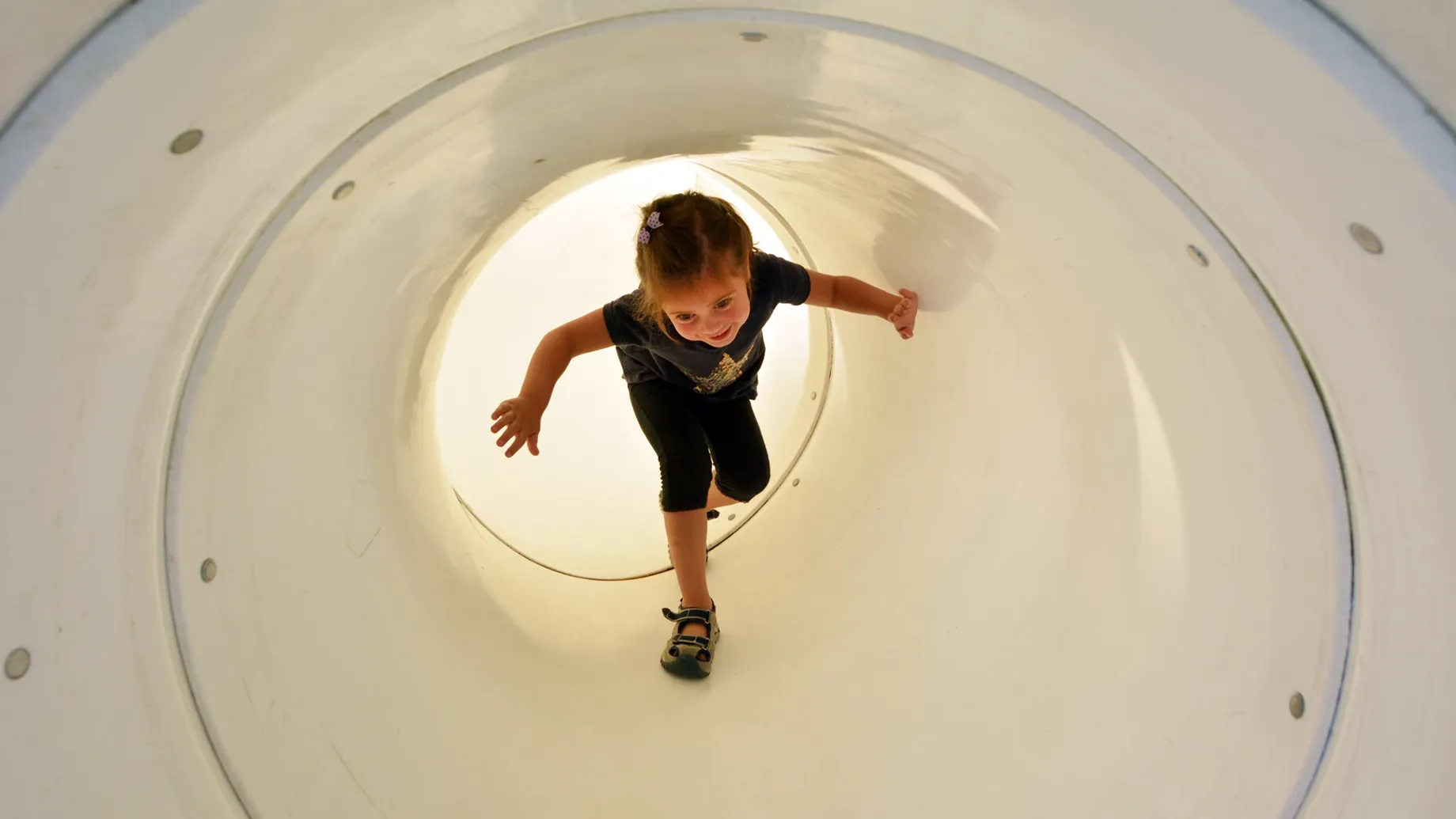
Sport New Zealand ihi Aotearoa (Sport NZ) has an ambition to make Aotearoa New Zealand the best country in the world to raise a child. They wanted to develop a programme that creates playful and physically active environments for children, connecting children to play opportunities and schools, while promoting lifelong physical activity and health.
We have been working with Sport NZ to advance a leading play system since early 2020. Together, we developed the Neighbourhood Play System (NPS) – an urban planning approach that centres on children’s voices to identify and address barriers to play, engaging communities and stakeholders to deliver interventions that respond to local wants and needs. The NPS approach helps local play advocates navigate barriers, build capability and secure operational buy-in across government agencies.
Supporting tamariki and rangitahi (children and young people) in Aotearoa New Zealand to be active involves more than just investing in sports – it requires creating neighbourhoods that offer daily opportunities for activity, risk taking and learning. Currently, tamariki and rangitahi have less playful upbringings compared to previous generations, reflecting global trends of reduced playtime and physical activity, with less space allocated for these activities, especially among groups facing inequity.
Helping New Zealand embrace child-centric design
The NPS is focused on a neighbourhood scale as these are the first places children experience independently. Working at this scale allows for active engagement with children and their families to understand their experience of place, and delivery of actions which can have a meaningful and immediate impact.
It uses a systems-based approach to bring together diverse community perspectives. This acknowledges the ecosystem in which neighbourhood-shaping decisions are made, driving coherence between decision makers and a shared buy-in for improved outcomes for children.
We undertook neighbourhood mapping exercises and reviewed existing strategic direction to help identify challenges and opportunities for play across the built and natural environment and transport network. Site visits helped assess accessibility, quality, natural and built hazards, traffic flow, child-friendliness and potential barriers to play.
Through a series of engagements – from surveys and drawing to site walks, and workshops – we gathered the perspectives of diverse stakeholders, including children and their whānau (family), school principals, council members and police, to discuss key barriers, successes, awareness and enjoyment of existing play opportunities in their local neighbourhoods.
From this engagement, we developed a locally-led action plan for neighbourhood change, focused on delivering outcomes that will impact the lives of tamariki and rangatahi in the short, medium and long term. This includes targeted recommendations across governance, transport, and the built, social and policy environments to empower local leadership, promote safe and independent active mobility, and strengthen the diversity, accessibility and relevance of play opportunities.
Scott Mackenzie, Manager, Play and Takaro at Sport NZ, said: “The collaboration with Arup has been instrumental in advancing the Neighbourhood Play System from concept to implementation. Arup’s global perspective and deep insights have helped strengthen and evolve the foundational ideas initially developed by Sport New Zealand. Together, our organisations have worked across all phases – scoping, prototyping, piloting, and now delivering a full programme of work. This partnership, built on innovation and complementary strengths, has enabled our partnering councils and Regional Sports Trusts to move from vision to real-time action.”
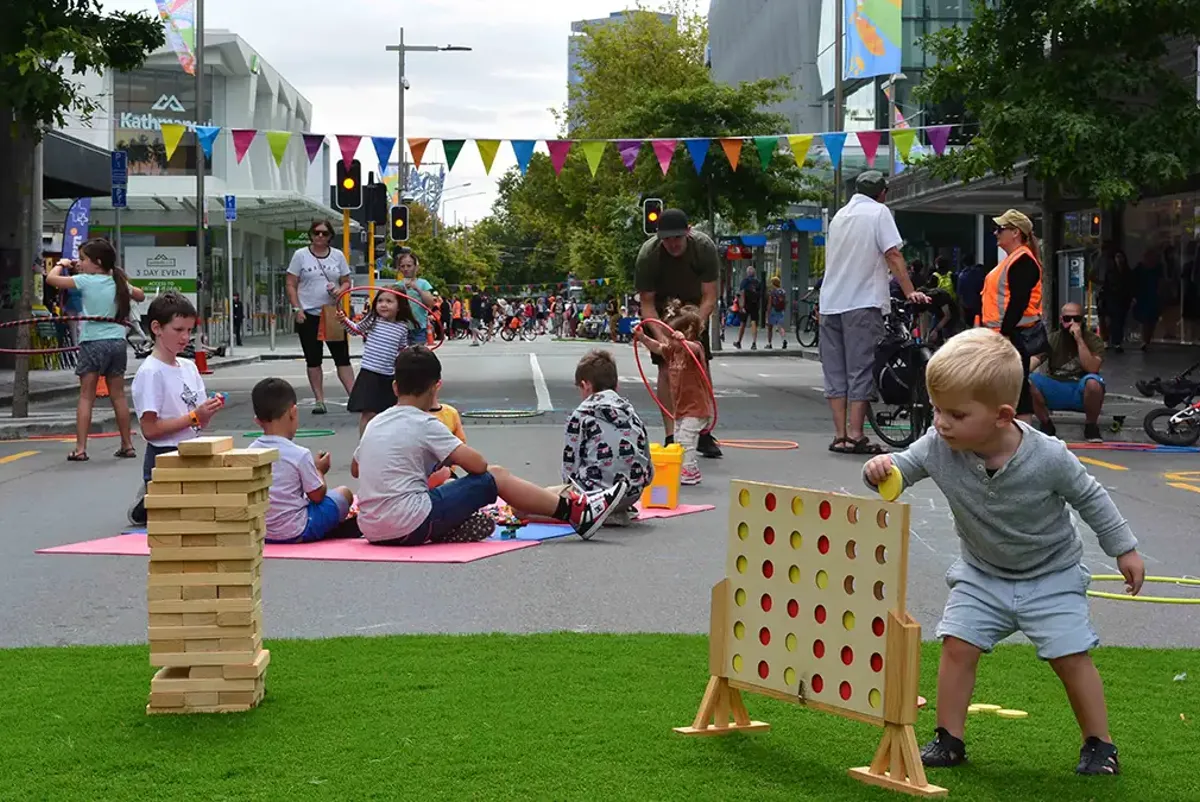
The NPS aims to make neighbourhoods more playful and accessible for children
With a clear focus across short, medium, and long-term horizons, this work is shaping the future of neighbourhood development, ensuring public spaces are purpose built to support play, wellbeing and the needs of future generations.
Building a network of child-centric design advocates
To truly embrace the opportunities of child-centric design, organisations need advocates embedded within them to influence decision making. In collaboration with Sport NZ, we created a dynamic learning and development programme for ‘Play Advocates’ – representatives embedded in local councils who advocate for the voice of tamariki.
The programme’s goal is to empower each Play Advocate with the skills and knowledge of the ways they can influence and grow the profile and delivery of diverse play opportunities, giving them the confidence and networks to drive change. This includes shaping local council strategies, policies, projects and local board decisions.
The programme has made a significant impact, especially in Auckland, where it benefits a large proportion of the country’s children. It’s also positively influencing regional areas like Gisborne, where the District Council’s play advocate, guided by our team’s technical advice, quickly mobilised local resources to develop a playground for a community affected by a cyclone.
Projects
Explore more masterplanning projects

Masterplanning Adelaide’s new inner-city neighbourhood
Thebarton Masterplan, Australia

Designing resilient and outcome-focused infrastructure for Betio Port
Betio Port Masterplan Study, Kiribati

Redefining Japan’s future airport city
Narita Airport City, Japan

Developing a master plan for regional regeneration in Victoria
Victorian Goldfields World Heritage Master Plan, Australia
Get in touch with us
If you'd like to speak to one of our masterplanning experts about any of the issues raised on this page or a potential collaboration then please get in touch by completing the form.
