
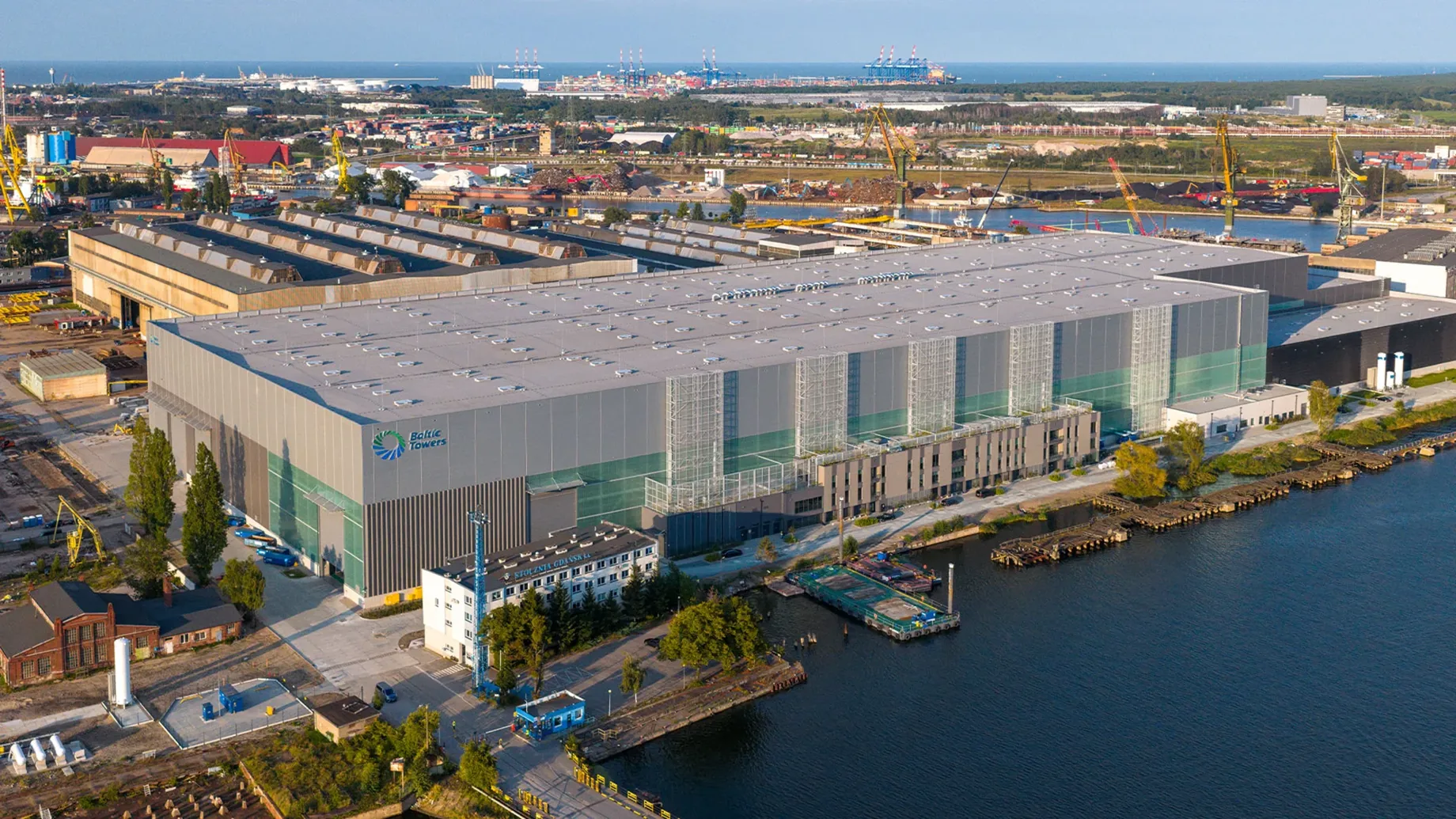
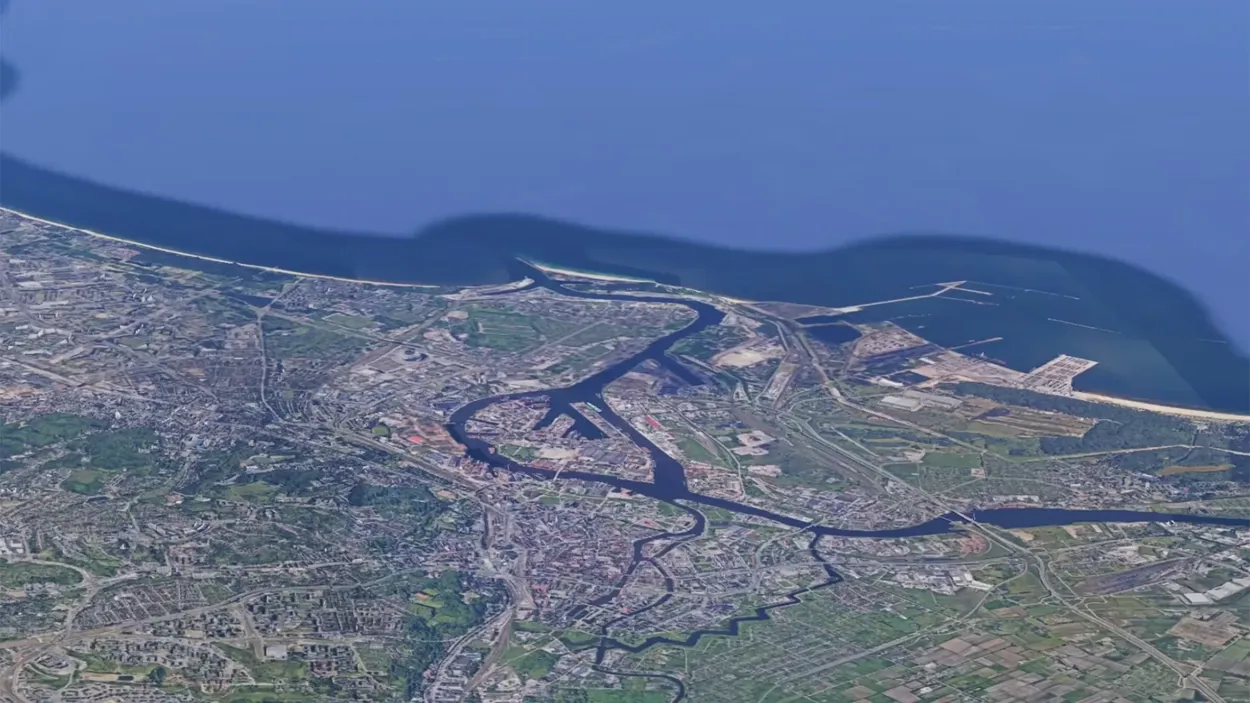
In Gdańsk’s historic shipyard district, a €200m investment is transforming Ostrów Island into Poland’s first major offshore wind tower production facility. Beyond delivering clean energy infrastructure, the project is giving new life to the local community – reviving a skilled workforce of welders, creating jobs and energising local businesses. It shows how major progress can go hand in hand with preserving heritage and supporting communities.
National industrial strategy made real
Baltic Towers is a significant pillar of Poland’s renewable energy strategy, making the country an influential player in Europe’s energy transition. Working with the funding partners, we evaluated and de-risked the €200m project in Gdańsk, adapting approaches from similar European sites and setting realistic timelines
and terms.
Collaborating in a complex network of advisers
As an independent adviser to the lenders, we were responsible for reviewing risks and benchmarking progress against other similar projects across Europe. Our team of over 20 experts across a wide range of engineering disciplines made quarterly site visits to identify and solve issues as they arose. With deep expertise in industrial planning and design across the world, we were able to support the lender as they coordinated a complex network of partners to bring the project to reality.
The construction of the Baltic Towers factory in Gdańsk is a breakthrough step for Poland’s offshore wind energy sector
Environmental and social advisory
Reducing the carbon footprint of renewable energy sites is essential. By sourcing 60% of its materials locally, the factory strengthens the national supply chain and cuts the need for imported offshore wind turbine towers as Poland moves towards low-carbon energy.
We reviewed several environmental mitigation measures to ensure none of the areas of permitting were omitted. We assessed the existing grievance mechanism for internal and external stakeholders and reviewed the potential impact evaluations. Finally, Arup during construction verified the proper implementation of the project taking into consideration national regulations and global best practices.
Reviving the Gdańsk shipyard and local economy
Ostrów Island is the original quayside of the old ‘Solidarity’ shipyard that became famous during Poland’s independence movement in the 20th century. The Baltic Towers factory has created new employment opportunities for more than 500 highly qualified employees across Gdańsk and the wider Tricity area, including bolt technicians, shot-blasting operators, welders, metallizers, machine operators, painters and many others. With new skills, the community thrived once again and public tours inspired by its ‘Solidarity’ heritage brought a renewed sense of pride to its people. The Baltic Tower facility, which is visible from the Solidarity Museum, is a new landmark for the historical Ostrów Island.
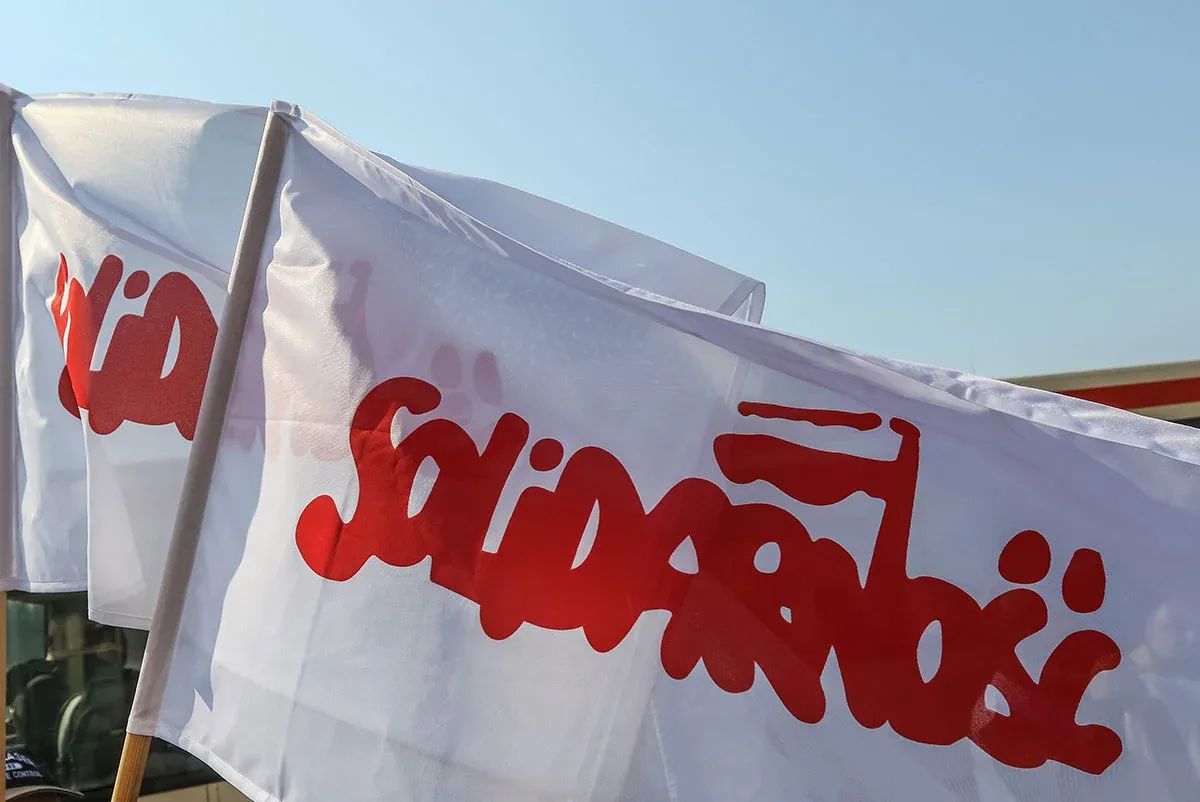
Ostrów Island was once part of the historic ‘Solidarity’ shipyard central to Poland’s independence movement
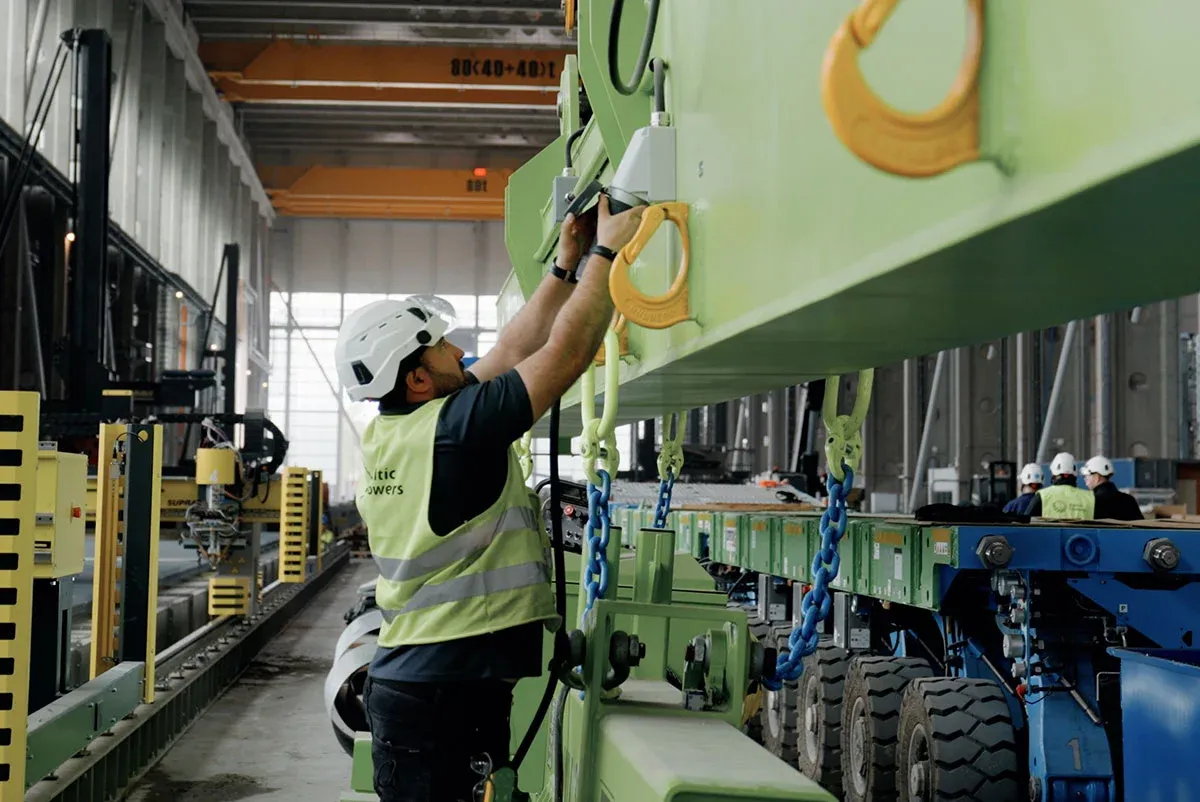
Inside the wind tower factory
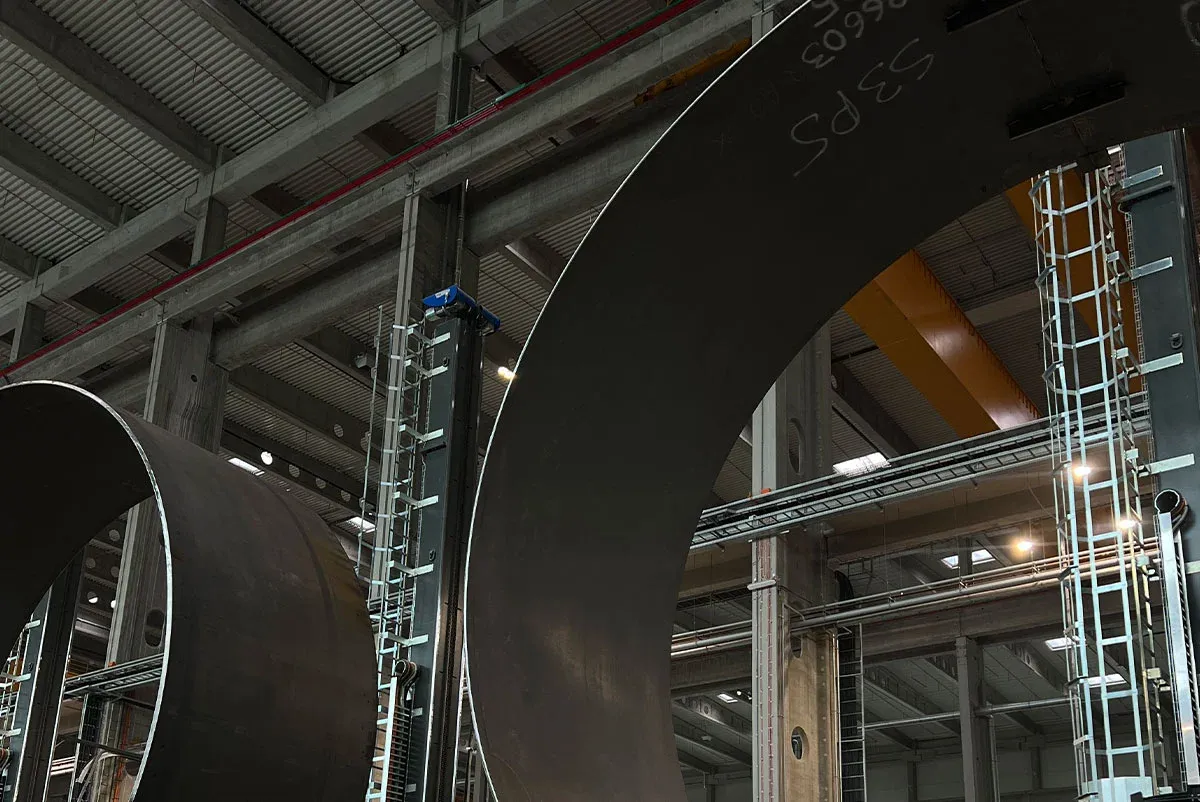
Steel plates are welded to form the tower’s cylindrical sections
A brighter future
This work has helped grow Poland’s renewables capability. But it has also grown our own expertise in offshore wind logistics. The lessons we learned in blending different safeguards and infrastructure techniques have shaped Arup’s global approach to green energy, giving us a deeper understanding of how to bring these critical new technologies to life.
500
jobs
Investment will contribute to the creation of 500 new specialised job positions
60
%
Materials sourced locally, strengthening the local supply chain
Projects
Explore more industry and manufacturing projects

Designing an advanced medical device manufacturing facility for health monitoring
Dexcom Trinity, Malaysia

Ensuring worker safety in Pakistan’s textile sector
Pakistan Accord on Health and Safety in the Textile and Garment Industry, Pakistan

Strategic project and program management for Tetra Pak’s global real estate
Tetra Pak project management partnership

Delivering integrated design for PepsiCo’s Green thermal energy transition
PepsiCo Volt, Netherlands
Get in touch with us
If you'd like to speak to one of our industry and manufacturing experts about any of the issues raised on this page or a potential collaboration then please get in touch by completing the form.
