
A data-driven approach to asset maintenance and renewals
Digital decision support tools for highways

Road network operators are responsible for managing and maintaining thousands of assets – including bridges, culverts, pavements and barriers. At some point, all these structures will need to be repaired, upgraded or replaced. But deciding when and where to undertake maintenance and renewals requires accurate data, technical expertise and an evidence-based understanding of the risks and costs.
We have helped highways operators including the Welsh Government, National Highways and Autostrade per l'Italia to assess, develop and assure digital decision support tools (DSTs) they can use to prioritise and streamline their renewals programmes. These tools also enable operators and asset managers to test different investment scenarios, or to determine how best to balance costs, risks and performance.
With a reliable, customised and accurate DST in place, operators can see the status of all their assets at a glance and take informed decisions with confidence.
Developing a DST to evaluate options for life extension
Developing a DST requires detailed technical knowledge of assets, engineering and digital systems. Our specialists support operators through the development process, collaborating with software houses and contractors. We developed the Department for Transport’s official DST for highways structures, SAVI, which launched in 2020. SAVI has since been adopted by over 30 local authorities throughout the UK and abroad.
Working with the Welsh Government, we have managed the process of tailoring SAVI to help identify the scale of the maintenance backlog and to shape a £700m+ Major Asset Renewal programme. As well as analysing and collating data for around 4,000 structures, we tested different scenarios to ensure that the tool’s outputs remain clear and easy-to-use. This ensured it showed exactly what funding is needed and why. Example scenarios included an increase or a drop in funding, changes in deterioration rates, and starting a programme of repairs earlier or later.
The Welsh Government’s structures team now has a user-friendly tool that can rapidly illustrate the outcomes of each course of action on both safety and economy. It prioritises work and is used to make the case for future government funding.
We have long tried to draw parallels with the Wellbeing of Future Generations Act to avoid passing problems and costs on to the next generation. The SAVI tool helps us to more objectively quantify our structures maintenance backlog and articulate the need for proactive investment to prevent the negative effects associated with deteriorating assets.
Using a DST to improve asset integrity management
Leveraging data analysis and scenario testing, a DST can provide key insights into optimal maintenance and renewal strategies for infrastructure networks. We helped Autostrade per l'Italia and its engineering firm TECNE assess the business case for developing a DST tailored to their highways structures, such as bridges, viaducts and tunnels. The tool facilitated the use of existing asset data while incorporating globally recognised lifecycle analysis methods. Working closely with their teams and key stakeholders was key to navigate the investment planning process, ensuring this pilot project embraced data-driven decision making.
Following its successful outcomes, we also developed a roadmap to enable the customisation of the DST to the local context. This not only ensured future alignment with the Italian National Guidelines but also allowed for the reflection of local costs and deterioration profiles. The project marked the first-ever successful implementation of an investment planning tool for Autostrade per l'Italia.

We helped Autostrade per l'Italia explore a tailored Decision Support Tool (DST) to optimise infrastructure renewal, setting the stage for informed investment planning.
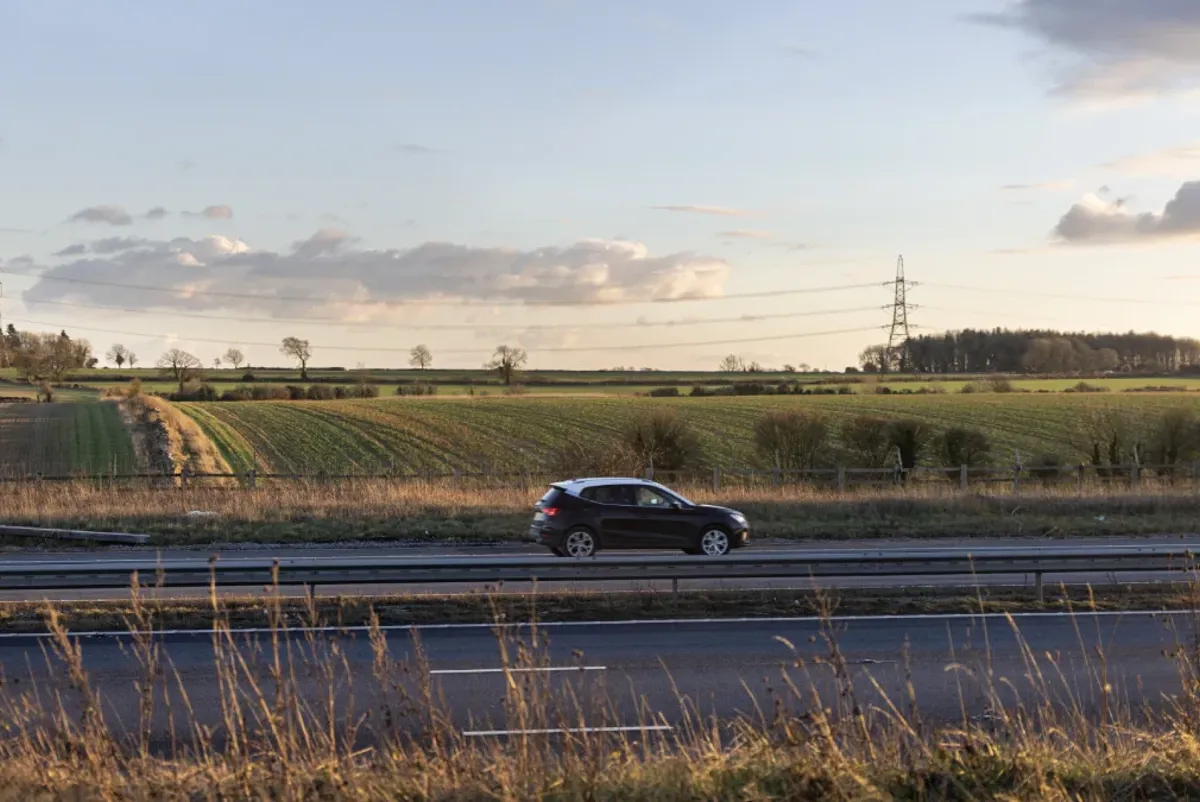
Before launching a DST, operators must ensure that it is accurate and fit for use. National Highways asked our team to assure a new DST that will help it maintain tens of thousands of assets across England’s roads. © National Highways
Assuring a DST before deployment
Before launching a DST, operators must ensure that it is accurate and fit for use. They regularly commission us to assure and validate tools developed by others.
National Highways, for instance, asked our team to assure a new DST that will help it maintain tens of thousands of assets across England’s roads. Using our technical knowledge of bridges, structures and pavements we are undertaking an independent and objective assurance review. This will ensure that the outputs of the DST are accurate and that they will form a sound basis for planning an investment programme worth billions of pounds.
As operators of transport and utilities networks look ahead, climate resilience will be an increasingly important concern. With two decades of experience in DSTs behind us, we are currently exploring the options for upgrading these tools to assess how network operators should respond to a changing climate.
Projects
Explore more roads and streets projects

Illuminating a community path for the nighttime safety and enjoyment of pedestrians and cyclists
Somerville Community Path Lighting, USA

County-wide adaptation strategy to protect a critical Bay Area transportation corridor from sea level rise
Marin County Sea Level Rise Adaptation Study, USA

California’s first long-span cable-stayed bridge
Long Beach International Gateway Bridge, USA

Planning an electric bus corridor that links communities across California’s Central Valley
Kings/Tulare Cross Valley Bus Corridor Plan, USA
Get in touch with us
If you'd like to speak to one of our roads and streets experts about any of the issues raised on this page or a potential collaboration then please get in touch by completing the form.
