
Renewable energy microgrid pioneers decarbonizing model for an EV bus transit system
Martha's Vineyard Transit Authority microgrid
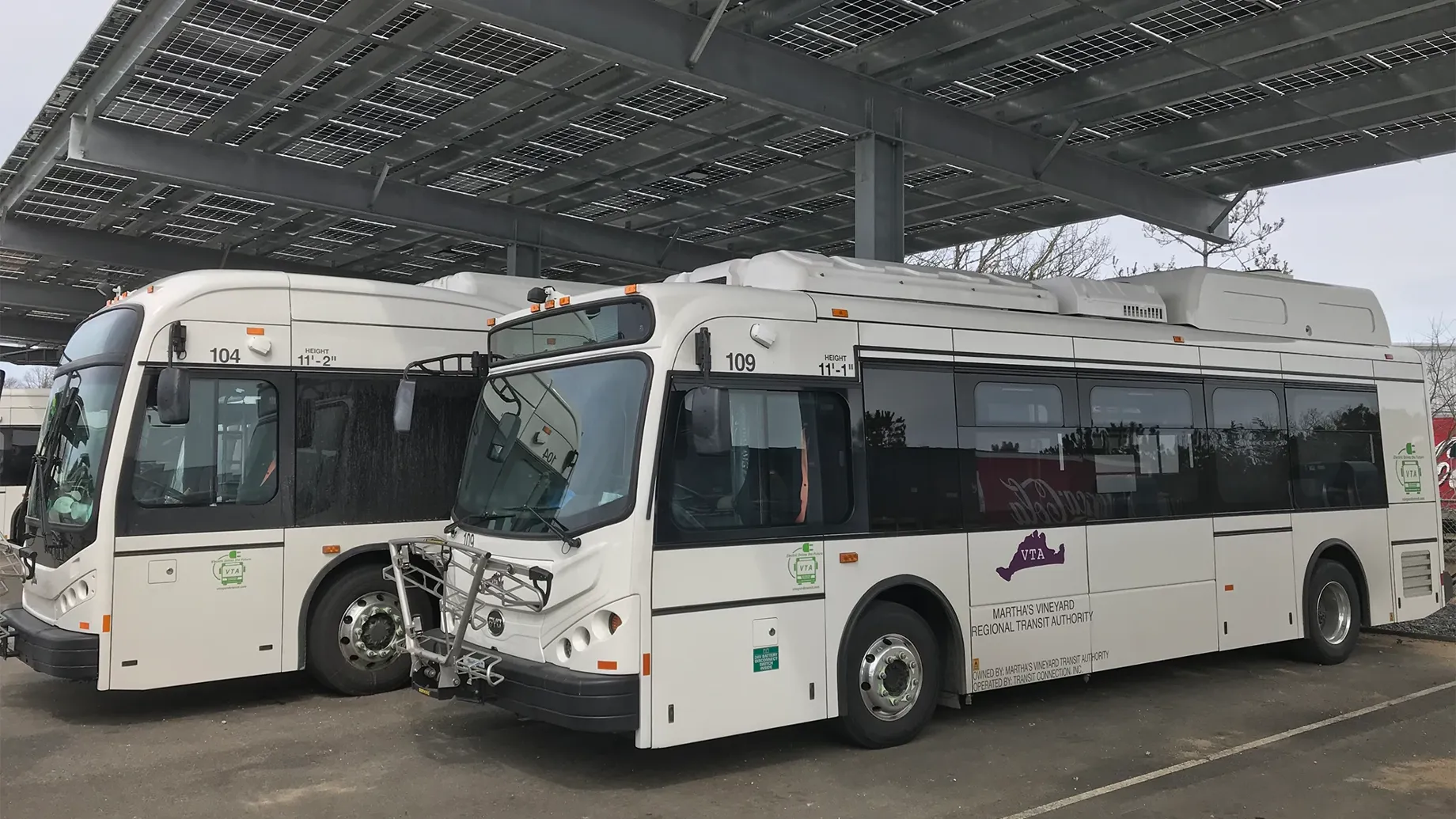
The challenges of operating a bus fleet on an island led Martha’s Vineyard Transit Authority (VTA) to begin converting to an electric bus system. To maintain operations when the main grid goes down, VTA opted to implement a microgrid, which uses on-site solar power and battery energy storage for a resilient independent energy source that also significantly reduces carbon emissions.
Accessible by boat and air only, the 88-square-mile island depends on imported fossil fuels for electricity and to power vehicles. This not only translates into higher fuel and energy costs, but it also contributes to greenhouse gas emissions and leaves the island vulnerable to power outages during major weather events.
The single-user microgrid designed by Arup, PXiSE, and Vermont Energy Investment Corporation is an energy distribution, storage, and generation network that can be disconnected from the main grid during power outages to then tap into its own stored electricity and solar-generated power. This system also allows the agency to reduce its demand on the grid during peak hours and enables it to charge vehicles overnight through its energy storage infrastructure without interrupting service.
Pioneering a decarbonizing model for transit, the combined system supports a more reliable and environmentally responsible public transportation network for the 20,600 year-round residents on Martha’s Vineyard Island who live in six towns connected by the bus service. The all-electric bus fleet will eliminate 36,000 tons of carbon dioxide over ten years of driving 1.4 million miles annually. The electrified fleet combined with a single-user microgrid brings a cleaner, more resilient and economic model to Martha’s Vineyard.
A renewable energy microgrid
To reliably, sustainably, and cost-effectively keep the buses charged, VTA made the decision to install a large onsite PV system at the depot to generate their own energy. Solar provides 100% clean renewable energy for the VTA at a lower price — and carbon content — than if purchased from the utility.
Solar is free, abundant, and zero carbon, however, it must be stored in a way that can be tapped into when needed. The VTA chose to pair battery storage with its solar energy system to manage utility costs and allow them to operate when the utility is down, thereby creating a microgrid.
Located at VTA’s existing depot in the town of Edgartown, the microgrid combines a new 700 kW DC solar PV array, battery energy storage and a diesel generator as back-up, as well as 16 vehicle charging stations, with 20 more to be added in the coming years. The network also includes induction charging stations that recharge the buses on route, allowing them to stay in service for their 200 to 300 miles-a-day circuit without detouring to recharge. Wireless charging plates embedded in the ground at bus stops allow buses to partially charge numerous times throughout the day. With on-site battery storage systems to provide energy cost reduction, and emissions free backup power, these charging stations easily blend in with Martha’s Vineyard’s natural landscape.
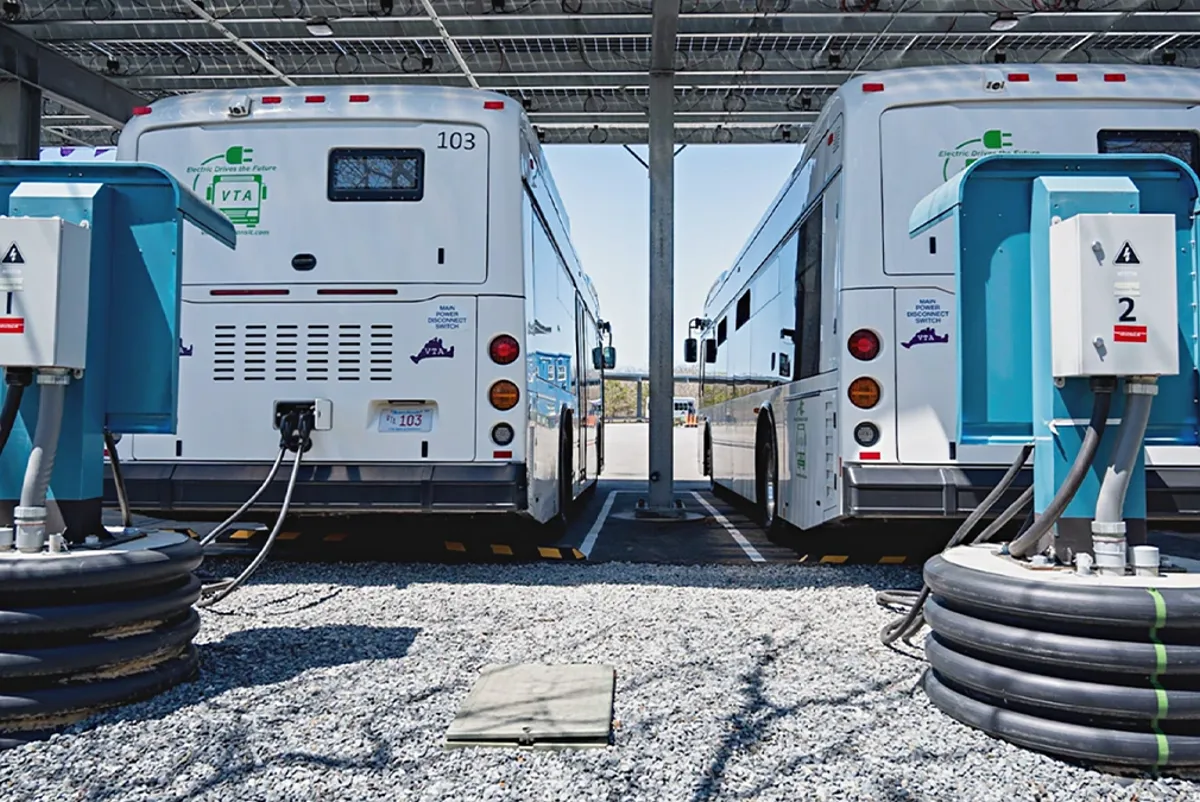
The electric bus system and solar microgrid brings cleaner, more resilient public transit to Martha's Vineyard
Optimizing electric fleet operations
Along with operating cost savings and reduced carbon emissions, in comparison to diesel buses, the VTA’s electric fleet is also quieter inside and out, has no adverse impact on local air quality, and requires less maintenance. Unlike a diesel vehicle that can be quickly fueled — often conveniently drawing from large stores onsite — a battery electric bus, requires a longer time to recharge.
This is where the VTA’s microgrid plays a key role in supporting its fleet operations and costs. It uses complex algorithms and forecasts to balance and optimize energy costs, carbon emissions and resilience. The microgrid also calculates each bus’s energy consumption for the next day and plans charging for the fleet accordingly. Similarly, in the event that utility power is lost, the microgrid starts its onsite generators to charge the fleet overnight, when solar is not available, thereby ensuring that all buses are at full capacity as scheduled the next morning. Additionally, the VTA’s microgrid incorporates maintenance needs and maintains safe electrical infrastructure operations — all without user intervention.
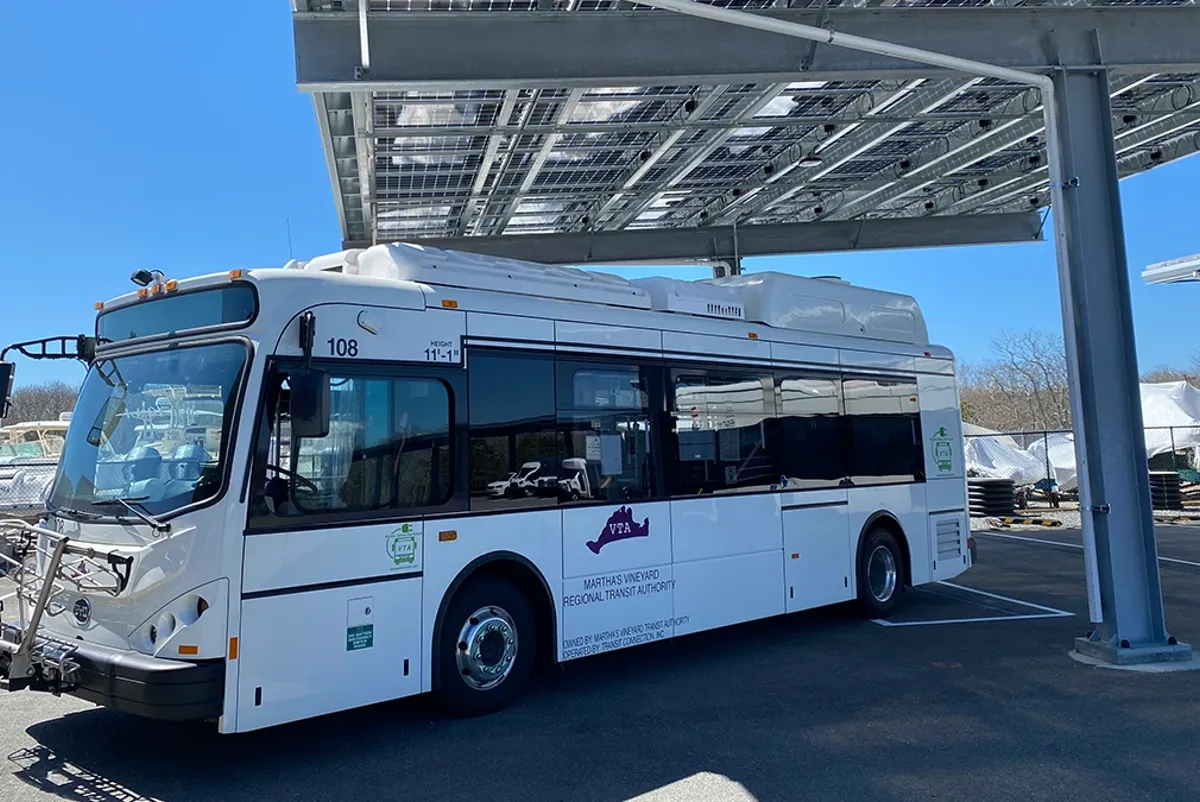
The electric fleet is quieter, cleaner, and requires less maintenance

The bus depot pairs solar energy with battery storage to mainain operations when the utility is down
Translating microgrid operations for transit
Moving to a microgrid required the VTA to fundamentally rethink how they fuel their fleet. For example, once a battery electric bus is on the road, its operation is much like a diesel bus, however when it returns to the depot, facility operations and recharging depart considerably from diesel procedures, upending many conventional transportation processes. Therefore, Arup worked in close partnership with the agency to provide microgrid engineering to design a system that supports the VTA’s transportation requirements for reliable, regular transit while leveraging the microgrid’s smart technology for a new level of operational efficiency.
PXiSE / Borrego Solar / Viriciti
Projects
Explore bus network projects

Planning an electric bus corridor that links communities across California’s Central Valley
Kings/Tulare Cross Valley Bus Corridor Plan, USA

Improving the sustainability, efficiency and usability of Metro Manila's bus service
Formulating ‘quality bus’ corridors in Manila, Philippines

Transforming the UK bus sector
Bus Back Better, United Kingdom

Developing a bus masterplan that enables growth and cuts carbon in Abu Dhabi
Bus masterplan for the Emirate of Abu Dhabi, United Arab Emirates
Get in touch with us
If you'd like to speak to one of our roads and streets experts about any of the issues raised on this page or a potential collaboration then please get in touch by completing the form.
