
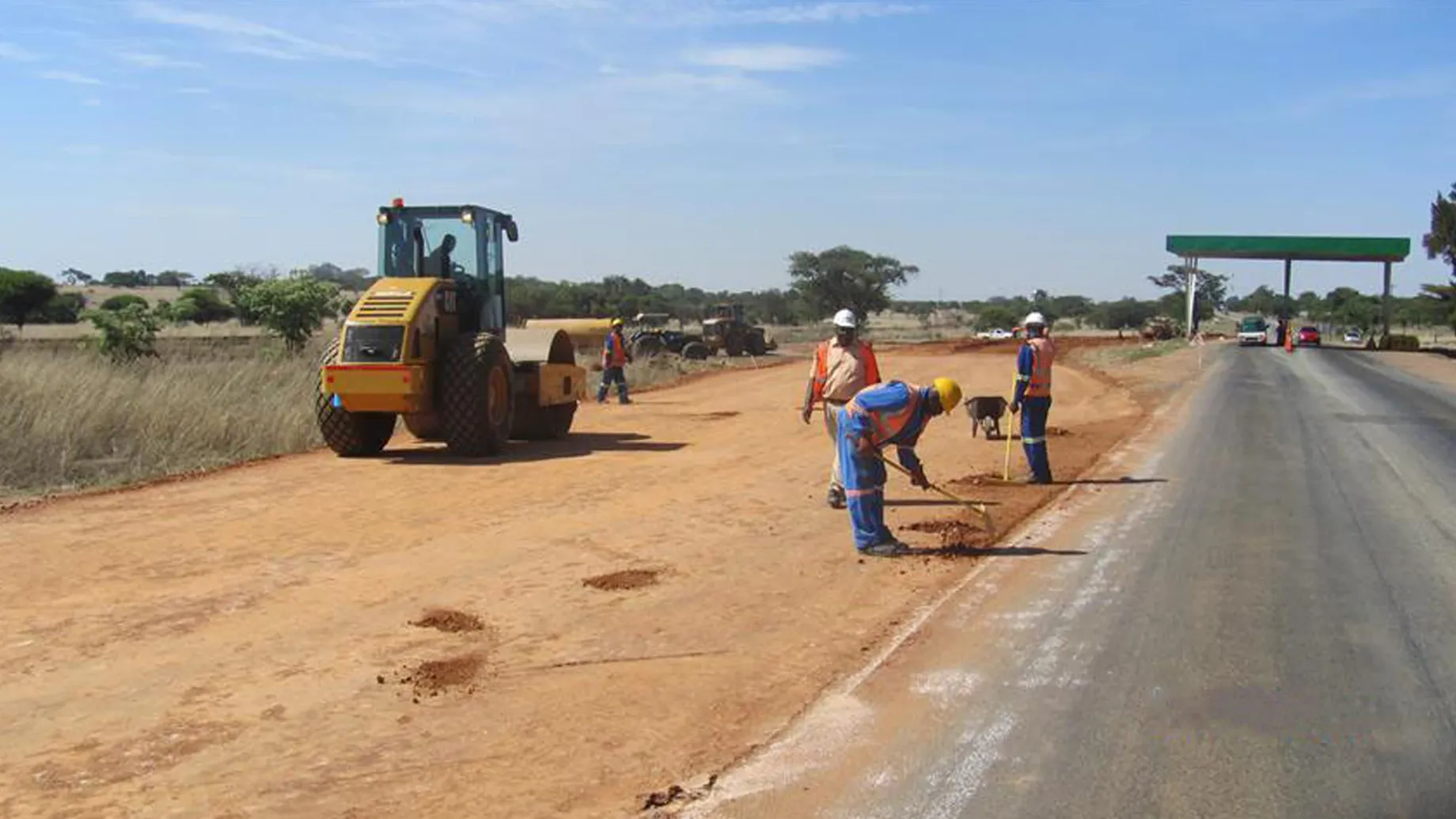
As part of Zimbabwe’s national road renewal programme, Zimbabwe National Road Administration required full regeneration of an 820km major road in poor condition.
The route needed improved safety measures, modern tolling systems and sustainable infrastructure upgrades to enhance road users’ experience and safety, boost connectivity across the country and contribute to a better quality of life for surrounding communities.
Arup was appointed to design and manage the second phase of the project, delivering traffic and pavement condition assessments, implementing sustainable engineering solutions – such as recycled materials, off-grid power and drainage upgrades – and overseeing quality control. The programme included road rehabilitation and nine modernised plazas. These were delivered in close partnership with Group Five Building, local authorities and key stakeholders.
Today, the upgraded route delivers safer, more accessible travel, reducing accidents and enhancing regional mobility. It also set a new benchmark for environmentally responsible practices in road building and renewable energy use, promoting sustainable solutions from initial design through to long-term operation and maintenance.
Road rehabilitation and safety upgrades
We led the renewal of Zimbabwe’s 820km trunk road connecting its western and eastern borders, an essential trade and mobility corridor for freight. Our work began with traffic analysis, pavement assessments and condition surveys, which shaped a targeted approach balancing durability, safety and sustainability within budget.
To address the route’s varying conditions, we applied tailored engineering solutions. Some sections of the road were fully reconstructed, while others were widened to improve flow and capacity. Safety upgrades were embedded throughout, including 1.5m shoulders for added clearance and safer overtaking and continuous road studs for high visibility, especially at night and in adverse weather conditions.
We also introduced the Southern African Development Community (SADC) compliant road signage and marking standard across the route. This marked the standard’s first national implementation, and its success led to widespread adoption across Zimbabwe’s road network.
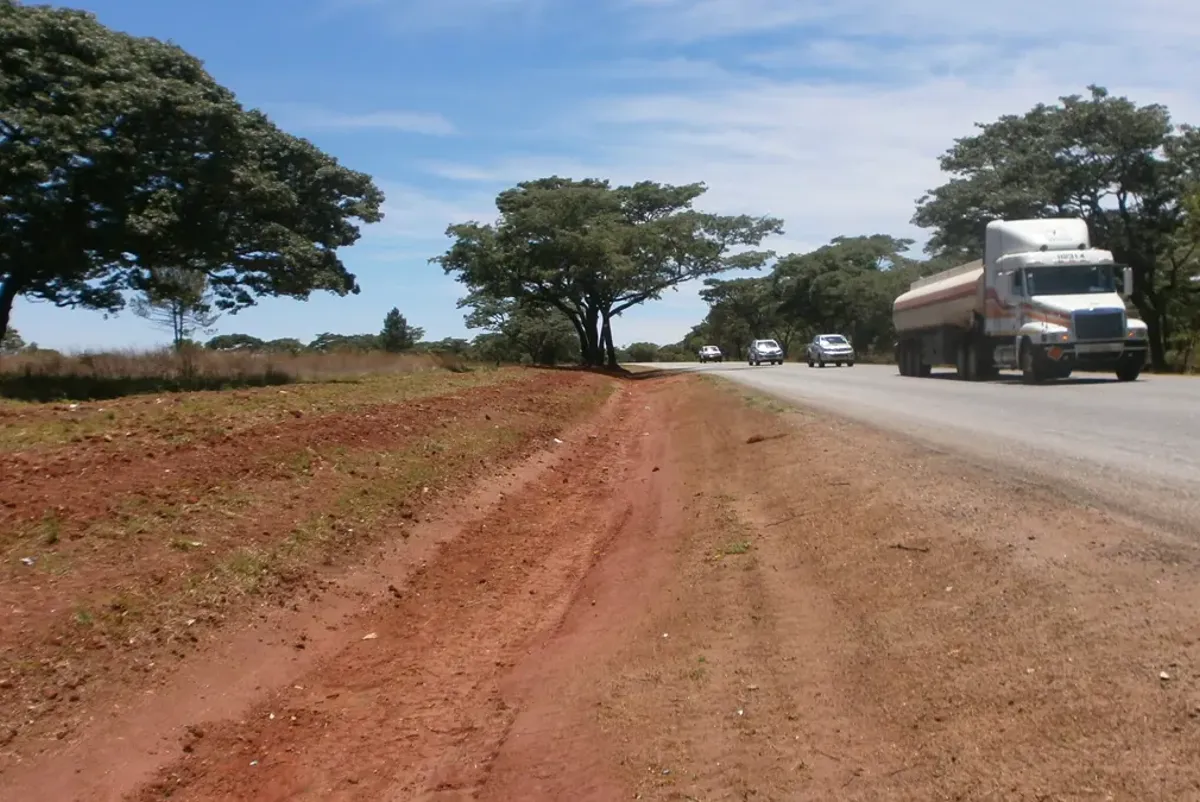
The highway 10km before Macheke.
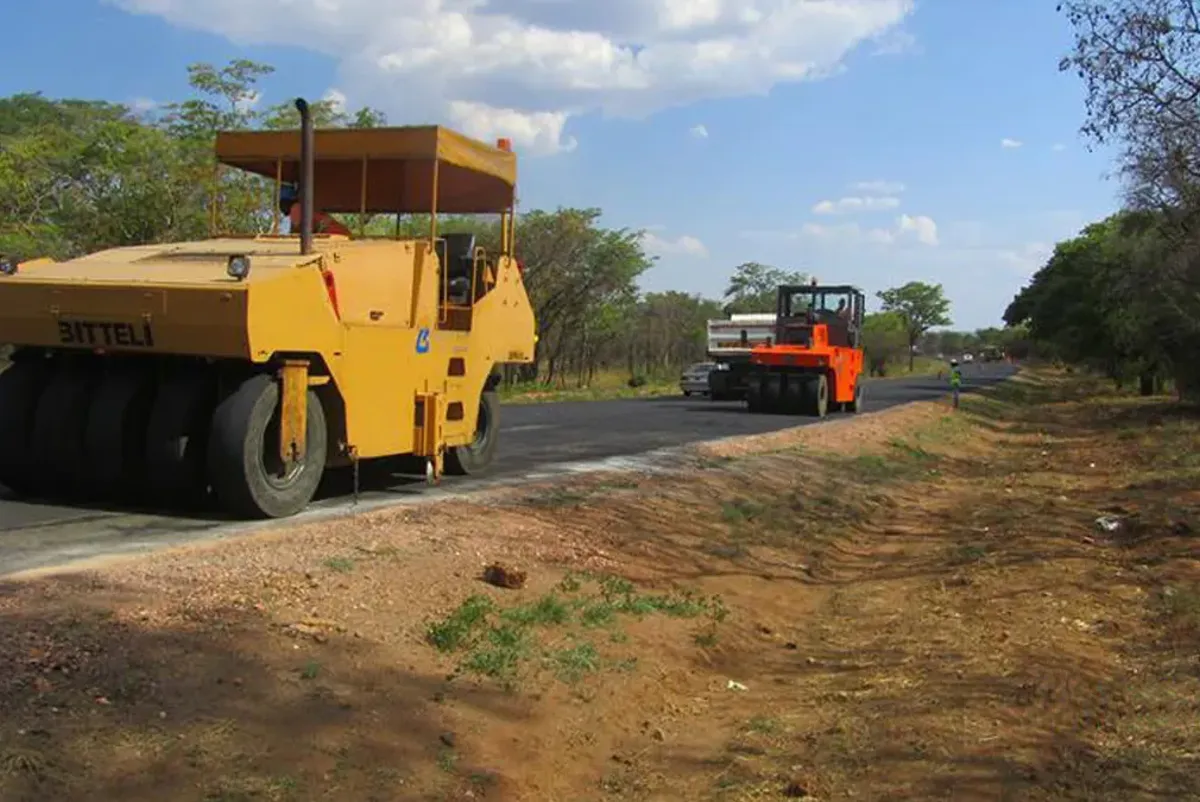
Plumtree-Bulawayo-Harare-Mutare Highway during the rehabilitation works.
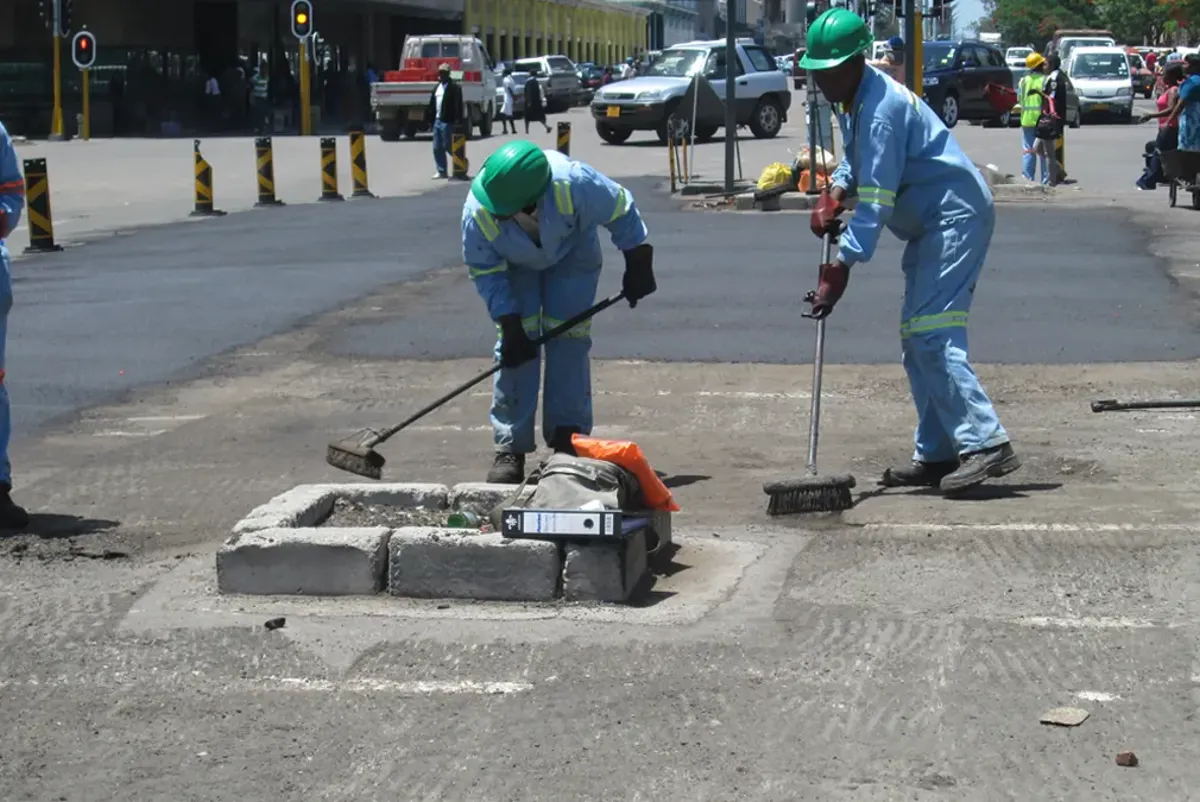
Road rehabilitation in Bulawayo.
Sustainable engineering and low-carbon design
Sustainability practices were embedded into every aspect of the project’s design. We reduced the project’s carbon footprint by reusing existing pavement resources, decreasing the need for new raw materials.
For the nine toll plazas, we developed off-grid solar power systems tailored to fit the limited space available on each 400m² roof canopy. These designs also included LED lighting and smart load management technology to cut energy use during off-peak periods.
Setting the standard for sustainable development
Beyond delivery, the project helped shape Zimbabwe’s future infrastructure strategies. By combining recycled materials, renewable energy technologies and safer road configurations, the project established a new standard for national road design. This approach delivered a positive impact on both environmental and social outcomes, ensuring long-term benefits for future generations.
The adoption of best practices for asset life extension ensured that road improvements would remain safe and cost-effective over time. The integration of SADC-compliant signage, solar-powered tolling and low-impact construction techniques helped position the project as a model for sustainable and scalable road infrastructure across the region.
Projects
Explore more roads and streets projects

Illuminating a community path for the nighttime safety and enjoyment of pedestrians and cyclists
Somerville Community Path Lighting, USA

County-wide adaptation strategy to protect a critical Bay Area transportation corridor from sea level rise
Marin County Sea Level Rise Adaptation Study, USA

California’s first long-span cable-stayed bridge
Long Beach International Gateway Bridge, USA

Planning an electric bus corridor that links communities across California’s Central Valley
Kings/Tulare Cross Valley Bus Corridor Plan, USA
Get in touch with us
If you'd like to speak to one of our roads and streets experts about any of the issues raised on this page or a potential collaboration then please get in touch by completing the form.
