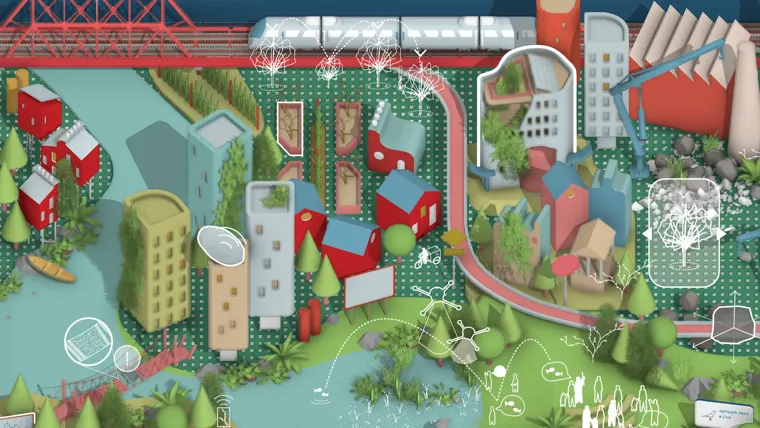
Artificial intelligence is quickly reshaping how cities understand, design and manage the natural systems that support urban life. As climate impacts intensify AI offers new ways to bring nature into the heart of city planning, improving resilience, restoring biodiversity and strengthening the wellbeing of urban communities.
Yet alongside these exciting opportunities come important questions. How might AI alter existing ecological dynamics? What risks could arise from automation or overreliance on poor quality data? And what new responsibilities do practitioners face when using systems that may shape decisions affecting both people and the natural world?
Across the built environment, AI is already helping practitioners make more informed decisions about where and how nature can deliver the greatest benefit. Tools can analyse environmental data at scale, identify biodiversity hotspots, model cooling from tree cover and support the deployment of nature‑based solutions with greater precision. These capabilities allow teams to respond more quickly to climate risks while enhancing the quality of green and blue infrastructure.
However, these possibilities depend on careful design, transparent governance and a recognition that AI cannot replace ecological expertise. If poorly calibrated, systems may reinforce historical biases, misinterpret ecological signals or unintentionally favour certain species, with consequences for biodiversity and ecosystem health.
This issue draws on cutting-edge practice and emerging trends to imagine the future of our cities in a world where AI has augmented our approach for designing for and with nature. The piece explores the opportunities, risks and responsibilities that come with using AI to support nature in our cities and how we can ensure it remains a tool that strengthens outcomes for both people and the planet.