
AI for Future Cities: Transport
As the fourth in our AI for Future Cities series, this issue explores the transformative potential of AI in urban transport systems, drawing on cutting-edge practice and emerging trends to imagine the future context of urban mobility.
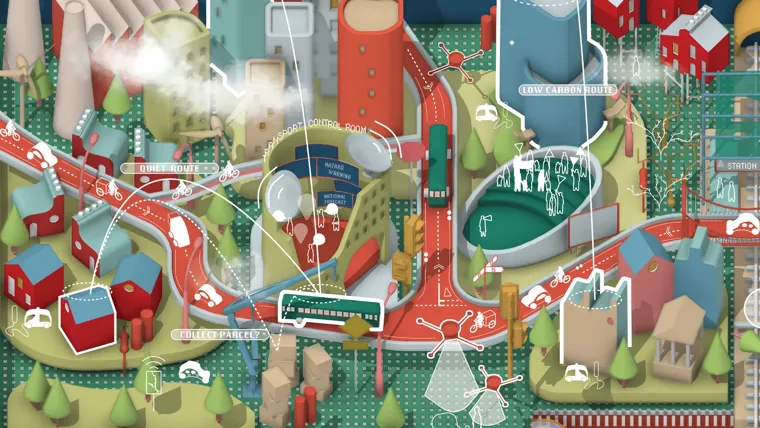
New capabilities in Artificial Intelligence (AI) are set to bring a transformative step change to how transport is planned, designed and operated in our cities. Here, AI can move beyond improving the efficiency of things we do currently and introduce new areas of transformational capability.
AI can now independently generate adaptive solutions in transport and even make autonomous decisions in real time. This, of course, creates a range of exciting new possibilities, but also some profound questions about unintended consequences and ethical considerations. Who sets the rules that determine decision-making? How do we establish shared goals that we all agree on? How do we ensure transparency, fairness, and accountability when machines act on our behalf?
By taking a futures-first approach to thinking about the use of AI in urban transport systems, this issue aims to help you make sense of these rapid and complex developments. It combines thought-provoking challenges with informed speculations about the future, alongside current case studies.
In so doing, the issue seeks to explore a range of questions; how might AI-enabled mobility reshape the physical structure of our cities and the journeys of their residents? What new skills will future practitioners need? And how do we ensure that AI remains a tool for inclusion, resilience, and human-centred design?
Download
About the AI for Future Cities series
Artificial Intelligence holds great promise but what does this mean for the way cities are planned, designed, built and managed? Each issue of AI for Future Cities provides futures-thinking perspectives, expert insights, accessible trend analysis and cutting-edge case studies on the use of artificial intelligence and its impact on future cities. Future editions of the AI for Future Cities series will focus on the implications of the technology for nature and workplaces.
Explore the previous and next issues
Additional resources
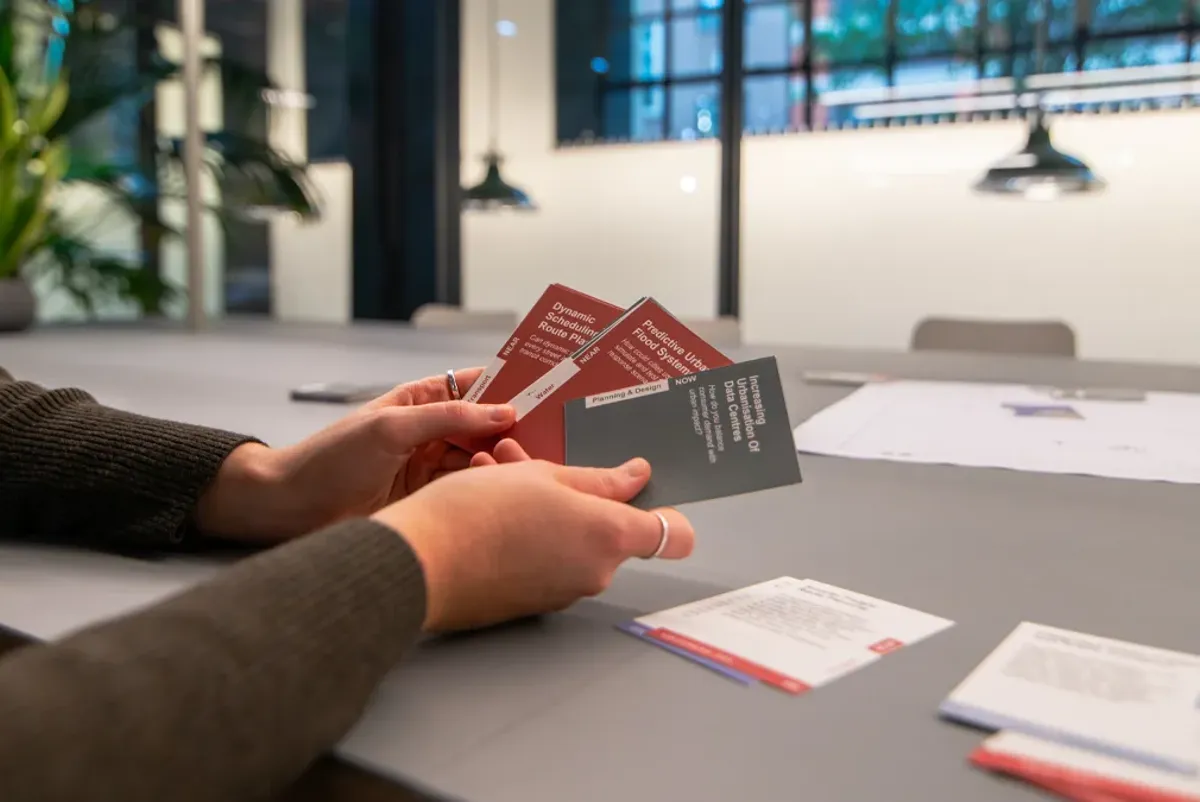
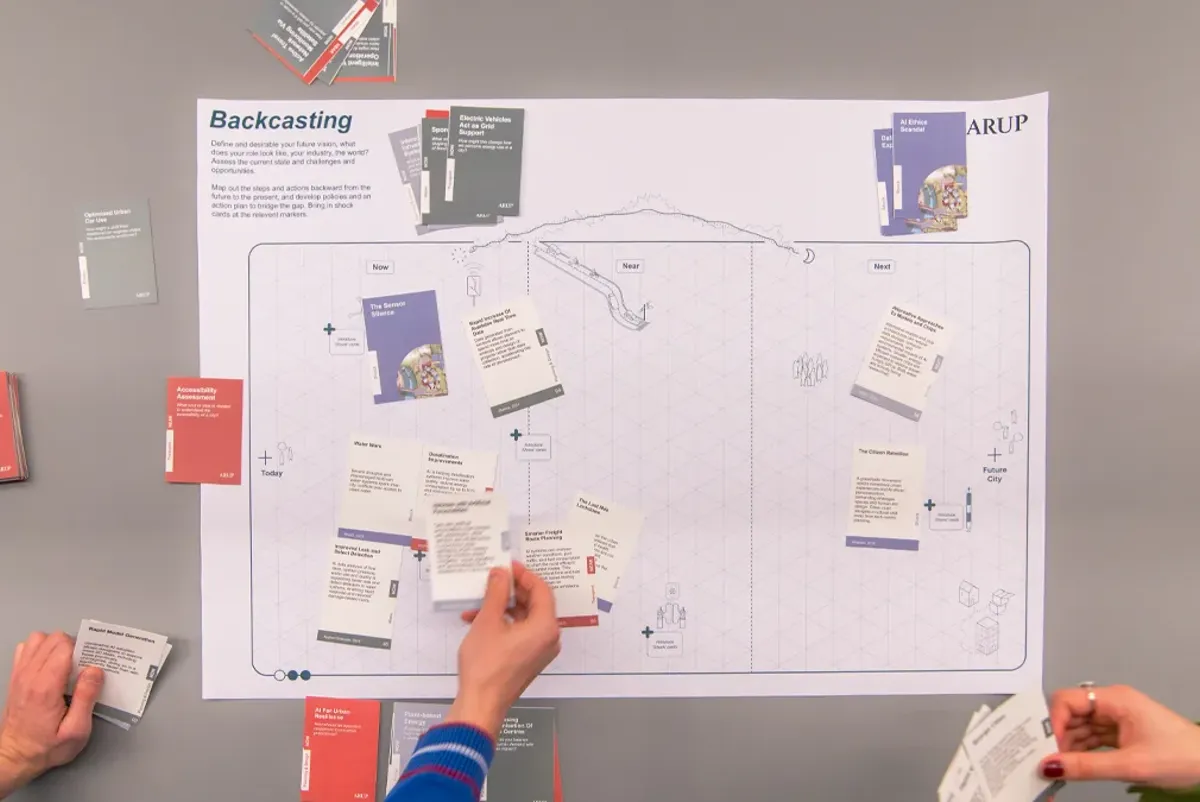
Alongside our publications we have a range of trend cards and associated workshop exercises to guide our teams and clients through what the future of AI may mean for their unique context.
Please get in touch with our Foresight team to learn more.


