
Decarbonizing shipping: why it matters and how the maritime industry can respond

In our Issues section, we discuss the big questions facing the built and natural environments.
Last updated: August 2025
Maritime shipping helps integrate economies, connect communities, and harness ocean resources. This sector is on the verge of a huge transformation, having recently agreed to a global policy framework to deliver a net-zero international shipping system by mid-century.
The decarbonization of shipping is a challenging aspect of climate action, but it has the potential to unlock significant co-benefits for nations and communities. Reducing emissions will require new technologies, innovative business models, and effective regulation at all levels of government.
Navigating this change can be daunting—figuring out what to invest in and when is difficult. Drawing on our work for clients across the maritime industry, this article explores how to approach maritime decarbonization.
Decarbonizing a complex sector
Maritime shipping is a diverse and varied sector, spanning urban commuter ferries to oceangoing container ships and fishing boats to offshore construction vessels. Each segment of the industry faces its own commercial drivers, challenges, and solutions when considering how to minimize carbon emissions.
Deep sea cargo shipping requires substantial energy to cross entire oceans, and reaching net-zero will require a major shift to sustainable fuels. For now, alternative fuels (like biomethanol or e-ammonia) are expensive, but the additional cost can pale in comparison to the value of the goods these mega-ships transport. This opens up the opportunity for new commercial agreements that distribute some of the costs of sustainable fuels through supply chains.
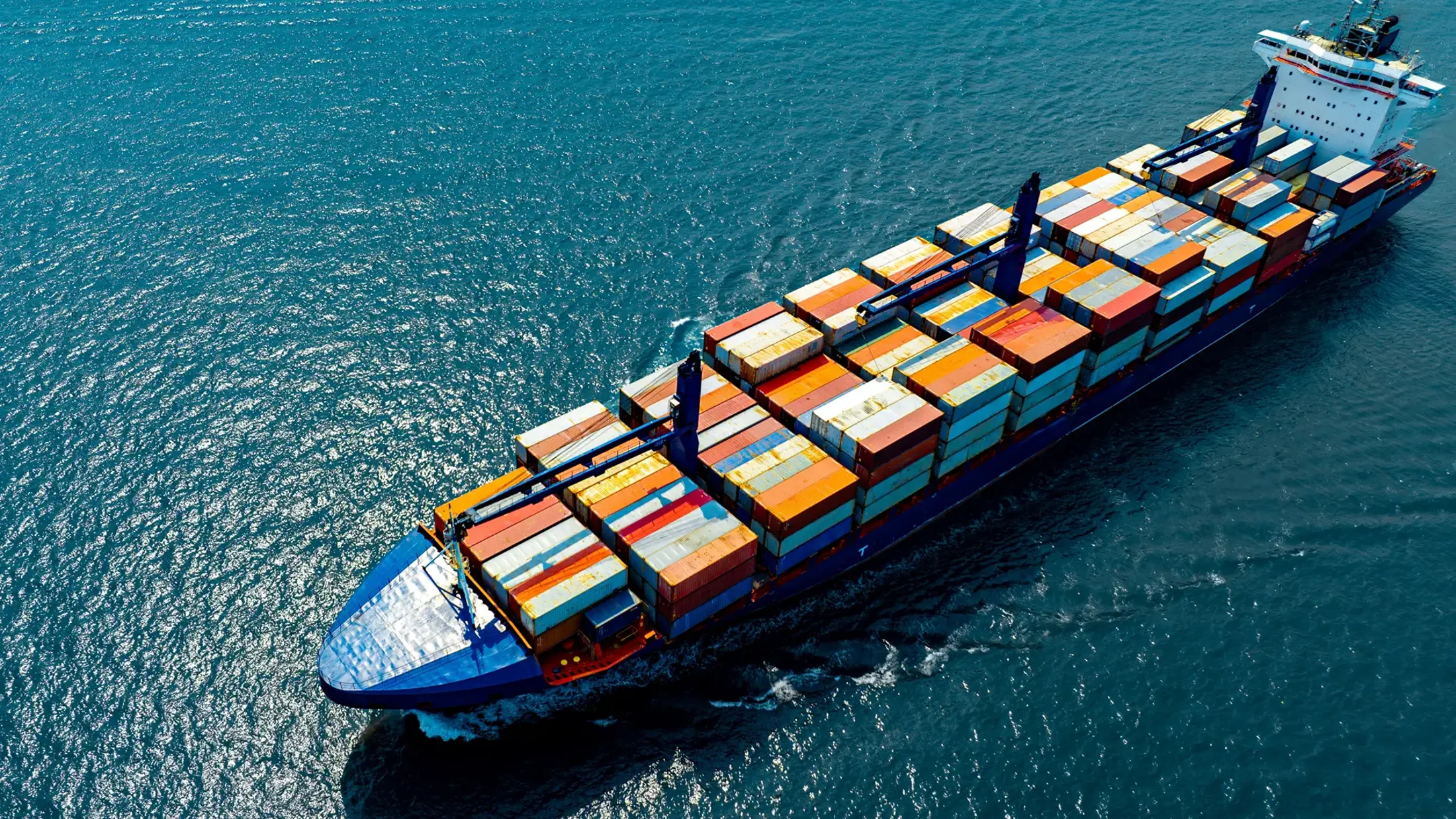
Cargo shipping's CO2 emissions account for nearly 3% of the world's total emissions. The opportunities and potential impacts offered by alternative marine fuels are therefore huge.
Domestic and short-sea ferries—along with harbor craft, workboats, pleasure craft, and some cargo vessels—are increasingly adopting battery energy storage technologies, which are viable for shorter voyages.
Of course, batteries require charging infrastructure, and shoreside planning of electrical systems can be challenging. However, innovation in energy storage and charging technologies is expanding the size and type of vessels that can adopt these solutions.

How do we source sustainable maritime fuels?
For now, we simply don’t produce enough sustainable fuels to support either emerging demand or address net-zero targets. Market development is itself a complex undertaking—requiring the alignment of capabilities, resources, investment, and incentives. We need to see a rapid expansion in the production and supply of hydrogen-based fuels, biofuels, and fuels enabled by Carbon Capture and Storage (CCS).
Developing each of these fuel types will mean overcoming challenges around cost, scalability, and sustainability. Policymakers and the market will need to determine whether these fuels are best produced locally, nationally, or internationally.

What role do green shipping corridors and other innovation partnerships play?
To make significant progress toward green shipping will require innovation at a number of levels: new technologies, business models, and supportive regulations that enable the safe demonstration of low-carbon solutions.
Green shipping corridors and similar innovation partnerships offer a vital testing ground for these ideas, helping to accelerate their development and scalability. These collaborations often require coordination across the value chain—even among competitors—and extend beyond business-as-usual practices.
Drawing on our experience supporting these partnerships—both in shipping and in other sectors that have embraced collaborative innovation—we’re helping these initiatives mature and move toward operation. This includes conducting pre-feasibility and feasibility studies that assess zero-GHG fuel demand at ports, exploring production or import options, and designing fuel distribution concepts. These studies integrate technical, commercial, and policy expertise within a strategic framework that enables a viable and successful green shipping corridor.
Early movers in green shipping should recognize that they gain the opportunity to unlock related benefits at the national scale. Demand for sustainable shipping fuel can act as a key enabler of industrial and energy strategies, supporting investment in renewable energy, green technology manufacturing, and large-scale fuel production hubs—leading to green jobs, emission reductions, and a faster energy transition.
You might be interested in
Publication – Navigating collaboration: good governance for green shipping corridors
Publication – Canadian Green Shipping Corridors Preliminary Assessment
Publication – Port energy supply for green shipping corridors
Change on land: what does the future hold for ports?
Ports play a key role in the broader journey to net-zero, and port authorities and operators are rethinking their role in a climate-resilient future. They are natural locations for offshore wind manufacturing and construction hubs, and can become green energy terminals for the import and export of sustainable fuels and captured carbon, or act as electrification hubs for low-carbon mobility.
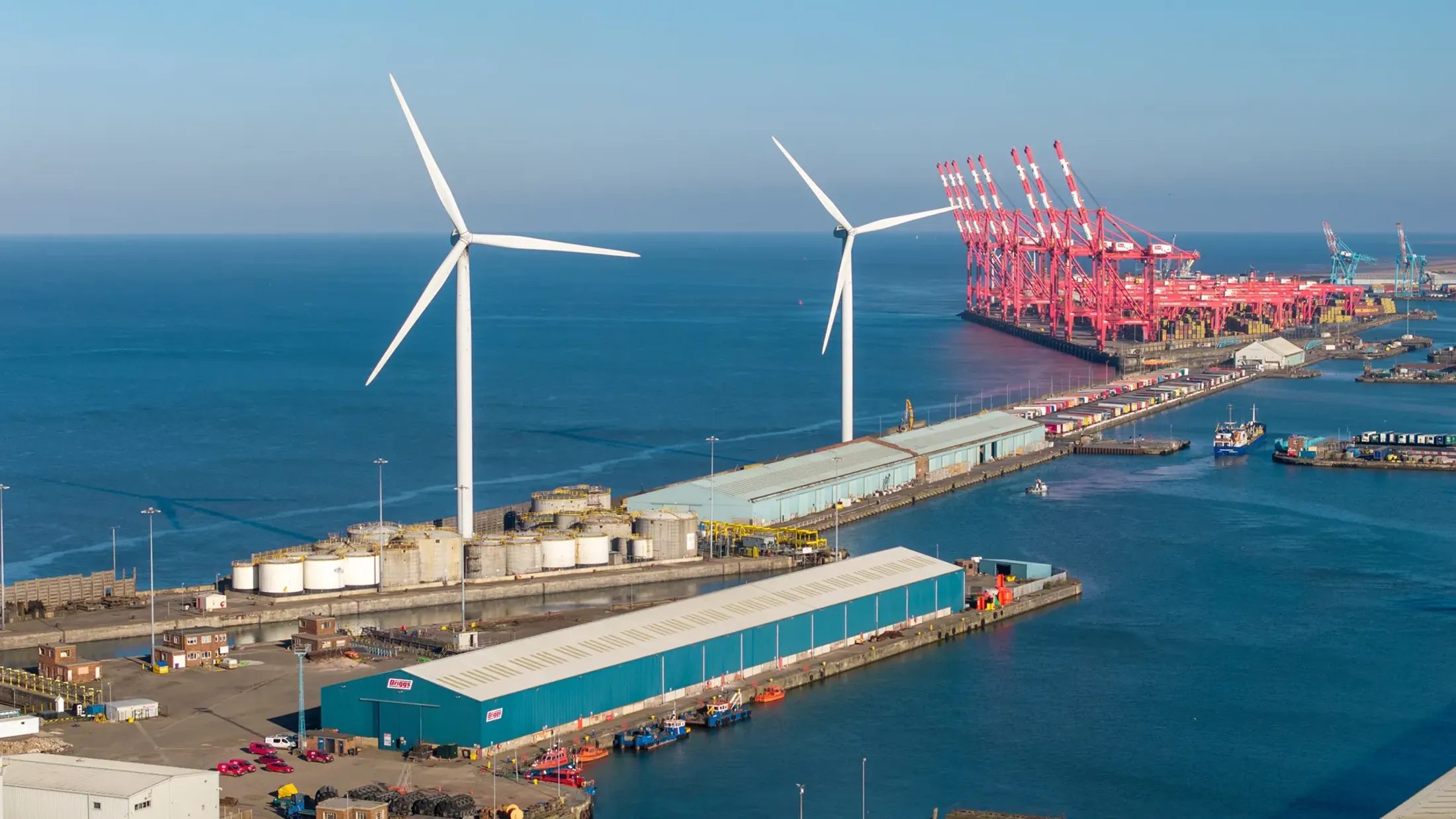
Ports will play a growing role in decarbonizing the wider energy system, acting as sites for renewable energy asset production.
We have been helping ports around the world to develop their decarbonization strategies and action plans. The goal is always a pathway that aligns policy, financial, and customer drivers to enable commercial success and support port growth.
This means taking a "systems view" of a port’s entire operations. This approach recognizes that decarbonization is not just about a port's direct emissions, but also about reducing "scope 3" emissions (indirect greenhouse gas emissions that occur in a company's value chain) by supporting its value chain stakeholders. Crucially, this must be done in a way that unlocks investment in port cities and delivers broad socio-economic benefits.
Given the level of uncertainty across the maritime industry, an integrated, long-term view is essential to build a credible and effective decarbonization plan.
You might be interested in
News – Arup and Environmental Defense Fund release new guide on port decarbonization
Article – Ports, net-zero, systems thinking and big opportunities
Expertise – Learn more about our our work across the maritime sector
Get in touch with us
If you'd like to speak to one of our maritime experts about any of the issues raised on this page or a potential collaboration then please get in touch by completing the form.
