
Designing resilient and outcome-focused infrastructure for Betio Port
Betio Port Masterplan Study
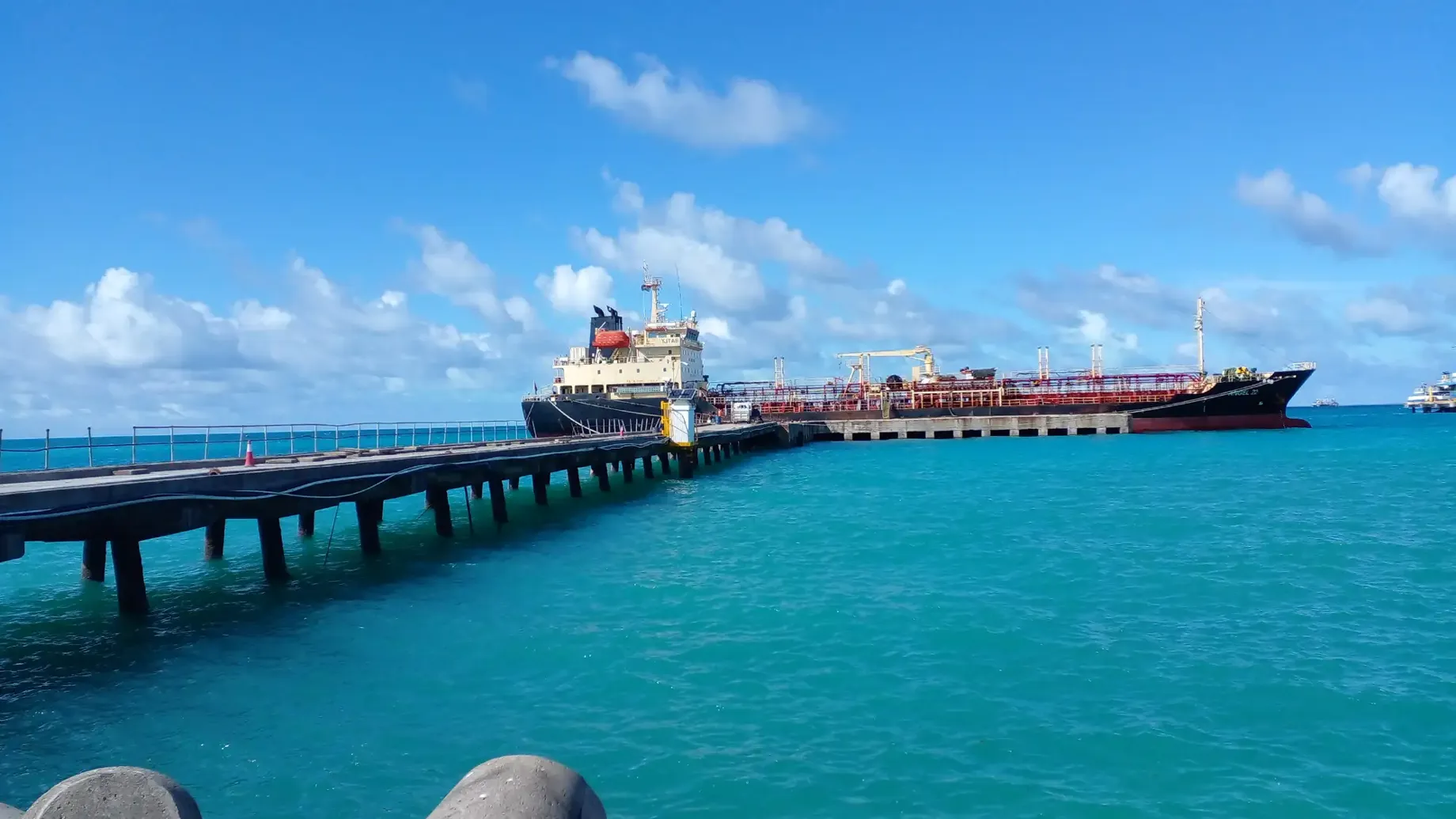
Kiribati, a central Pacific nation of 33 atolls, relies heavily on marine transportation due to its remoteness and limited land space. Betio Port is the country’s main international gateway and a vital transportation hub.
However, its aging infrastructure poses safety risks for users, introduces risks to the supply of critical services and goods, and places constraints on opportunities for economic growth. Renewing the port is essential for Kiribati’s future prosperity and social development. The Government of Kiribati needed technical advice and analysis to develop the right port layout for Betio’s future.
The Ministry of Information Communications and Transport and the Kiribati Port Authority, with support from The Australian Infrastructure Financing Facility for the Pacific (AIFFP), commissioned our team to develop a masterplan and prioritize projects for investment over the next 25 years. Collaborating closely with the Government of Kiribati, local industry, and communities, our team of maritime engineers, planners, environmental, social, and gender specialists, economists, cost consultants, and climate consultants developed a master plan that prioritizes climate resilience and social outcomes and undertook trade demand forecasting to inform investment and a feasible and actionable implementation plan.
Resilient infrastructure and improved planning across Betio Port will provide Kiribati with greater resilience across food and energy, safer travel, strengthened trade, and greater economic and social opportunities. A redeveloped port will enhance safety through upgraded infrastructure, better traffic management, separating trade and travel, and accommodating larger vessels and increasing capacity for trade. Improved security standards will continue international imports and broaden opportunities for exports.
Understanding Kiribati’s unique cultural and environmental context
The island of Tarawa and islet of Betio are increasingly vulnerable to climate change - particularly rising sea levels, while the community's immediate priorities are centered on access to essential goods, food, and transport. Balancing these human needs with environmental considerations required a deep understanding of Kiribati’s unique cultural and environmental context.
To navigate these complexities, we worked closely with the Government of Kiribati and partnered with four local consultants who guided us through cultural nuances, logistics, and stakeholder engagement. Additionally, we engaged a local cadet engineer, supporting workshops and contributing to the design of the masterplan. This local expertise enabled us to ask the right questions and align our design with community priorities while holding capacity building central to the delivery of the masterplan.
Our masterplan not only enhances the port’s resilience against climate change but also addresses the most pressing needs of the Kiribati community. By prioritizing access to vital infrastructure, we aimed to deliver positive social outcomes, improving the lives of those who depend on Betio Port for essential goods and services.
Partnering with locals to design infrastructure with social outcomes
To develop a port masterplan that delivers meaningful social outcomes, we needed a deep understanding of the community’s needs and perspectives. Our team of consultants visited Betio, engaging with key stakeholders across four project phases: inception, visioning, concept design and multicriteria assessment of the preferred masterplan options, and preliminary design and implementation planning.
We engaged with government bodies, industries, and organizations, carefully listening to their needs and ideas. Throughout each project phase, we refined the masterplan options based on stakeholder feedback. Key themes that emerged included passenger safety, waterway traffic congestion, landside congestion and traffic, adequate lighting, sheltered waiting areas, and safe boarding and disembarking from vessels. Additionally, we needed to understand how distinct parts of the port would interact to optimize the overall layout. We also explored opportunities to incorporate community assets and improve local industry, like making allowances for improved logistics and processing of copra for coconut oil production in Betio.
We developed over 20 design concepts, which we refined into four final options: a base design focused on essential upgrades and three others aimed at enhancing Kiribati’s resilience and economic and social development. When presented with these options, stakeholders favored designs that prioritized social benefits over minimizing capital expenditure. Our insights and stakeholder inputs guided the Government of Kiribati to choose the right layout for the new port.
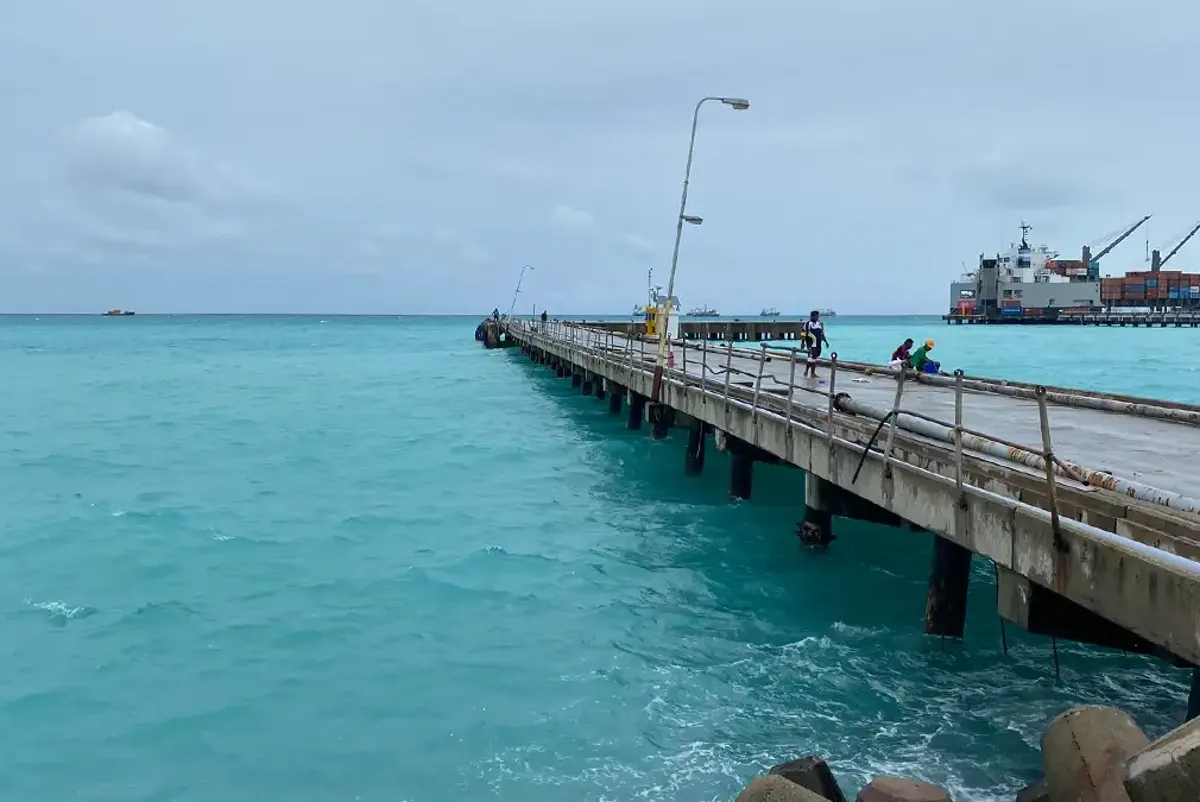
Charlie Wharf in dilapidated condition
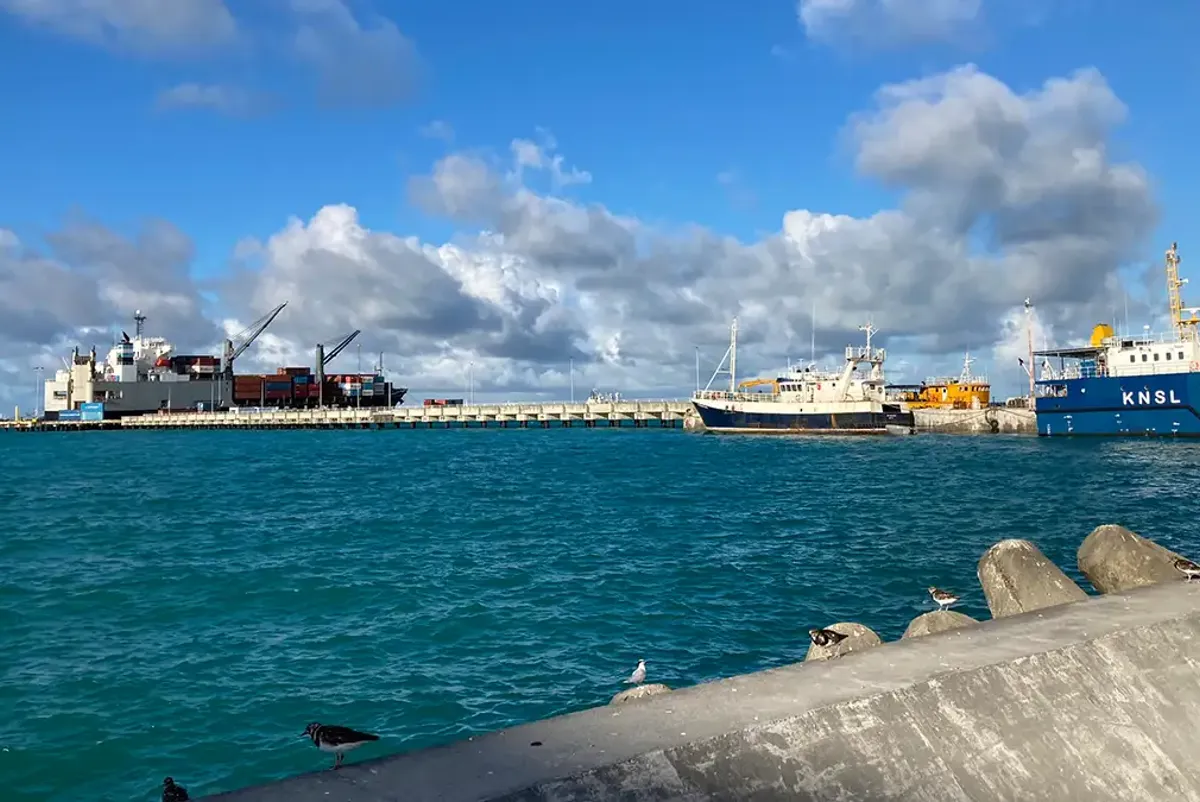
Maritime infrastructure in Betio Port
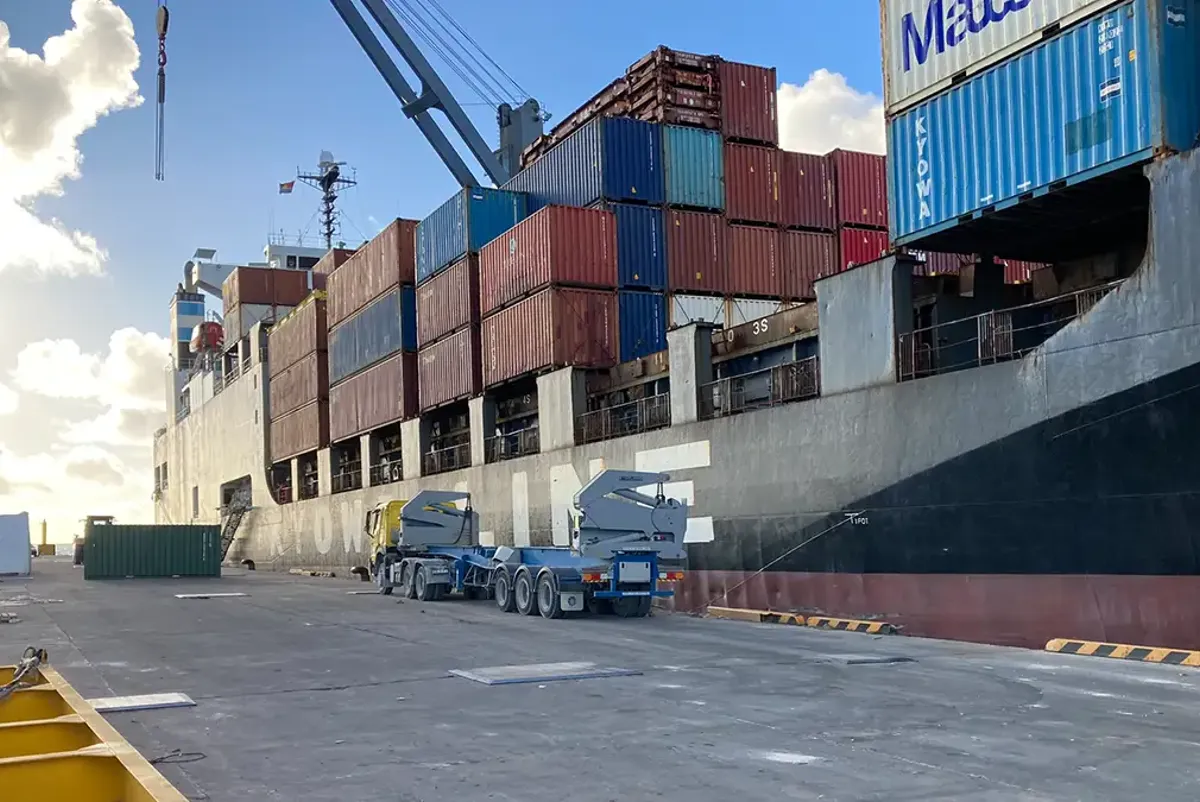
Cargo vessel at Alpha Wharf, Betio Port
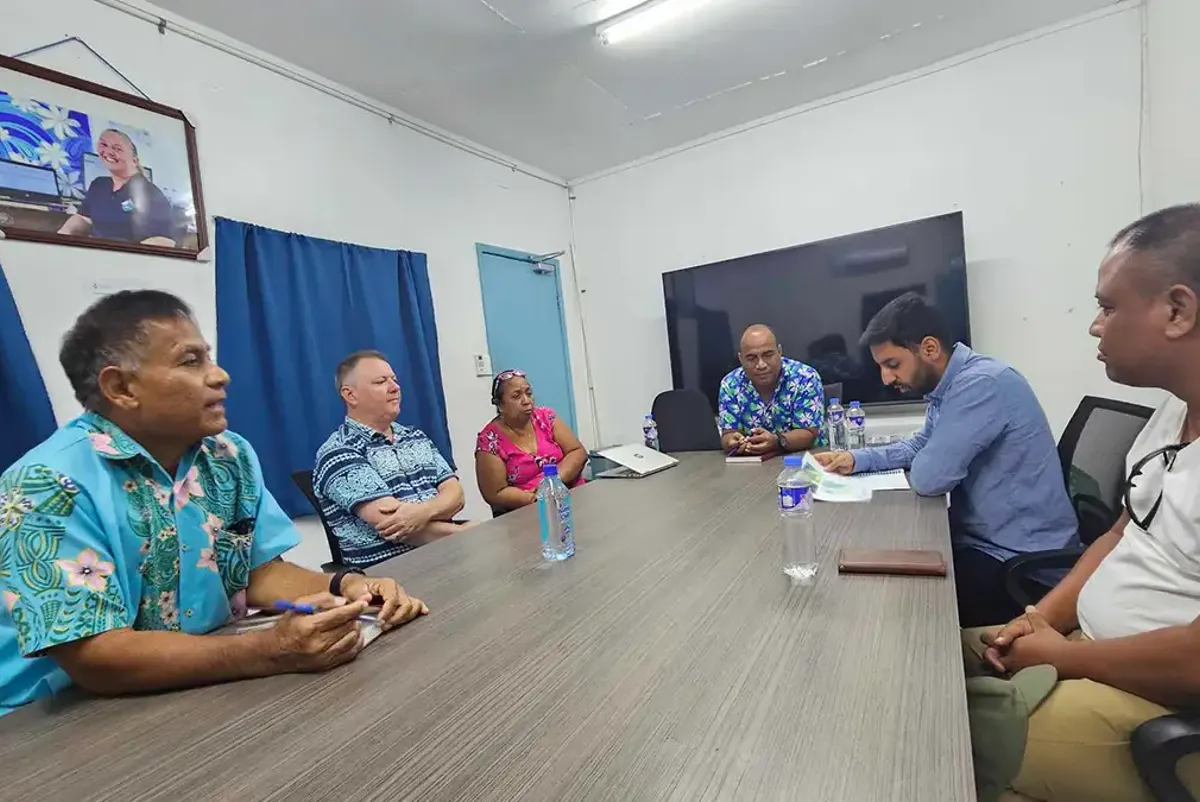
We held meetings with government stakeholders across four project missions to Kiribati to effectively inform the development of the masterplan
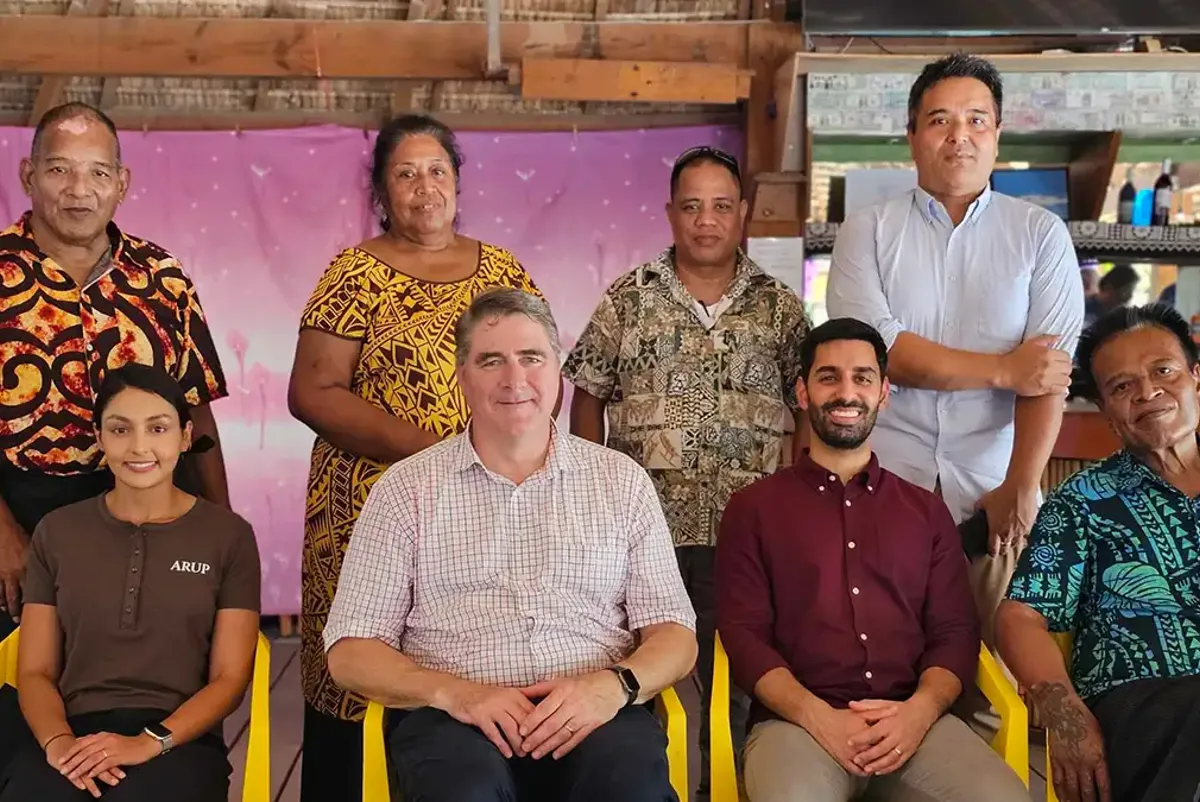
Arup consultants and local consulting team members with key project stakeholders in Betio
Designing investment opportunities and implementation plans
The next stage in the port masterplan study was to establish a clear implementation strategy and a prioritised set of investment opportunities. Our investment advisory team conducted a demand forecast for the preferred masterplan option, projecting domestic and international freight needs over 25 years. Using a scenario-based approach, we modelled high, medium, and low demand scenarios, considering factors such as climate change, population, fuel and food prices, and the potential for onshore fish processing.
We separated the port masterplan’s layout into work packages; each tied to specific port functional outcomes. Considering investment needs, demand forecasts, and project priorities we created implementation plans to achieve the masterplan design over the next 25 years.
Projects
Explore more maritime projects

Designing resilient, low-carbon ferry infrastructure for Perth
Ferry Service Expansion, Australia

Shaping Western Australia’s future container port and supply chain
Westport Program Stage 2 and 3, Australia

Realising the ambitions of Europe's busiest ferry terminal
Port of Dover 2050 Masterplan Framework, United Kingdom

Shaping the future of the Western Trade Coast’s infrastructure
Western Trade Coast Infrastructure Strategy, Australia
Get in touch with us
If you'd like to speak to one of our maritime experts about any of the issues raised on this page or a potential collaboration then please get in touch by completing the form.
