
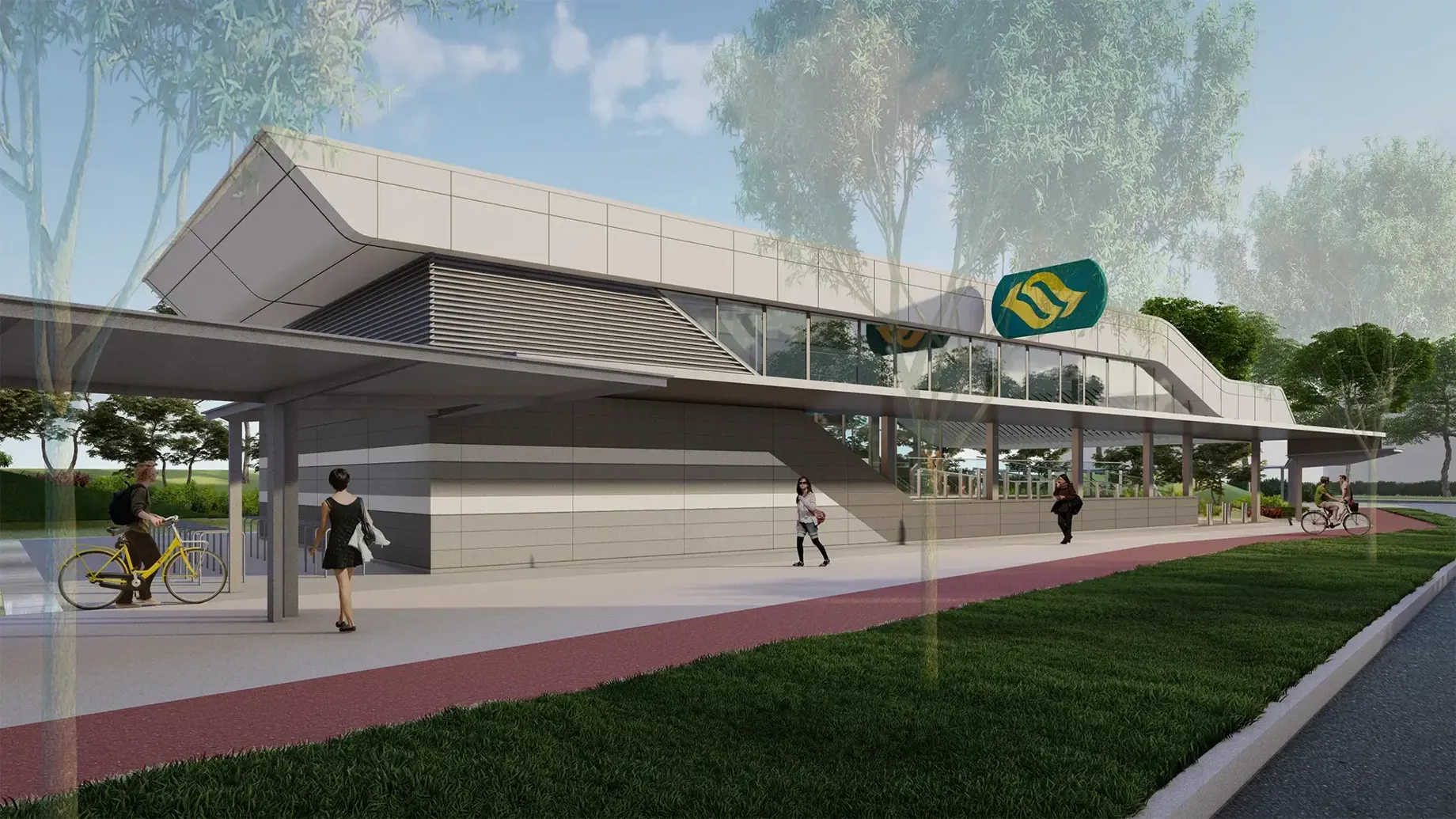
Singapore’s Land Transport Master Plan aims for eight in ten households to be within a ten-minute walk of a train station by the 2030s. To support this goal, the Land Transport Authority (LTA) is delivering the Cross Island Line (CRL) – a mass rapid transit (MRT) line to serve Singapore’s eastern, western and north-eastern regions. CRL will be Singapore’s eighth and longest fully underground line, spanning over 50 kilometres.
We were engaged by LTA to provide multidisciplinary services for the development of the CRL, including feasibility studies and advanced engineering studies. We were also appointed by Gamuda–Wai Fong Joint Venture to deliver detailed design services for CR7 station and its associated tunnels, and by Samsung C&T Corporation for the detailed design of CR8 station and its associated tunnels.
Once operational, the CRL will reduce travel times and significantly enhance the resilience of Singapore’s rail network. It will also support major future developments such as Jurong Lake District, Singapore’s largest mixed-use business district outside the city centre. Stations along the CRL will include cycling paths and facilities to improve first and last mile connectivity, helping to create a more liveable city state.
Constructing near existing infrastructure and biodiversity areas
Working closely with LTA, our feasibility studies focused on optimising station locations and tunnel routes that minimise disruption to the surrounding natural landscape and built environment. We conducted detailed analysis of nearby building foundations to ensure underground construction could proceed safely and efficiently. Beyond engineering considerations, connectivity was prioritised through the provision of convenient station accesses to essential amenities such as schools, polyclinics and markets. To enhance walkability and comfort, covered walkways linking these facilities to station entrances are also considered.
To determine the ideal station orientation, we evaluated multiple layouts, before determining the optimal solution. This process involved navigating around existing infrastructure, such as the West Coast Highway and the Deep Tunnel Sewerage System link sewers.
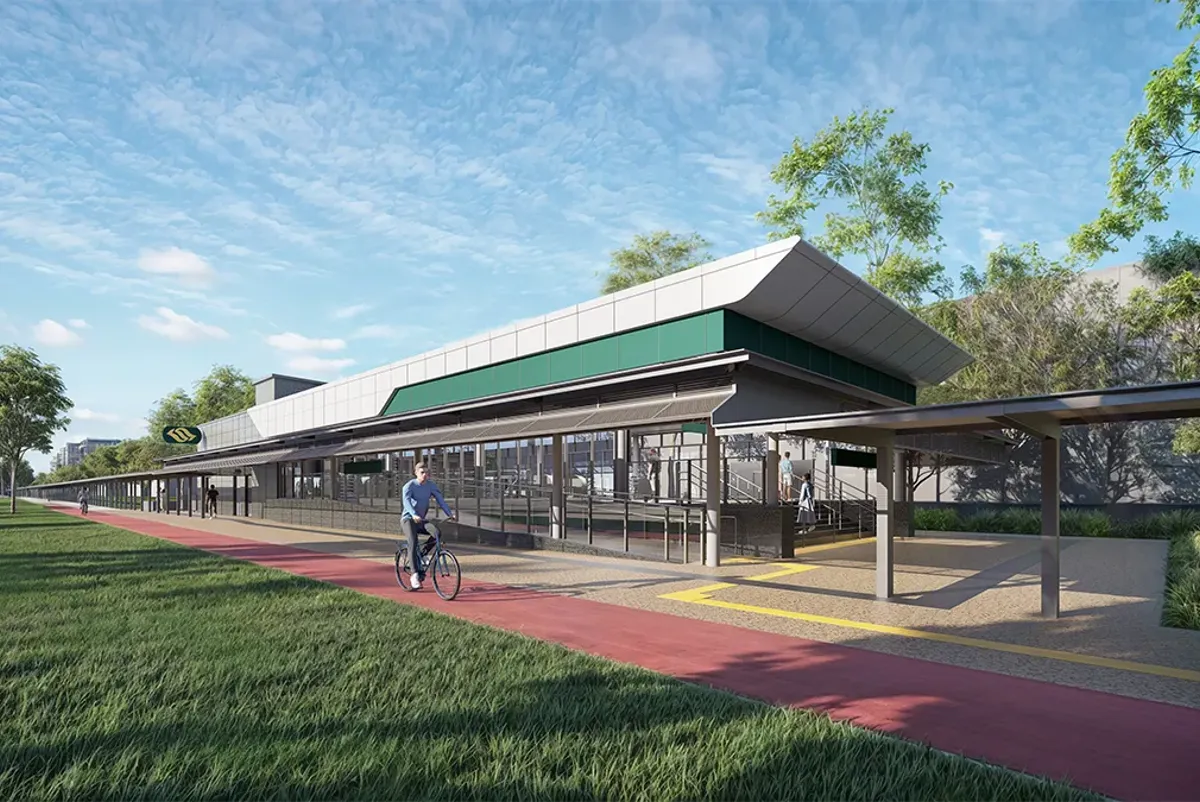
Artist illustration of CR7 station © SAA Architects
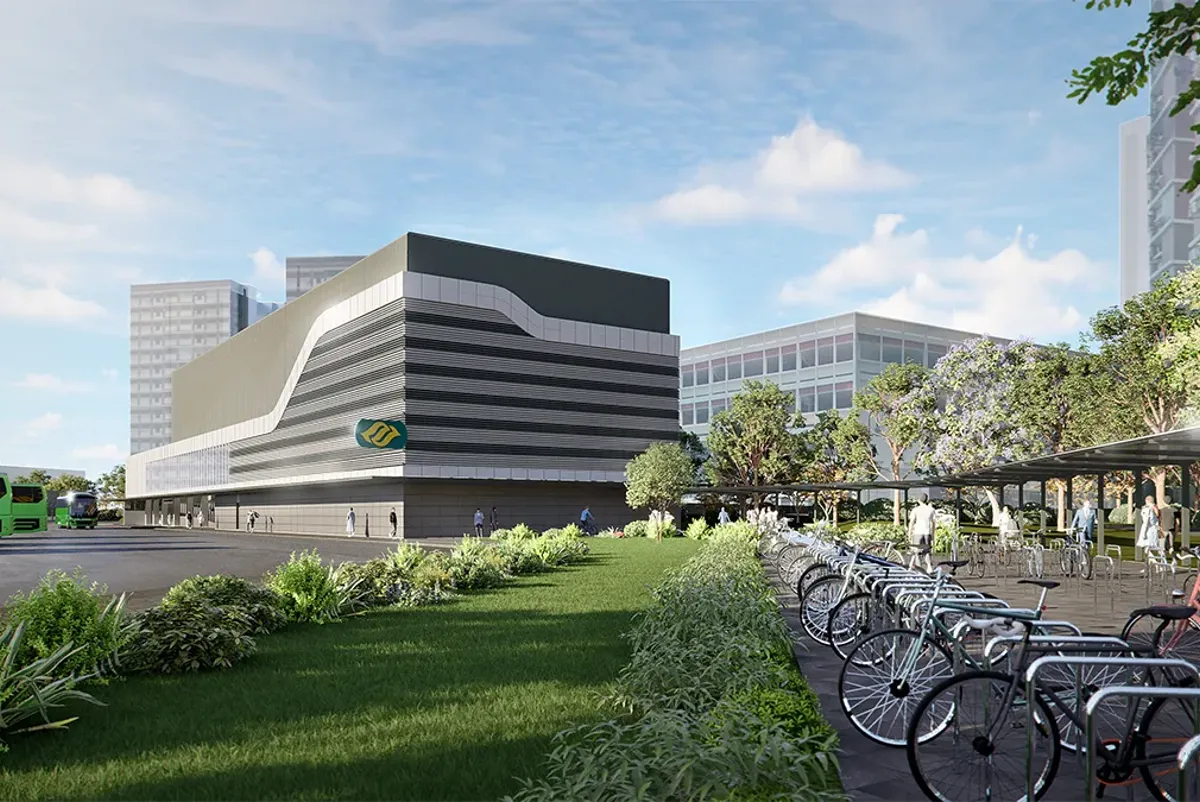
Artist illustration of CR8 station © SAA Architects
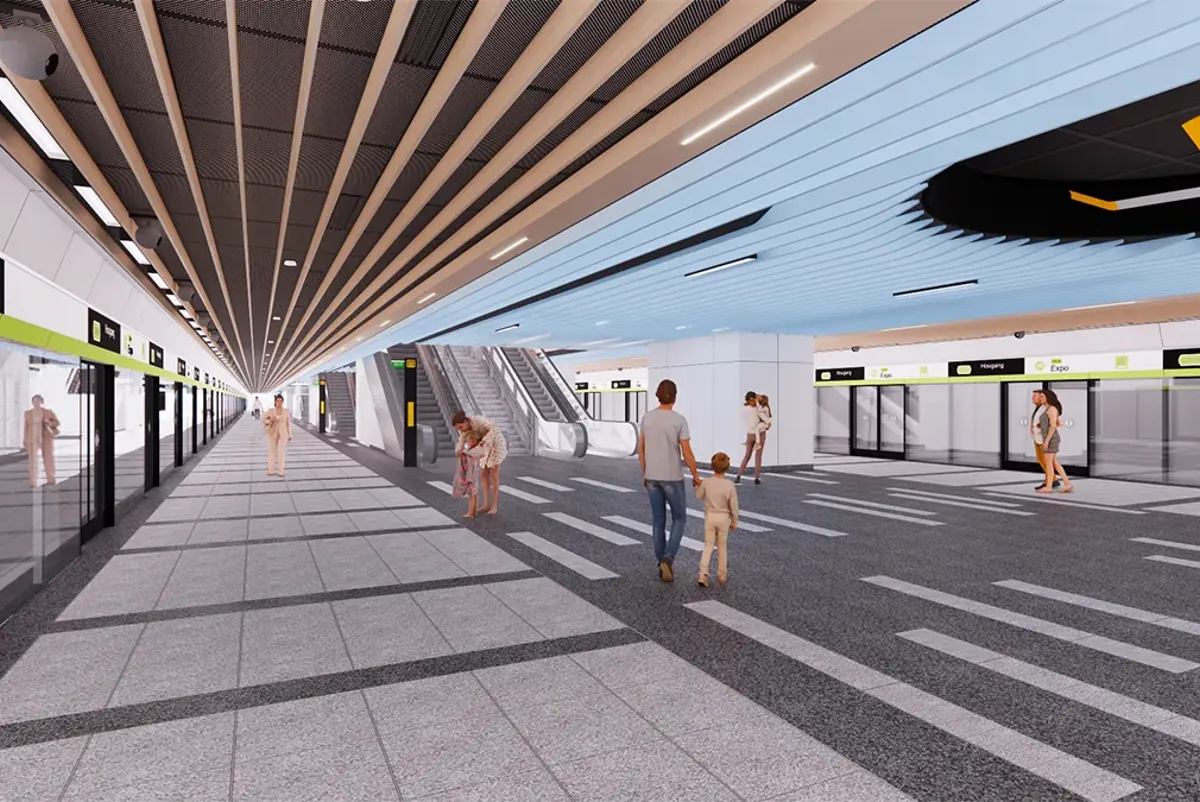
Artist illustration of CR8 station platform © SAA Architects
Construction of underground walkway at CR17 Clementi station
Below Clementi station, we designed underground pedestrian walkways that pass beneath Commonwealth Avenue West. To avoid major utility diversions and protect the nearby East-West Line viaduct from settlement, we recommended a trenchless construction method which involved pipe jacking and mining. This approach involved installing a steel pipe ‘raft’ beneath the road via shafts at either end. This structure supported the surrounding soil, ensuring robustness and enabling safe excavation without disrupting traffic and transmission utilities, resulting in significant time and cost savings.
Tunnelling deep underground to protect a nature reserve
To connect across the island, a stretch of the CRL needs to run near the Central Catchment Nature Reserve (CCNR), Singapore’s largest nature reserve which is home to over 2,000 hectares of forest. We were engaged by LTA to conduct feasibility studies for the two alignment options: direct alignment under the CCNR using a single bored tunnel, and a skirting alignment which goes around the CCNR using twin bored tunnels, which would result in longer travel times for commuters.
After in-depth studies of the two underground alignment options and extensive public consultations with various stakeholders, the Government decided on the direct alignment option which will run 80 metres deep under the CCNR. The typical tunnelling depth for LTA’s rail projects is approximately 20 to 30 metres below average ground level.
Using our digital platform for greater collaboration and communication
We used Fuse, Arup’s proprietary digital platform, to bring all project data together. By unifying information from multidisciplinary disciplines into one place, Fuse enabled our team and external stakeholders to see a clear view of our designs and a greater level of coordination and collaboration.
The tool automated complex spatial analysis, allowing us to quickly assess the impact of proposed alignments on existing infrastructure and environmental conditions. What once required manual, structure-by-structure reviews could now be handled efficiently, dynamically and at scale, saving both time and cost.
Fuse also enabled more meaningful communication by providing detailed 3D station models within the platform. The tool supports our creative and collaborative approach to our work, drawing on our breadth of expertise, bringing together diverse disciplines and teams, and driving informed decision making throughout the project lifecycle.
Projects
Explore more rail projects:

Designing a safe, sustainable tramway for Colombia's second largest city
80th Avenue Medellín Tramway, Colombia

Shaping a resilient rail future for Singapore
Singapore Rail Test Center, Singapore

Accelerating the redevelopment of stations across India
Design Handbook for Modular Railway Stations, India

Establishing the alignment for a high-speed train between Dallas and Houston
Texas Central High-Speed Train, USA
Get in touch with us
If you'd like to speak to one of our rail experts about any of the issues raised on this page or a potential collaboration then please get in touch by completing the form.
