
A first-class passenger experience
Delta Air Lines’ new Terminal C at LaGuardia Airport (LGA)

New York’s LaGuardia Airport (LGA) had long been known for its outdated infrastructure and low customer satisfaction rates. Arup partnered with Delta Air Lines, LGA’s largest carrier, to consolidate Terminal C and D into a dazzling state-of-the-art facility, featuring 37 gates across four concourses. Arup’s comprehensive technological integration across every function of the terminal has set a new benchmark for airports globally and will help define the future of air travel.
Arup led the creation of a long-awaited, integrated technology infrastructure that provides a customer-friendly journey for a safer and more sustainable future for travel. The seminal shift is digital, delivering a superior customer experience and improving operations while cutting energy costs and reducing carbon emissions throughout the terminal in a dual approach that maximizes overall success. A centralization of technology delivers pioneering levels of information access and smart operations for Delta, simplifying the check-in, security check and baggage claim touchpoints.
The integrated technology approach is fundamental in providing an information-rich journey, for a more intuitive and bespoke experience with digital wayfinding signage from the roadway to the gates with customizable information. QR code-accessible screens throughout the terminal support passengers with updates and insights for a dynamic and hands-free signage option, drastically improving the customer journey and operations management. Data analytics and insights were implemented using an overarching technology platform, gathering data across the terminal’s subsystems through customizable Arup dashboards. From the outset, we envisioned an agile, integrated technological platform with an assignment to develop an IT master plan for a complete electrical engineering overhaul.

Data analytics and insights
With millions of passengers walking through the doors every year, visitor and staff operations need to be efficient while reducing energy consumption.
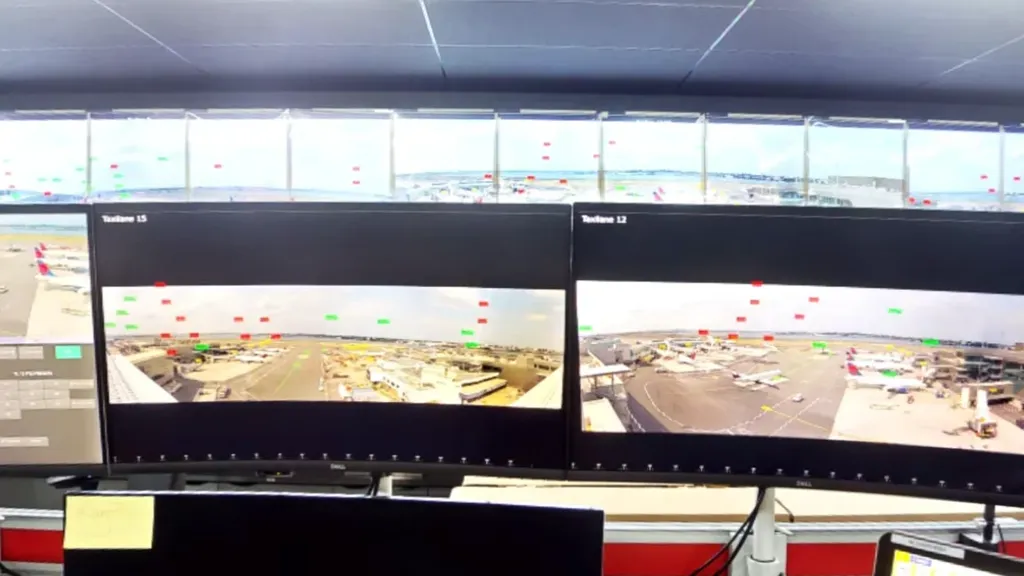
Arup’s overarching technology platform functions as an information broker integrated through the vast terminal. The system gathers data displayed through dashboards with relevant sets of information and interfaces for different users. Facilities Operator’s Dashboards feature detailed information about interior lighting and heating, while Ramp Operator’s monitors provide ramp activity insights with various functions, such as fault-diagnostic emails that signal a potential problem.
Dashboards can visualize operations in terms of energy consumption, where Delta can see where reducing runtime can increase efficiencies. Since the largest airport power consumers are baggage and airplane ramp services, being able to control HVAC on and off times alone can decrease ramp service usage by up to 87% for significant energy savings. Data sets are accessible and actionable through interfaces designed with graphics and information to provide context to the end-user’s specific needs.
From IT master plan to implementation
Delta subsequently approached Arup to lead the platform implementation. The role involved developing the complex and time-consuming systems that increased the current constant delays and inefficiencies throughout the terminal. The solutions included oversight controls designed to monitor and improve conditions, with automated Dashboard systems responding to occupancy and usage. The technology is set up to sense safe distances between passengers, such as waiting lines during designated ticketing, TSA, and taxi areas.
Discovering how technology can impact operations has enabled the implementation of a comprehensive, integrated technology system and control rooms. These are the vanguard of delivering smart, actionable information for all airport terminals, with the ever-increasing expectations of customer service and operational efficiencies.
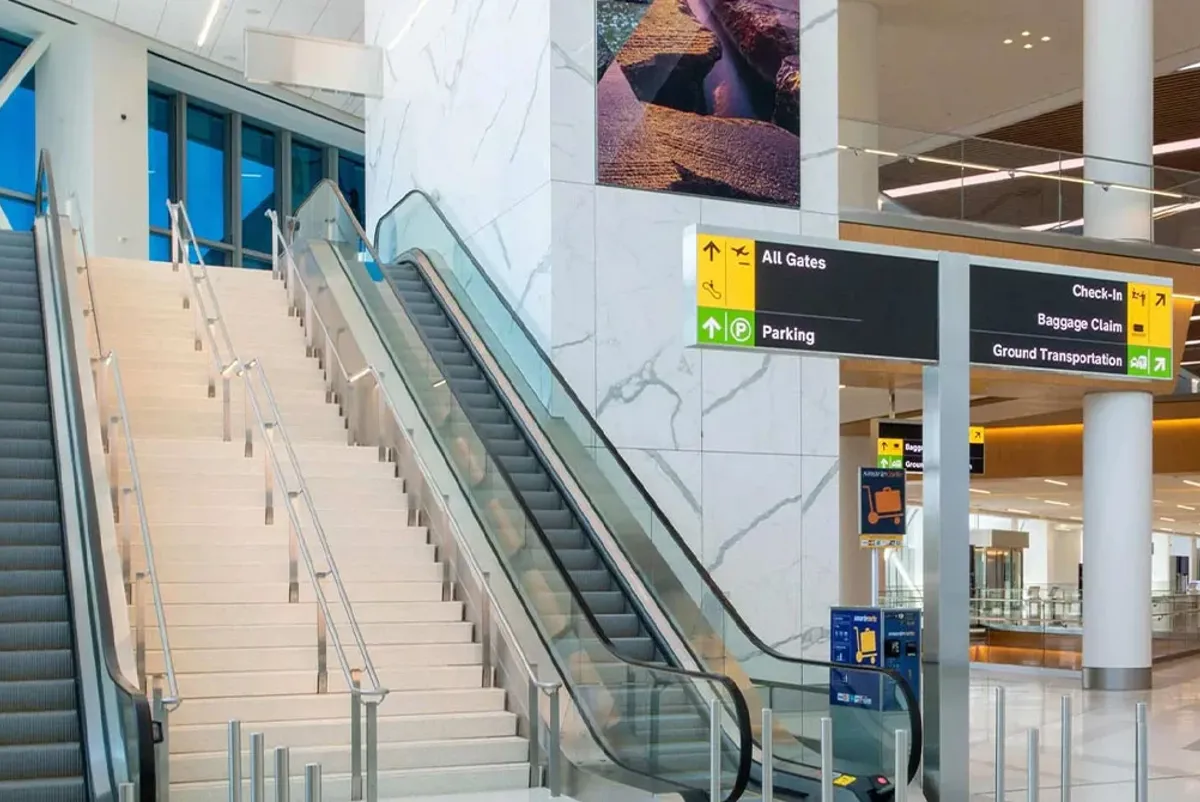
Departures hall in Terminal C
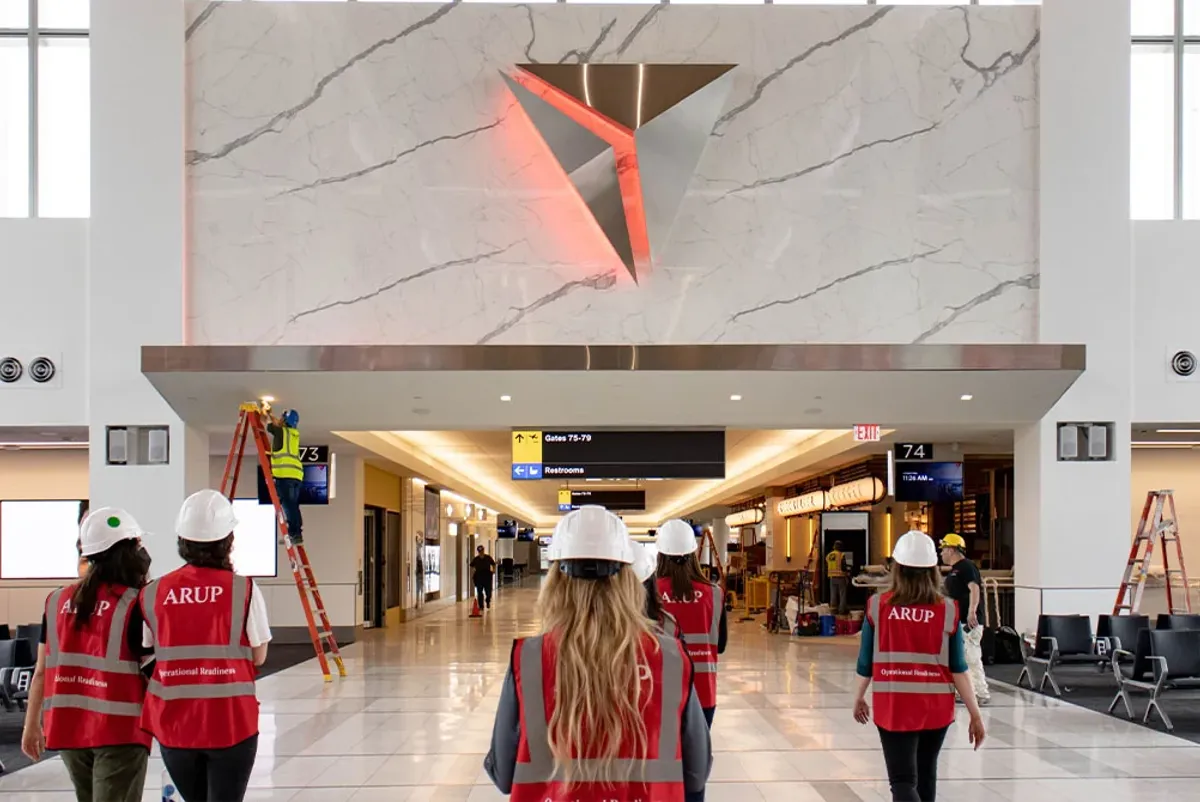
Members of the Arup team on site in Terminal C
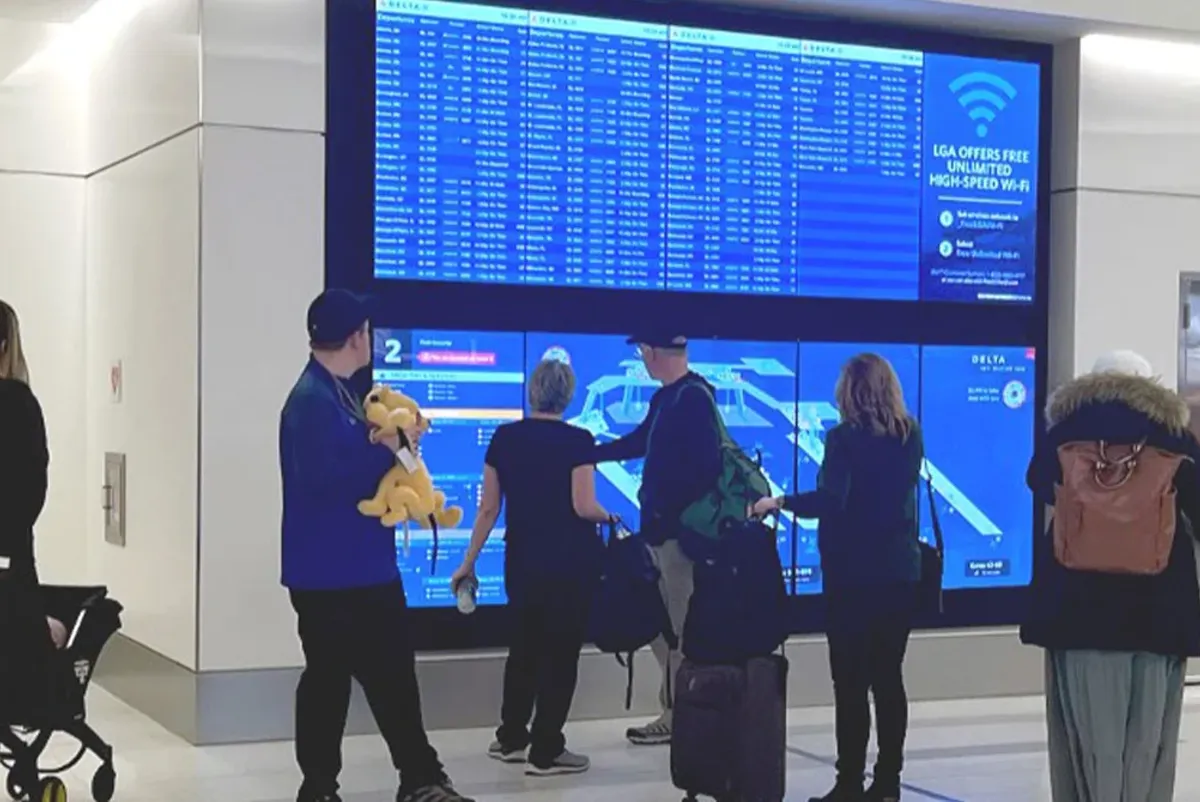
Passengers review the live information board at LaGuardia Airport.
Projects
Explore more aviation projects:

Redefining Japan’s future airport city
Narita Airport City, Japan

Transforming the travel experience at Zayed International Airport
Zayed International Airport Terminal A, United Arab Emirates

Crafting a New York–inspired atmosphere for passengers traveling through JFK’s global gateway to the world
JFK New Terminal One Art, Branding, and Digital Experience Program, USA

Helping Vancouver International Airport to prepare for unexpected weather
Vancouver International Airport After Action Review, Canada
Get in touch with us
If you'd like to speak to one of our aviation experts about any of the issues raised on this page or a potential collaboration then please get in touch by completing the form.
