
Smart building model to aid energy-efficient refurbishment of existing buildings
Demonstrator Energy Efficiency Potential (DEEP)
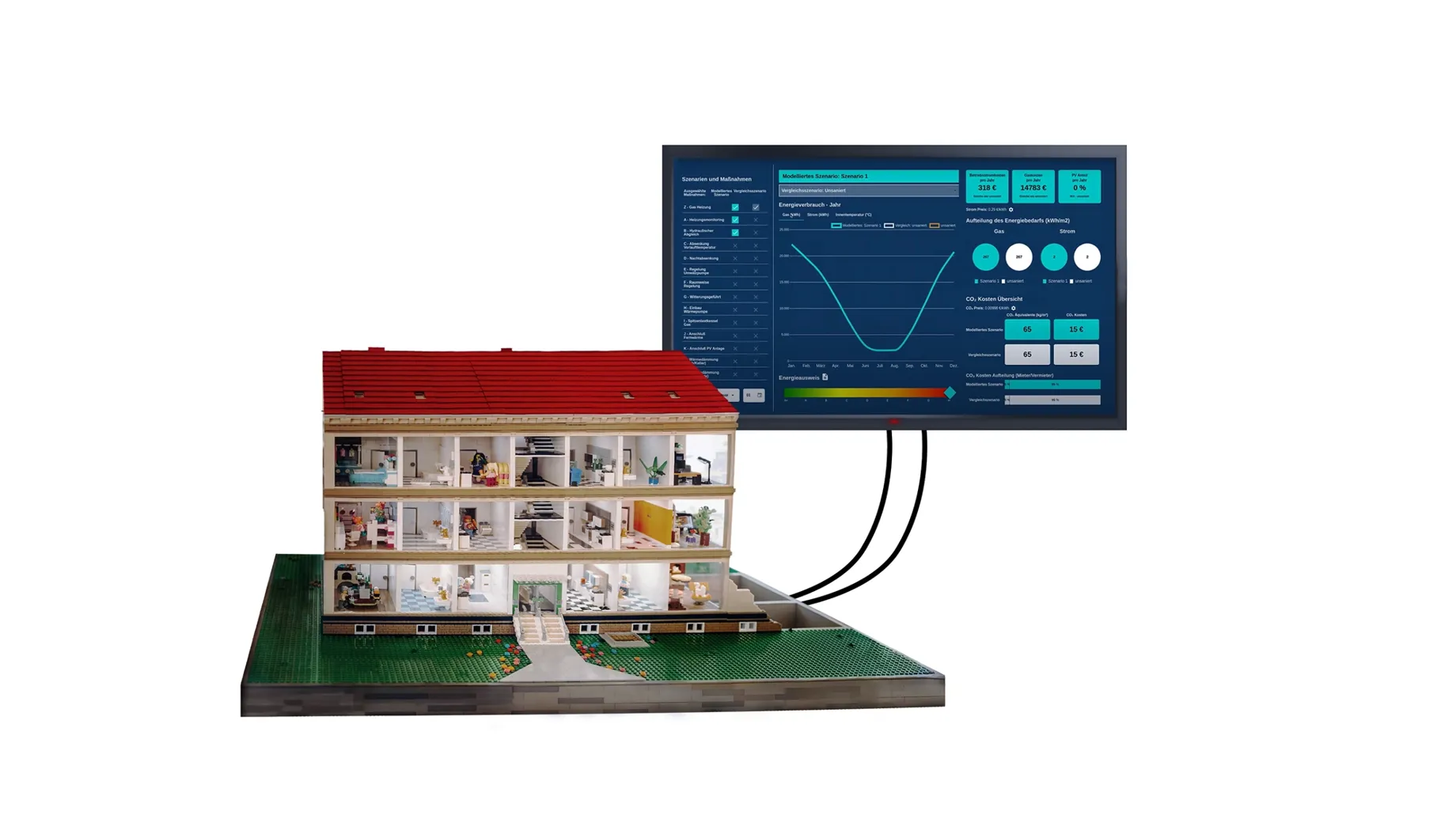
Almost three quarters of the EU's building stock is not energy efficient. There is an urgent need to catch up in order to achieve the climate targets that have been set. The Energy Efficiency Potentials (DEEP) demonstrator is intended to enable both experts and non-experts alike to recognise the potential of energy-efficient renovations more quickly and easily and thus make more informed decisions for their buildings.
Arup developed the Energy Efficiency Potentials (DEEP) demonstrator on behalf of the Competence Centre for Energy Efficiency and Digitalisation (KEDi) of the German Energy Agency(dena). The haptic model is designed in the style of apartment blocks from the 1950s and 1960s. By making small structural adjustments, such as switching on individual elements that represent typical refurbishment measures, users can play through various scenarios of energy refurbishment.
Play through scenarios, understand connections
DEEP combines physical and digital components and is based on a comprehensive selection of predefined, GEG-compliant and dynamic energy simulations. The modular building components are equipped with sensors that allow users to choose from 16 refurbishment scenarios that represent typical refurbishment progress. The scenarios include a photovoltaic system on the roof, insulation of the building envelope, digital measures for heating operation and switching from gas heating to alternatives such as heat pumps or district heating. The changed values for energy consumption and costs are then shown in real time on a touch display. The values can be broken down into annual, monthly and daily consumption. This information helps to better understand the various options for energy-efficient refurbishment and thus to make more informed decisions.
We received support in the development of the terminal building block model from the Berlin-based Bryx Agency, a specialised marketing and communications agency. In a total of six residential units, small model people live in the house made of more than 20,000 Klembau bricks. All living areas and technical details are attractively designed and decorated. Five optical and mechanical sensors and two microcontrollers control the functions, supplemented by an electronic control panel.
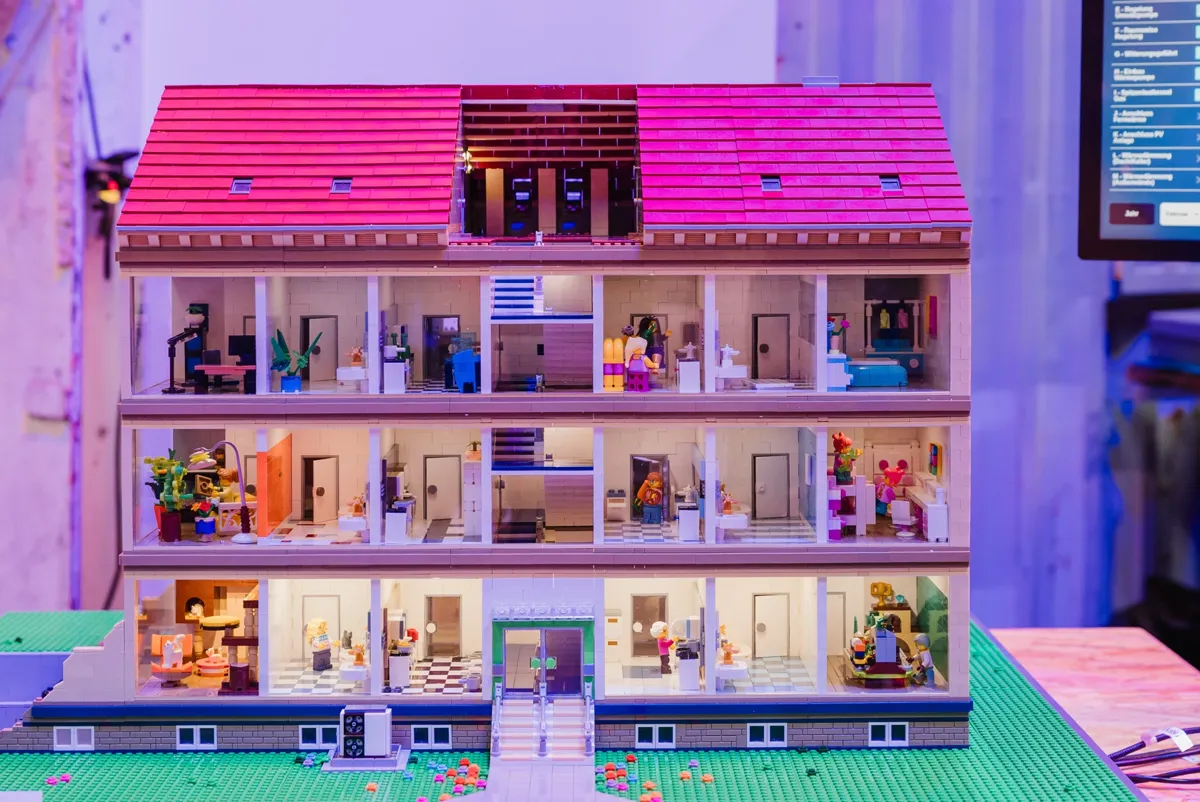
The Energy Efficiency Potentials (DEEP) demonstrator can be used to make well-founded decisions on the decarbonisation of buildings.
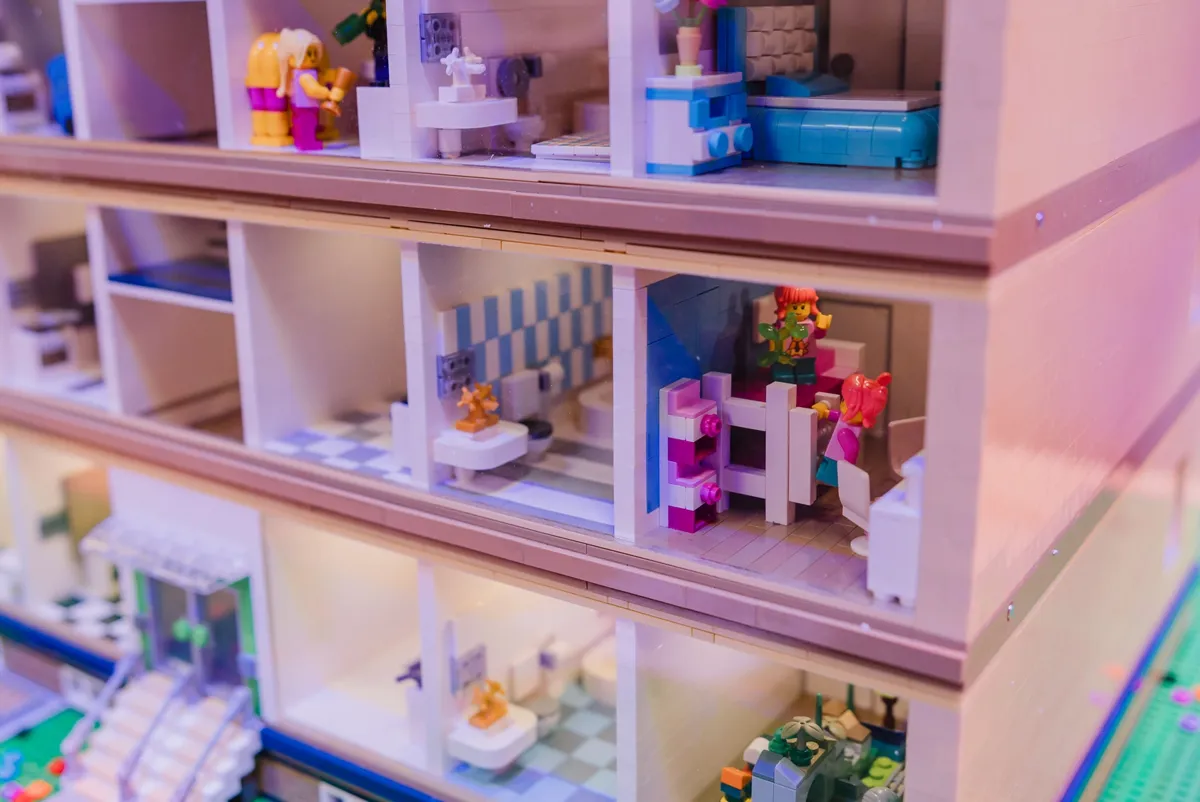
The house, which is made from over 20,000 clamp-on bricks, is inhabited by little model people in a total of six residential units.
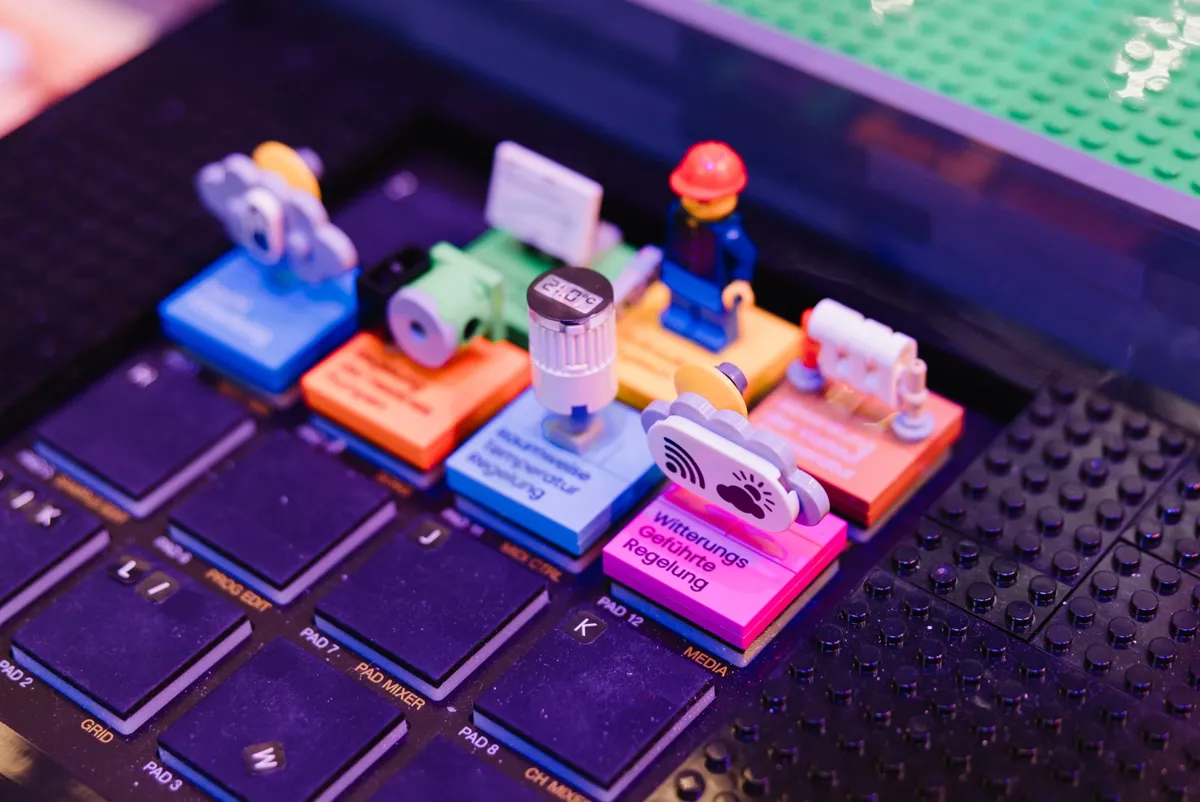
There are 16 refurbishment scenarios to choose from, reflecting typical refurbishment progress.
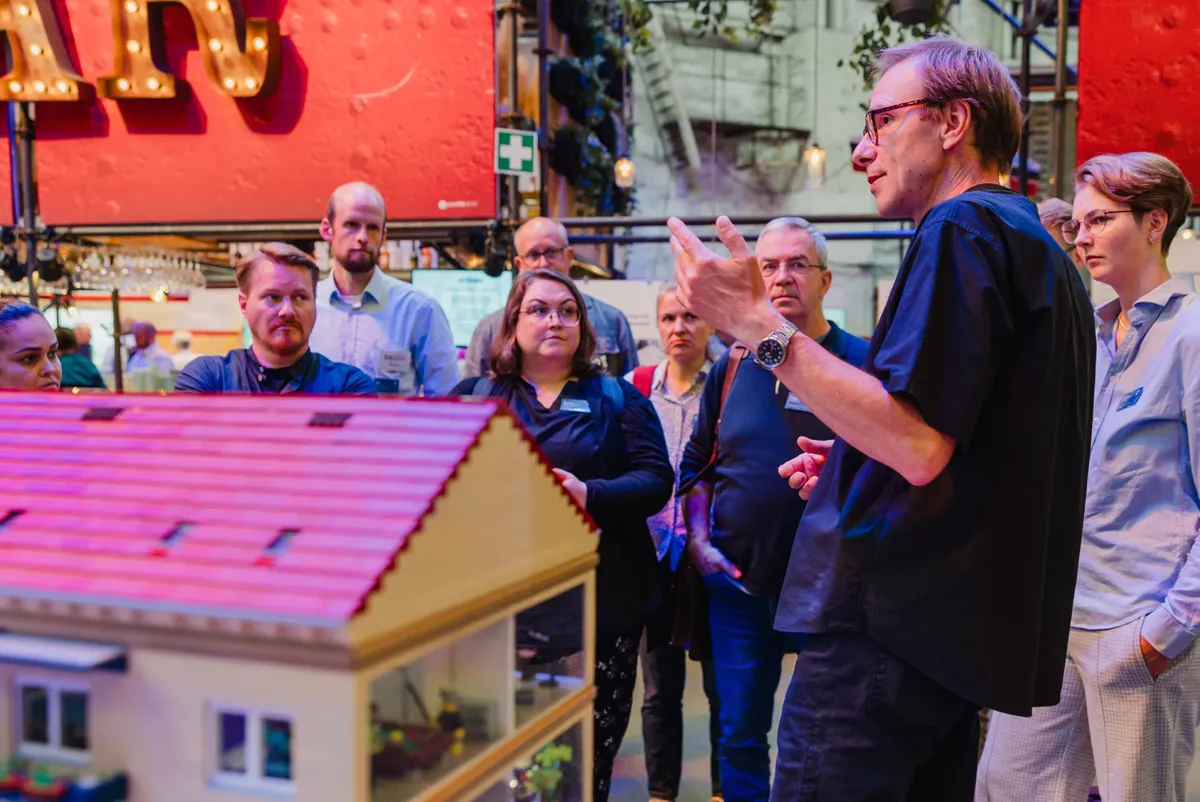
Whenever possible, DEEP is presented to interested visitors at major events.
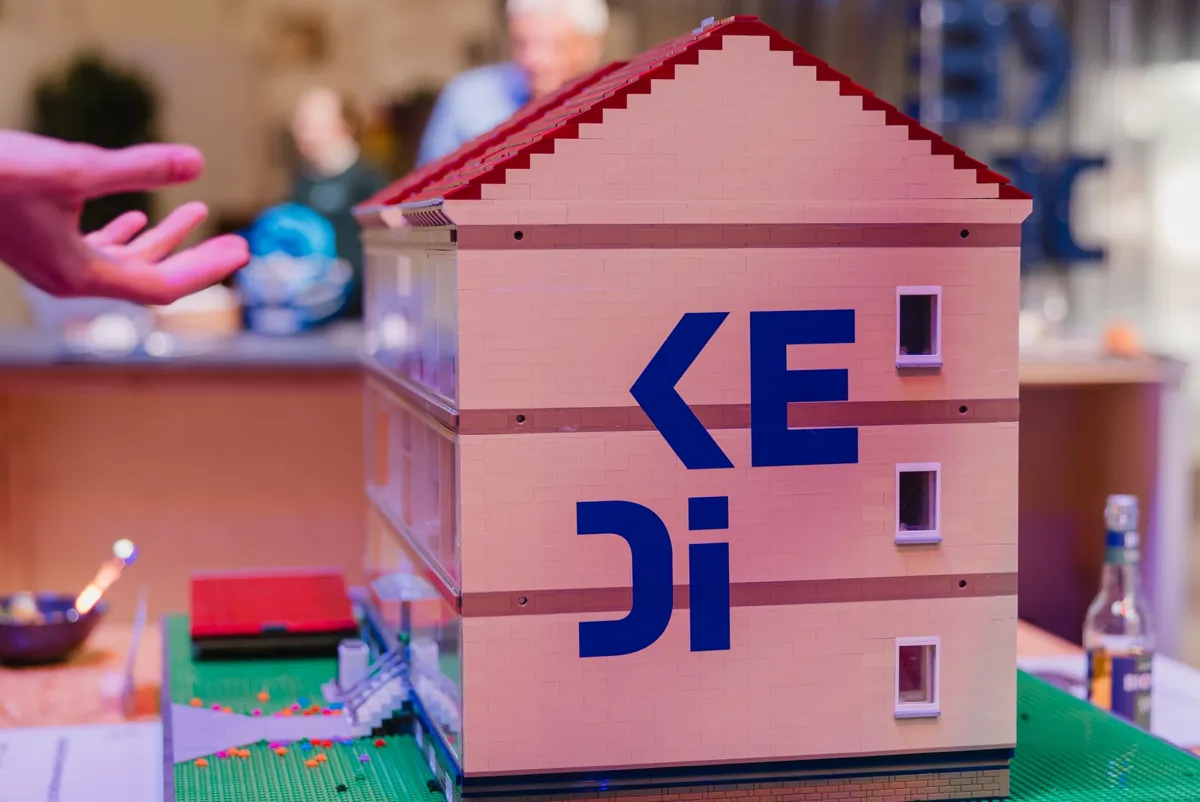
Arup developed DEEP on behalf of the Competence Centre for Energy Efficiency and Digitalisation (KEDi) of the German Energy Agency (dena).
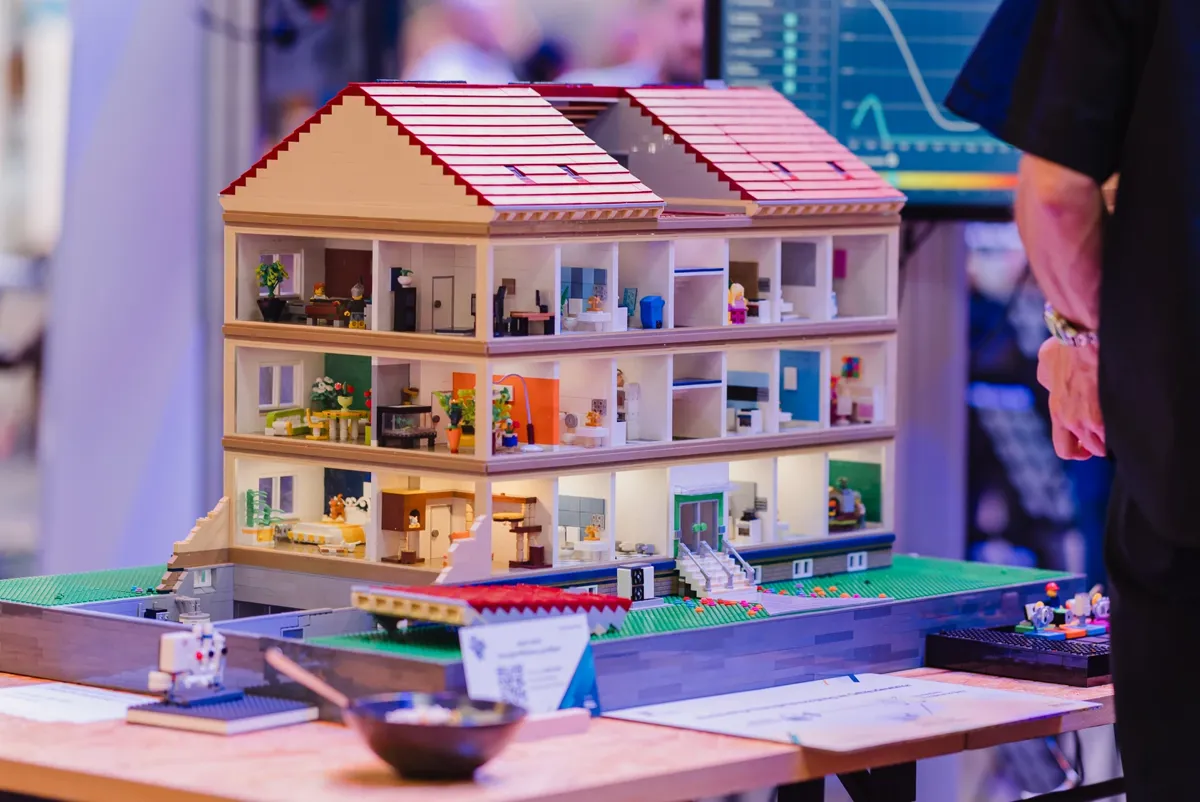
In terms of design, the haptic model echoes the style of apartment blocks from the 1950s and 1960s.
Recognising potential
In a second, directly linked project phase, the product was transferred to a freely accessible web version DEEP.digital for the public. Users can familiarise themselves with the model in a 60-minute webinar with a specialist or can directly access the tool themselves.
The Energy Efficiency Potentials demonstrator helps to dispel existing concerns about energy-efficient refurbishments and enables users to make informed decisions for their buildings.
Digital technologies can make a major contribution to increasing energy efficiency in the building sector. We see great opportunities in jointly expanding this innovative tool and making it accessible to a wider audience.
Bryx Agency, Berlin
Awards and honours
-
German Building Award 2026
Nominated in the Building in Existing Contexts category
Projects
Explore more property projects

Delivering a seamless user experience for a vibrant mixed-use development in the heart of Detroit
Hudson's Detroit, USA

Serving the greater Houston community with an accessible, cutting-edge facility
Houston Endowment Headquarters, USA

Seattle Convention Center’s Summit building breathes new life into Seattle’s urban core
Seattle Convention Center Summit building, USA

How can timber help to decarbonise housing construction in Africa?
Gatsby Africa, Kenya
Get in touch with us
If you'd like to speak to one of our property experts about any of the issues raised on this page or a potential collaboration then please get in touch by completing the form.
