
Designing a climate resilient stadium for the FIFA Qatar World Cup
Education City Stadium
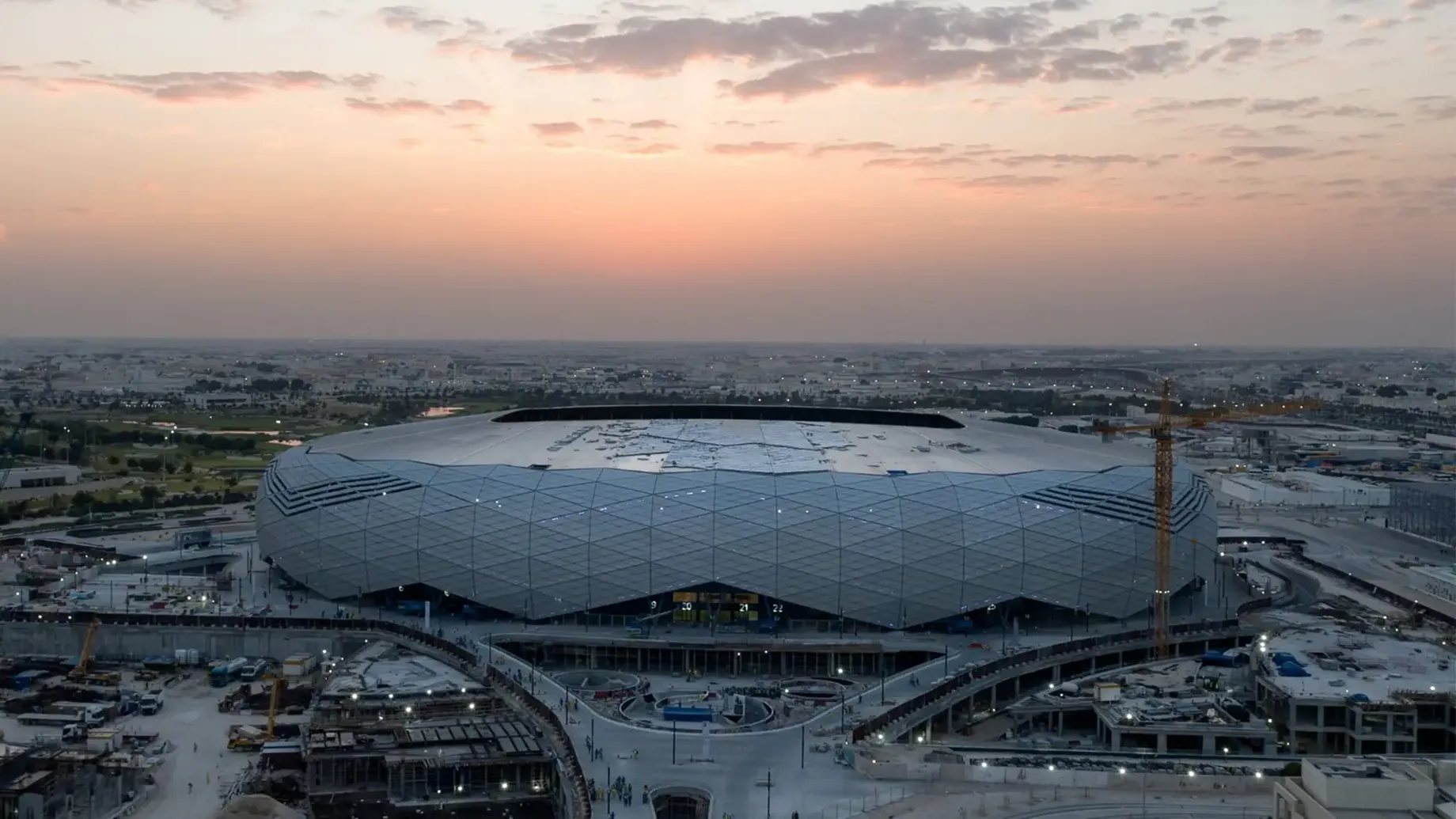
Working alongside renowned Fenwick-Iribarren Architects, Arup faced an ambitious challenge: deliver a world‑class, FIFA‑compliant stadium for the 2022 World Cup matches in Qatar’s extreme heat. This called for a LEED Gold‑targeted design to guarantee safety and comfort for players and spectators, even as external temperatures climbed beyond 40ºC.
This approach shaped the Education City Stadium and helped establish the cooling and comfort strategy for all subsequent Qatar 2022 World Cup venues. The result was a stadium that met stringent FIFA comfort and safety standards, while significantly lowering energy demand.
Arup proved that world class football can be played safely and sustainably in extreme climates. Our integrated engineering, passive cooling innovations, and climate responsive design set a new global standard for future stadiums facing similar environmental challenges.
Climate responsive design for players and spectators
As one of the first stadiums designed for the FIFA 2022 World Cup, the project set performance standards that subsequent venues could follow, making Arup’s early technical decisions pivotal to the tournament’s overall design approach. Arup delivered a fully integrated service across structural, building services, façade, fire, civil, and stadium cooling engineering, security, ICT, and sustainability.
A key element of this work was a dedicated R&D programme focused on developing an effective cooling strategy for Doha’s extreme climate. Through this research, Arup identified a fundamental issue: traditional open-roof stadiums in such environments allow hot external air to enter the seating bowl, reducing cooling performance and potentially compromising player safety and spectator comfort under FIFA criteria.
To overcome this challenge, Arup’s specialists conducted complex computational fluid dynamics (CFD) simulations, complemented by wind tunnel testing to understand how hot air moves around and within the stadium. This research guided the development of a bespoke roof geometry to act as a passive system, shaped to shield the seating bowl from the external climate, while allowing sufficient natural light for pitch growth.
The roof shape and materials inherently reduce reliance on energy intensive active mechanical systems such as air conditioning and all associated electrical demand. This enabled the stadium’s innovative cooling strategy to operate efficiently while maintaining FIFA‑compliant player safety and spectator comfort.
A modular approach to design and legacy use
Arup’s modular design for the stadium’s top tier meant the structure could be dismantled after the World Cup. The team built long term flexibility into the venue from the start through careful design, planning and detailing. This approach ensured the stadium could be efficiently adapted for its post tournament role, aligning with the client’s vision for a venue that delivers long term value rather than a single purpose event asset.
A LEED Gold vision for climate-adaptive sports architecture
The stadium was designed to target a LEED Gold certification rating, featuring sustainable design elements such as green roofs, photovoltaic and solar thermal panels, energy and water saving measures.
By laying the technical groundwork for every Qatar World Cup 2022 venue, Arup’s early innovation and research positioned the stadium as a defining benchmark for climate responsive sports architecture where performance, precision, and sustainability converge.
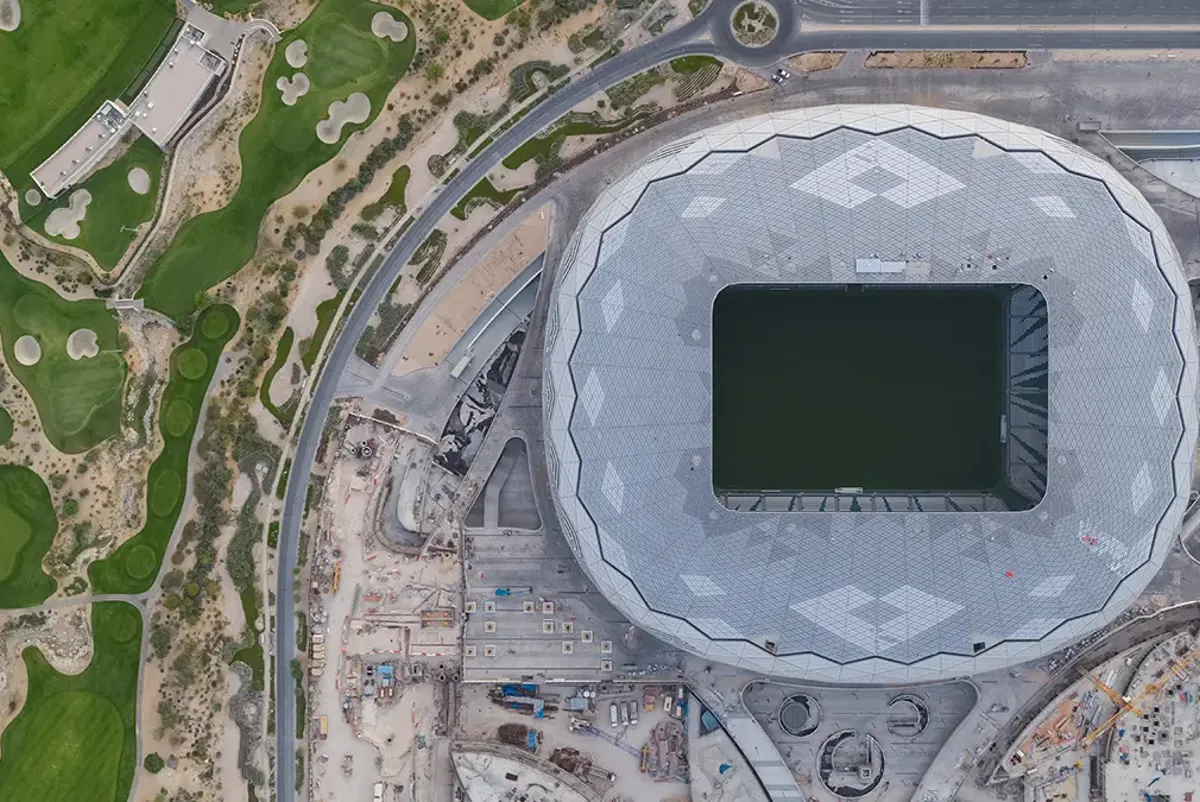
The roof shape and materials inherently reduce reliance on energy intensive active mechanical systems such as air conditioning and all associated electrical demand.
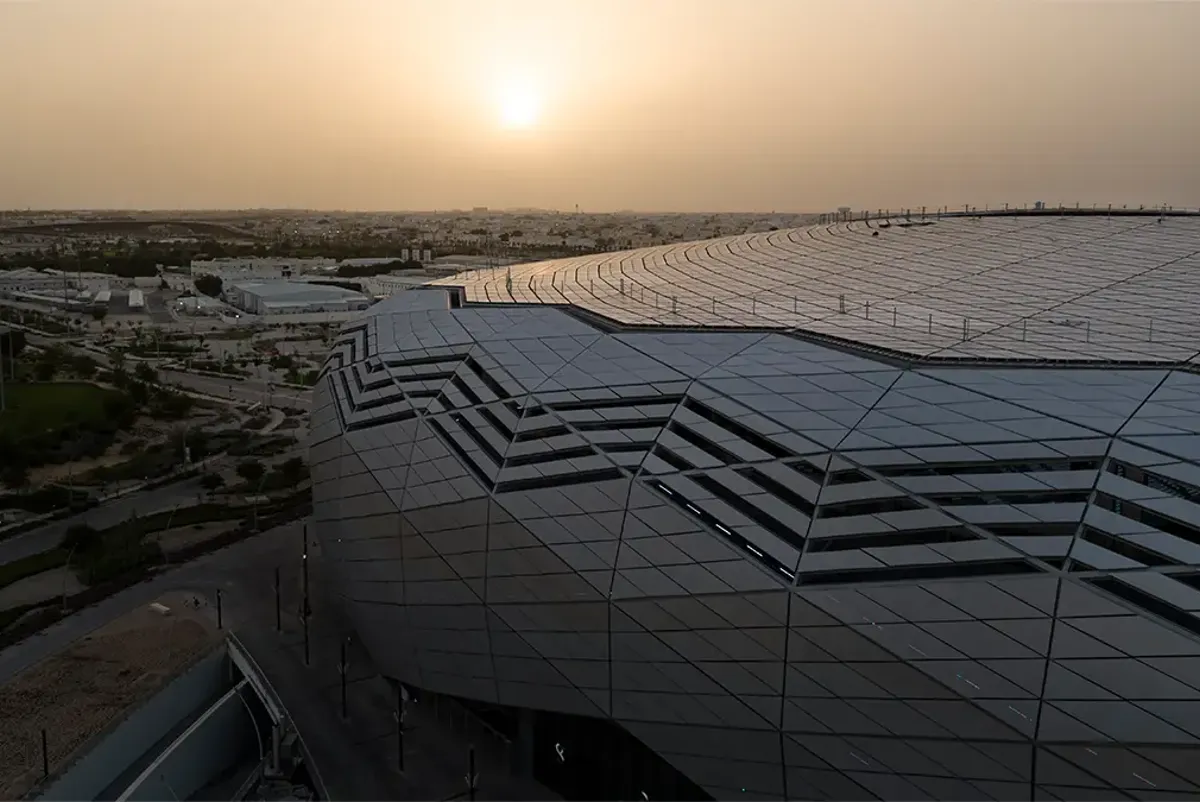
This modular design for the stadium’s top tier meant the structure could be dismantled after the World Cup.
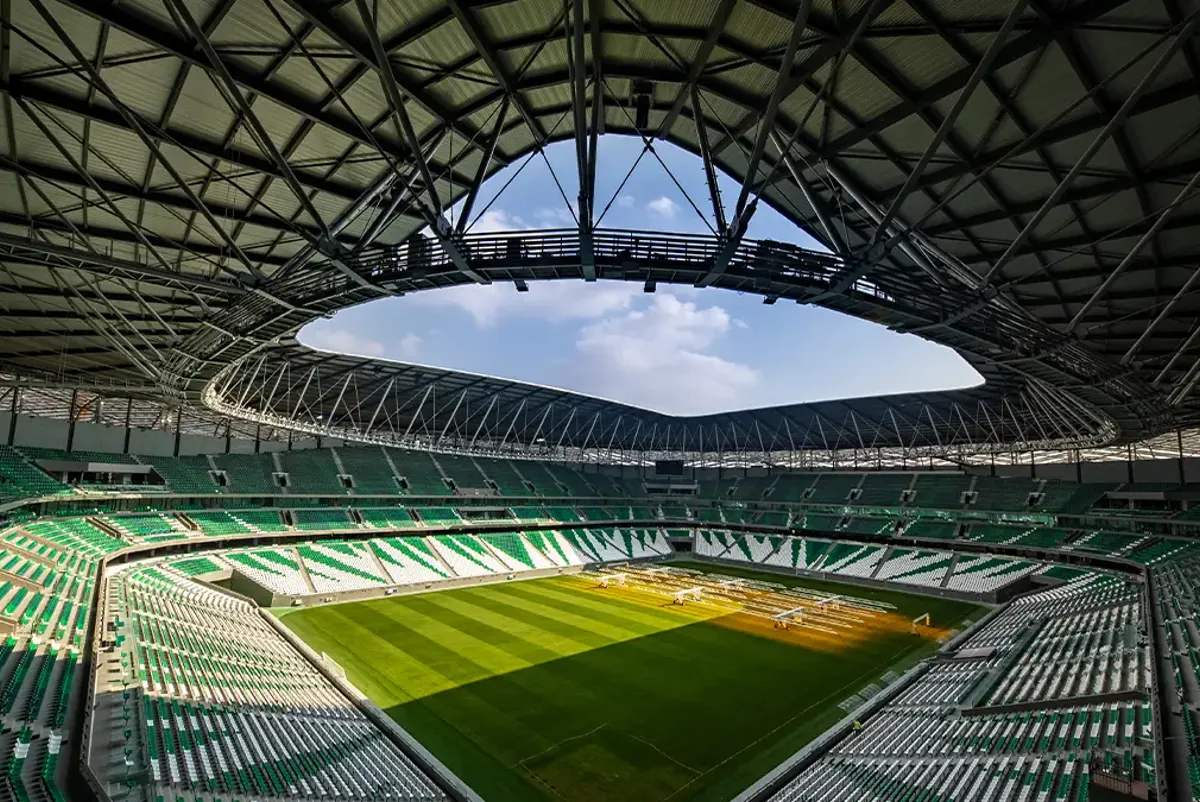
A bespoke roof geometry was shaped to shield the seating bowl from the external climate, while allowing sufficient natural light for pitch growth.
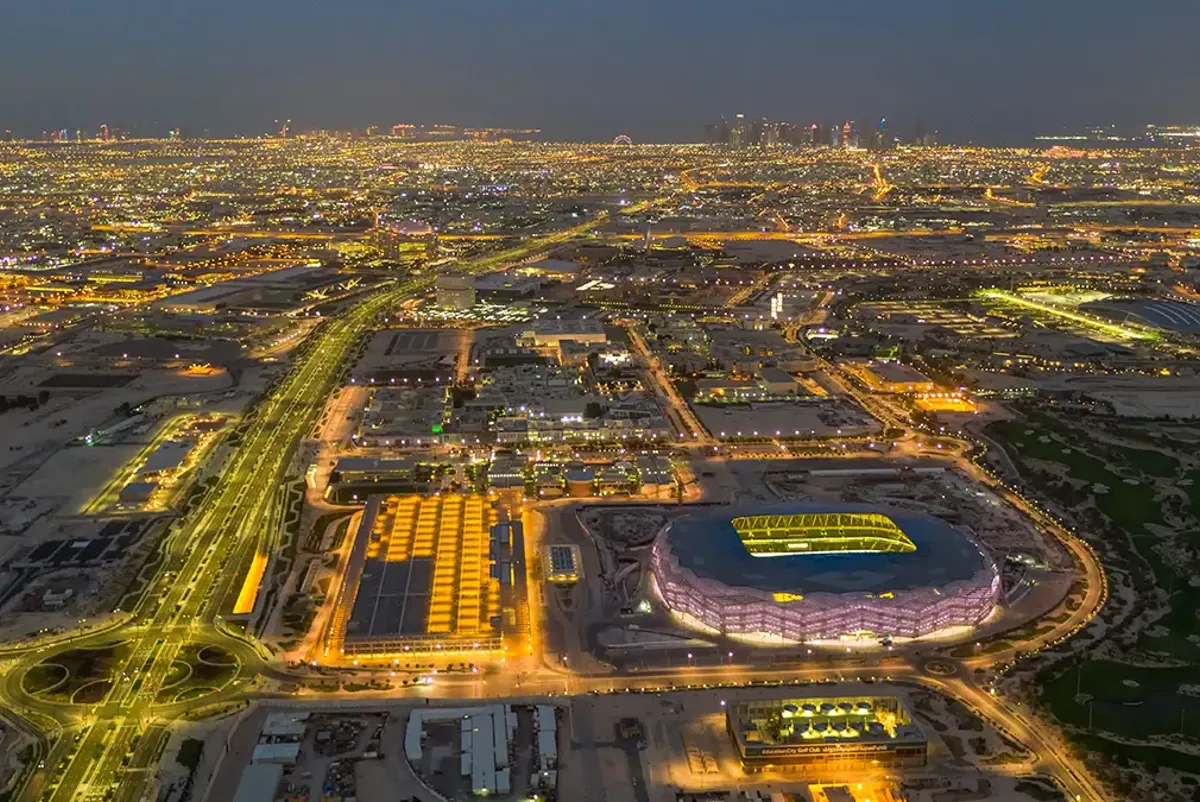
The result was a stadium that met stringent FIFA comfort and safety standards, while significantly lowering energy demand.
Learn more about our work on the FIFA World Cup Qatar 2022
Projects
Explore more sport projects

A world-class sports complex setting a new standard for sustainability
Harold Alfond Athletics and Recreation Center at Colby College

Supporting host cities in preparing for seamless operations and a lasting legacy for the FIFA World Cup 26
FIFA World Cup 26 Host Cities, Canada, Mexico, USA

Supporting Birmingham as bold 2022 Commonwealth Games hosts
Birmingham 2022, United Kingdom

Realising the ‘Pearl of the Orient’
Kai Tak Stadium, Hong Kong
Get in touch with us
If you'd like to speak to one of our sport experts about any of the issues raised on this page or a potential collaboration then please get in touch by completing the form.
