
Infrastructure masterplanning for a new mindfulness city in Bhutan
Gelephu Mindfulness City (GMC)
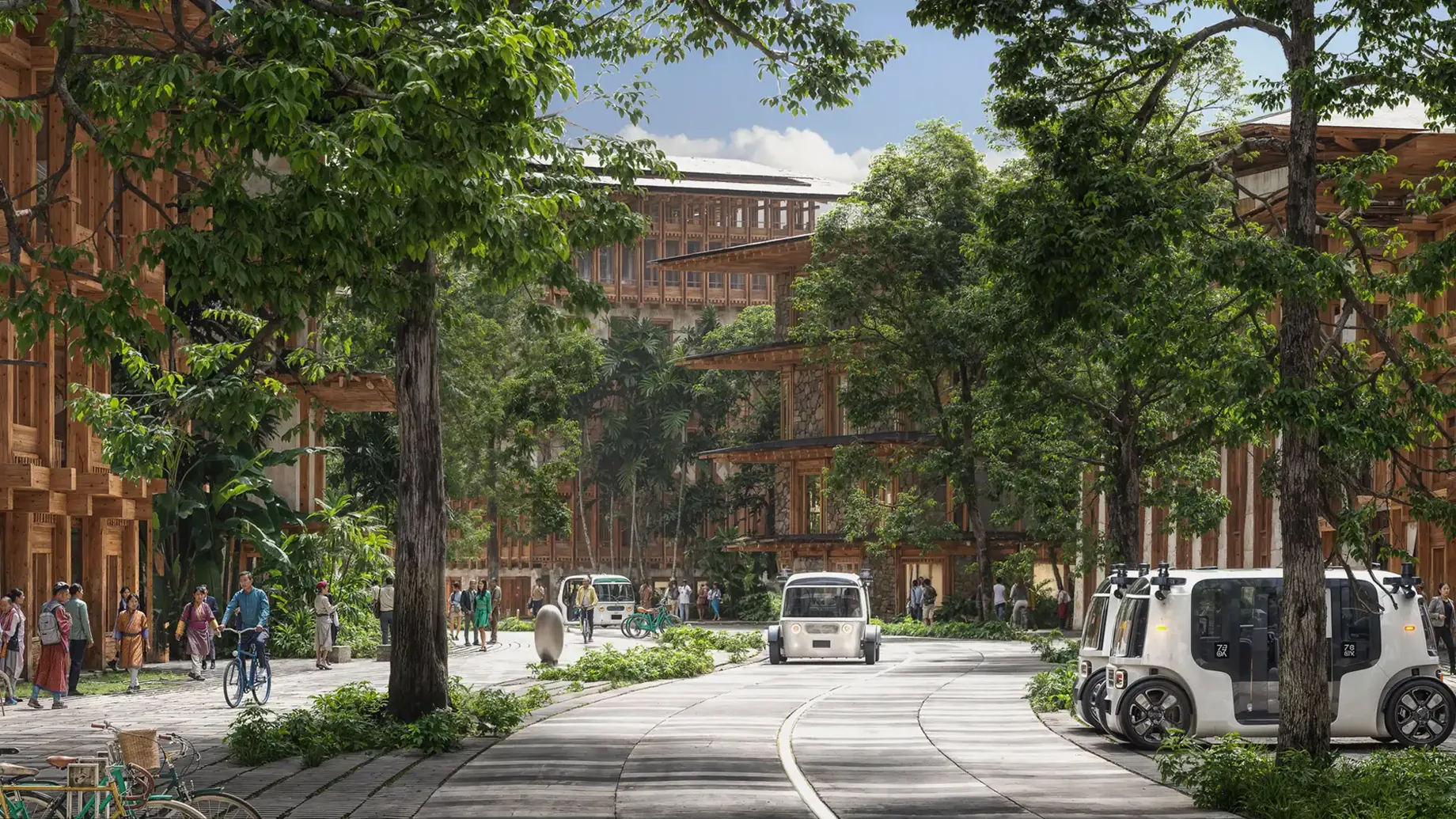
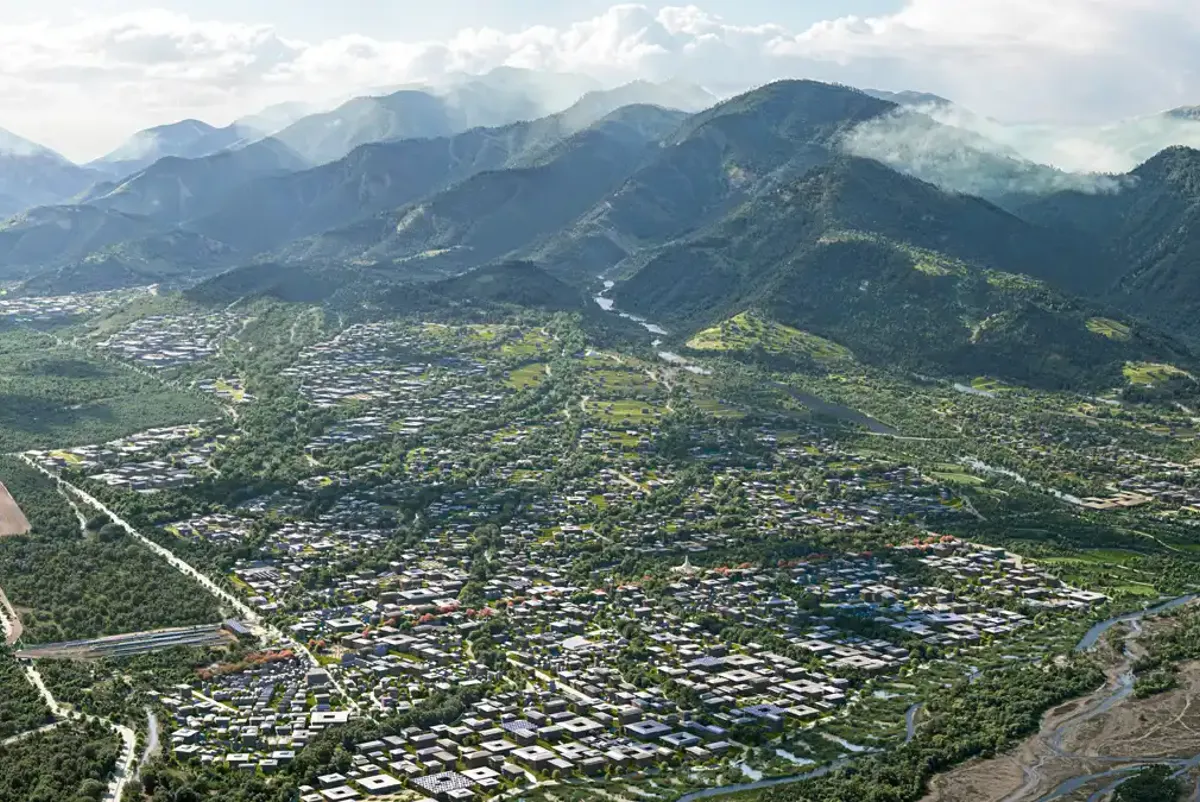
Gelephu Mindfulness City (GMC) is a transformative project to create a new city in the foothills of the Himalayas in Bhutan. The Royal Government of Bhutan needed a concept masterplan that promoted the sustainable use of natural resources, adapted to the impacts of climate change, and provided long-term employment opportunities for local Bhutanese.
Working with our masterplan partners, Arup delivered integrated infrastructure strategies for GMC’s transport, energy, water, waste, and digital infrastructure systems. This was underpinned by a broad sustainability framework which considered the natural hazards associated with the site and Bhutan’s focus on biodiversity, carbon-negativity and Gross National Happiness – the unique development philosophy that guides the country.
The concept masterplan brings together multidisciplinary expertise across a wide range of Arup services to create a robust framework, as well as to plan for the GMC’s long-term development.
The success of the project has been built on strong existing relationships with project partners, stakeholders and The Royal Government of Bhutan. We are continuing to support the project in the detailed masterplan stage for the early phases of the project.
Bhutan’s vision for the future is driven by preserving its culture and the environment while improving social and economic development for its citizens. It is the world’s only carbon negative country and a global biodiversity hotspot. Our multidisciplinary expertise supported GMC’s commitment to integrate sustainable living practices and traditional local values with world leading innovation and technology.
Underpinned by sustainability
Arup developed a sustainability framework to articulate and drive sustainability throughout the GMC concept masterplan. Its specific objectives, key performance indicators (KPIs) and targets were drawn from international best practice and aligned to Bhutan’s Gross National Happiness indicators.
The sustainability framework aims to be used throughout the project lifecycle from design through to construction and operation. It addresses key sustainability characteristics including walkable neighbourhoods, public transport, cultural preservation, local architecture and carbon neutrality. A key priority was to maintain Bhutan’s carbon-negative status, with a focus on renewable energy, electric vehicles, nature-based solutions, and locally sourced materials.
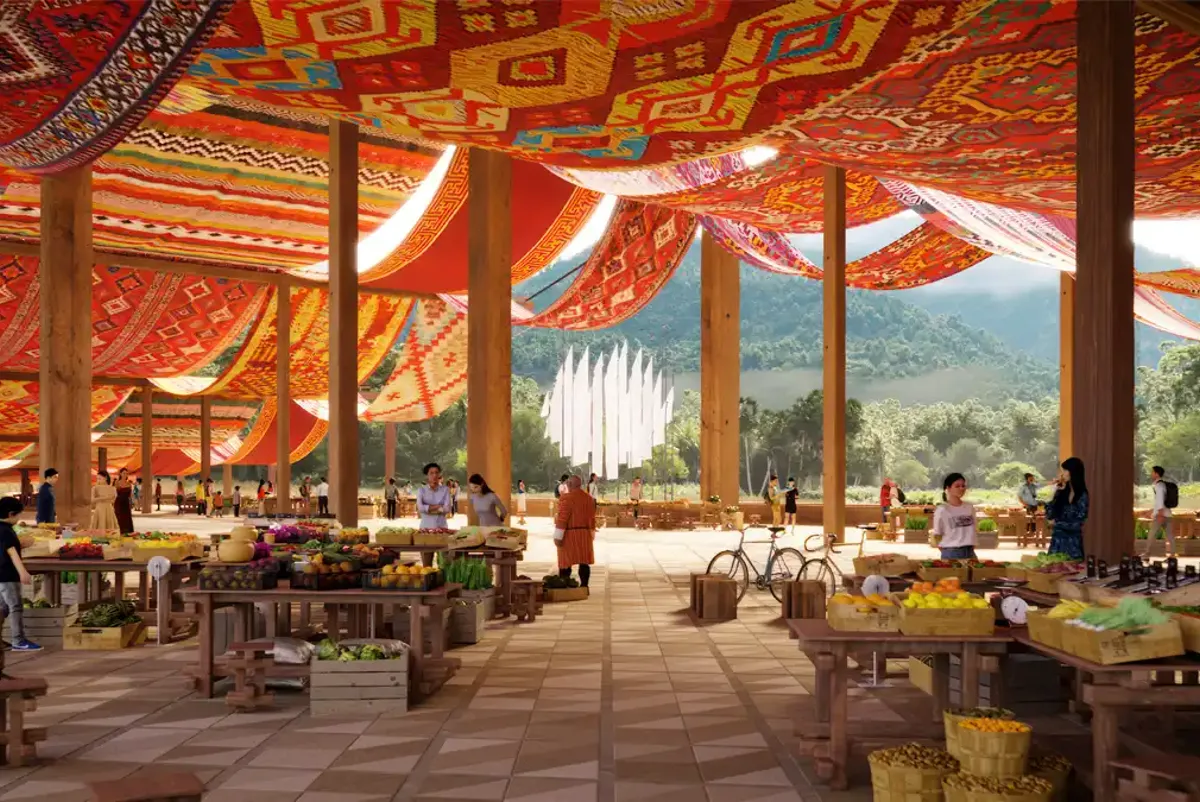
As the world’s only carbon negative country, Bhutan’s vision for the future is to improve the social and economic conditions for its citizens while preserving its rich culture and the environment.
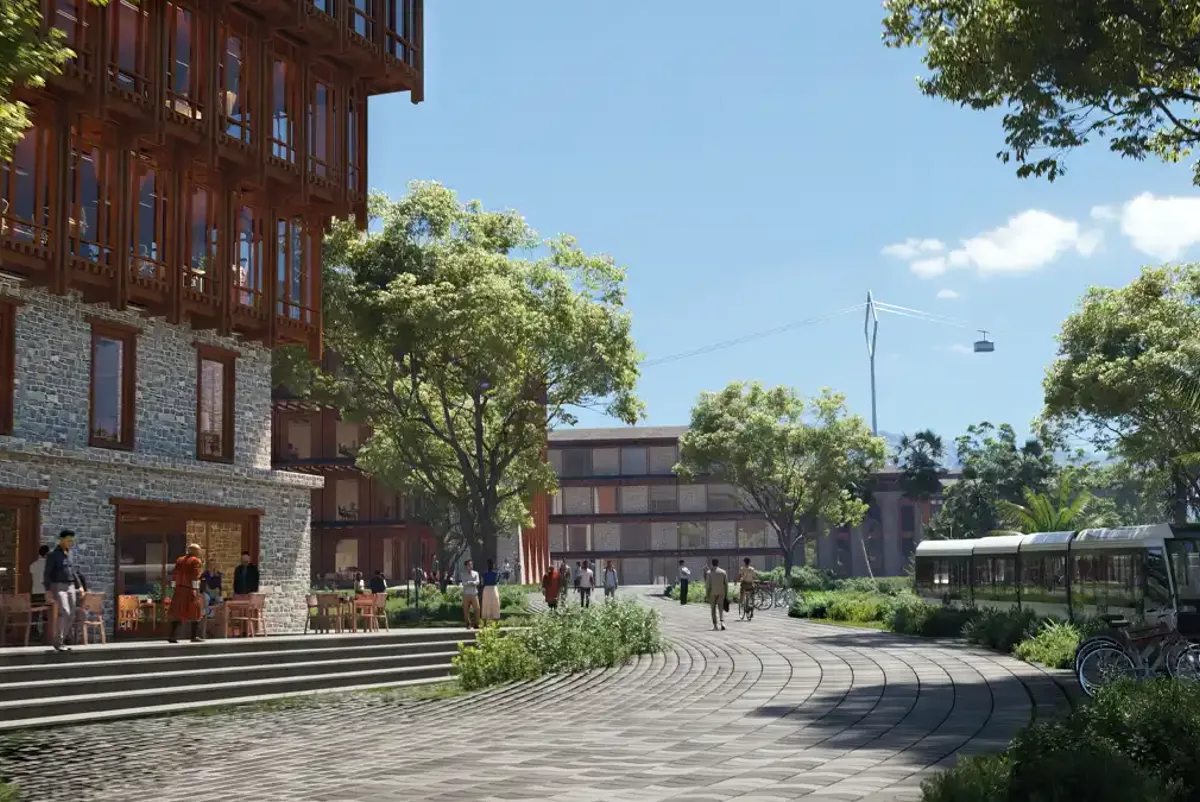
Arup delivered integrated infrastructure strategies for GMC’s transport, energy, water, waste and digital infrastructure systems, underpinned by a broad sustainability framework.
A pioneering sustainable mobility strategy
Arup’s mobility strategy for GMC focuses on creating a seamless, sustainable and accessible transportation network that prioritises pedestrian-friendly spaces, green public transport options, and innovative technologies to enhance the well-being and connectivity of all residents and visitors. It puts a focus on enabling a mindful experience while connecting people in the context of nature and tradition through a strategy which is ready for today and tomorrow.
The strategy is built on the foundation of local living, promoting active travel – such as walking and cycling – for short trips and prioritizing public transport for longer distances, with minimal private car use. The public transport system strategy has been planned to allow it to grow and adapt with the development of the city.
A safe, circular and nature-based water management plan
The GMC needs to provide a trusted and sustainable supply of clean water all year round. This requires overcoming the challenges of the highly seasonal nature of the region, including high flood risk concerns in monsoon season and water scarcity issues in the drier months.
Arup’s water strategy takes a holistic catchment wide approach to all the water systems – including rainwater, potable water, wastewater, treated water and groundwater. It focuses on providing a safe potable water supply all year round and utilising technology to reduce overall demand.
Multifunctional blue and green corridors throughout the city to help manage flood risk, provide amenity value and connectivity for residential and ecological pathways for nature. Natural reed beds are proposed to treat water quality.
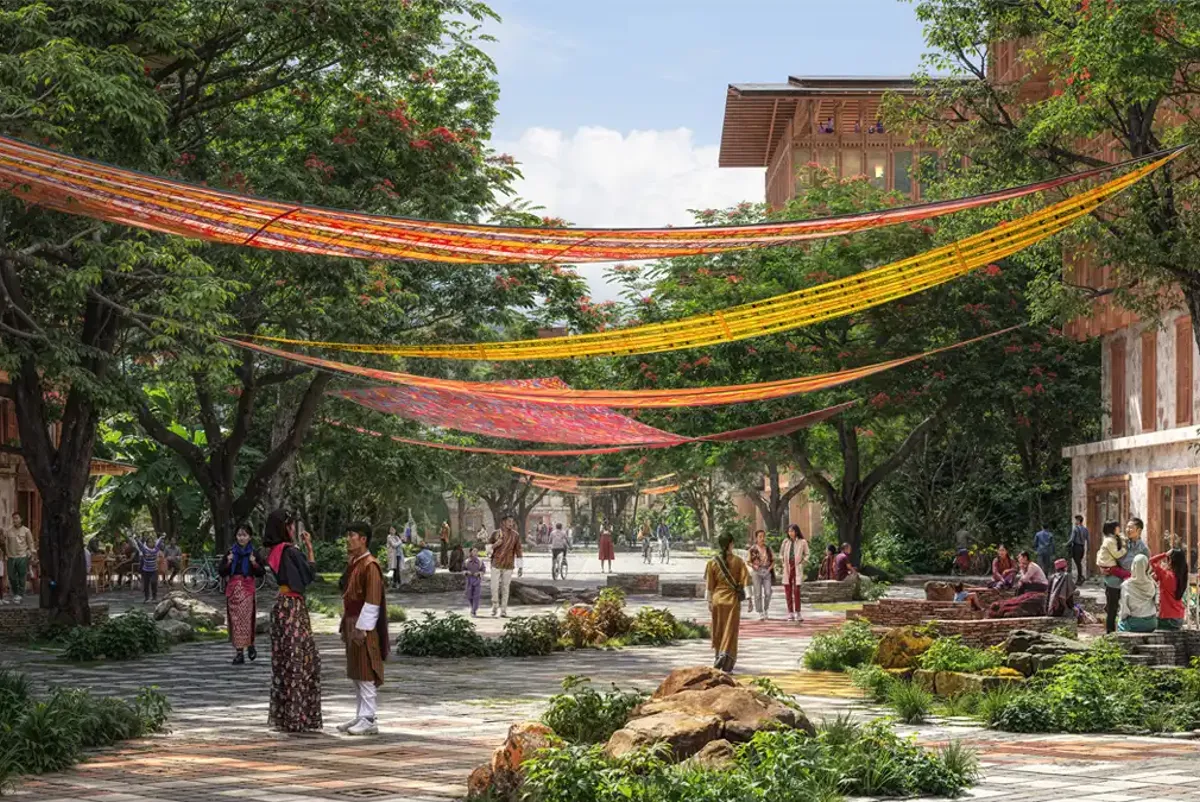
Arup’s multidisciplinary expertise helped integrate sustainable living practices and traditional local values with world leading innovation and technology to serve as a model for future urban development.
Our energy strategy addressed the challenges of fluctuating energy supply throughout the year caused by varying hydropower production between monsoon seasons and drier months.
Diverse and green energy all year round
Arup developed an energy strategy for GMC that addressed the challenges of fluctuating energy supply throughout the year caused by varying hydropower production between monsoon seasons and drier months.
We worked with the architect to propose energy efficient building design typologies to reduce overall demand. We assessed a range of renewable energy supply options including large scale hydropower, micro hydropower, wind, solar, floating solar, geothermal and biomass to meet the city’s demand. We proposed resilient and flexible energy networks that can expand as the city grows.
Adopting circular principles for waste and resource management
Pairing leading technology with Bhutan’s waste management culture is key to creating an effective and sustainable waste management strategy. It includes a circular and specific resource flows approach to waste management as well as flowing the waste hierarchy and proposing locally sourced materials. Infrastructure is proposed in a phased manner to align with growth of the city.
Enabling the digital economy
To achieve GMC’s ambitions for an innovative and ‘smart’ city, vital ICT infrastructure of a suitable quality and capacity was required. This will enable the digitally focussed economy and city to function and provide high speed international internet connectivity to the community.
Our digital experts proposed an integrated digital infrastructure strategy including fibre networks and 4G/5G mobile coverage back up by data storage centers. This includes significant upgrades to the capacity and speed of international gateways and the local internet exchange.
Arup’s long-standing experience in Bhutan has been instrumental in shaping solutions, and their global expertise and understanding of the local landscape, combined with technical excellence, has significantly contributed to advancing the vision of His Majesty in realising the Gelephu Mindfulness City.
MQDC / Bjarke Ingels Group / ERM
Get in touch with us
If you'd like to speak to one of our masterplanning experts about any of the issues raised on this page or a potential collaboration then please get in touch by completing the form.
