
Restoring one of the world’s most polluted rivers with a digital twin
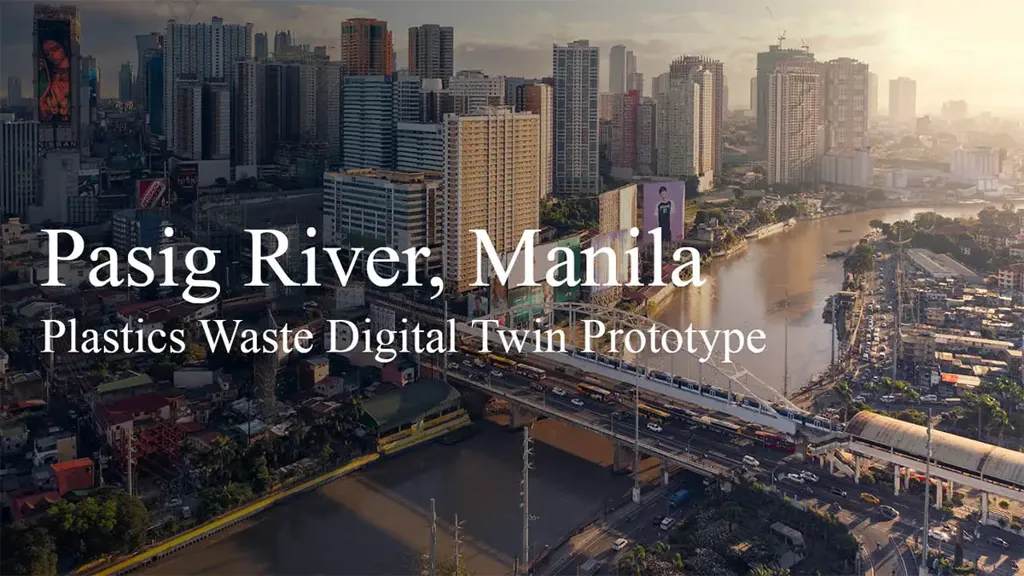
Pasig River Plastic Waste Digital Twin Prototype
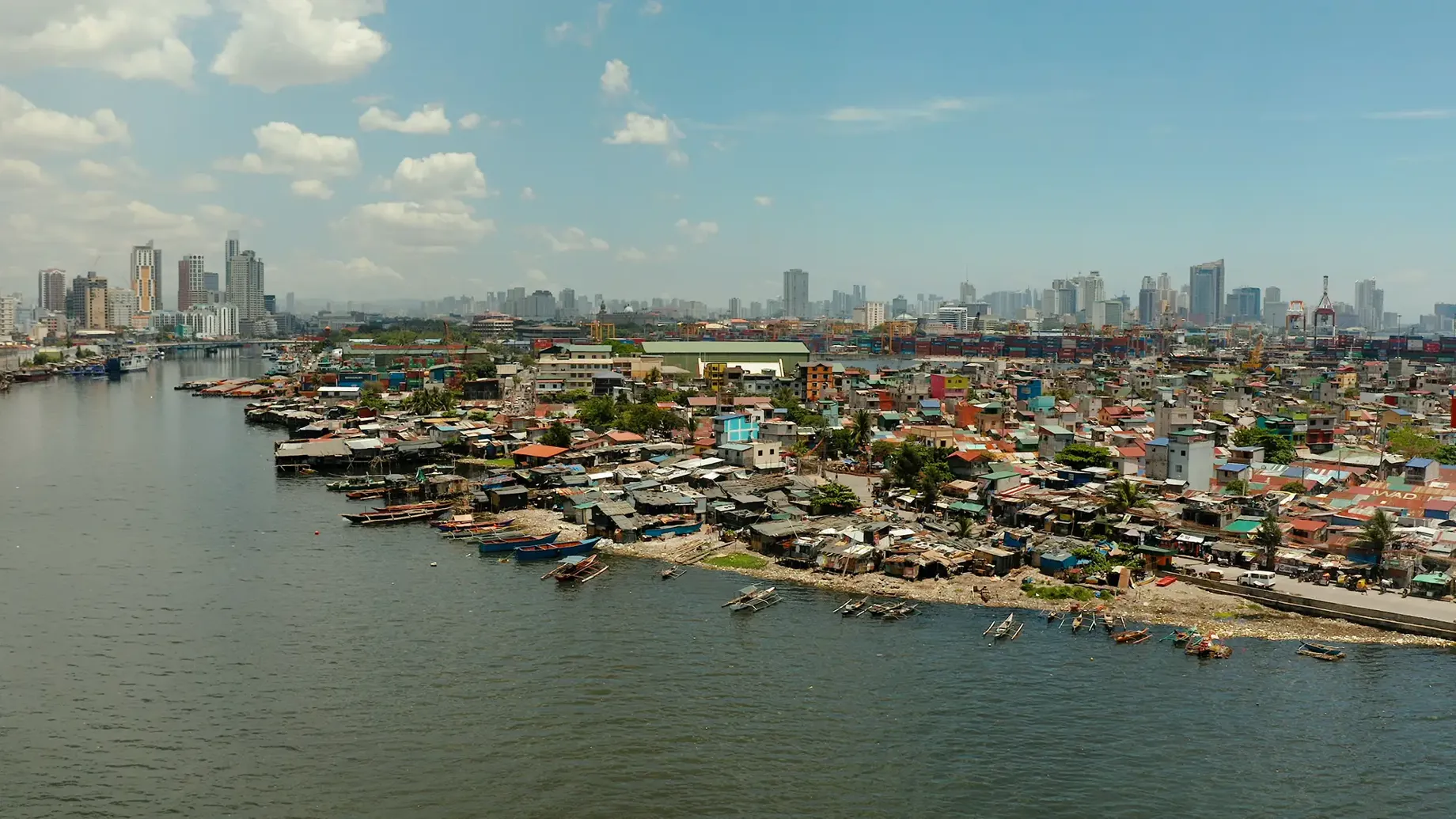
The Pasig River flows through Manila, connecting Laguna de Bay – the largest freshwater lake in the Philippines – to Manila Bay. It was once a transport route, food source and thriving ecosystem, however, it is now among the world’s top sources of ocean plastics pollution. In response, the Asian Development Bank (ADB) launched a regional innovation challenge to develop a digital solution for tackling plastic pollution in the river.
In collaboration with RiverRecycle, we developed a lightweight, open-source digital twin platform that maps how plastics flow through the river. We used advanced AI and machine learning to classify waste types, analyse and predict waste volumes and movement, and test interventions before implementation. The digital twin prototype integrates geospatial, environmental and socio-economic data to identify plastic hotspots and support targeted action.
The digital twin prototype is a major step forward in tackling plastic pollution, and equipping government and communities with actionable insights to accelerate river rehabilitation. As it is open source, the digital twin is scalable and can be adapted for other cities and waterways globally.
Using data to bring a river back to life
The Pasig River was severely degraded by 20th century industrialisation and rapid population growth. Serious rehabilitation efforts have been ongoing since, using methods such as dredging, vacuum trucks, water monitoring, and cleanup technologies like Clearbot and trash traps.
Our digital twin prototype builds on these efforts by delivering real-time, data-driven insights to accelerate cleanup.
Aside from geospatial, environmental and socio-economic data, the digital twin prototype, also tracks seasonal variations, revealing when pollution levels peak throughout the year.
Data on potential sources of waste is integrated, and it connects to weather models to account for variables such as wind and rainfall that influence waste movement.
This data can be analysed to inform targeted interventions, such as the design and positioning of trash traps, and development of policies and interventions to stop waste before it enters the water. The information will also improve the safety of workers by reducing exposure and improving planning for river cleanup operations.
A versatile tool, scalable for various contexts and applications
The prototype’s data and models are accessible through TerriaJS, a powerful open-source (publicly available) toolkit for building spatial data platforms and digital twins. The digital model can be adapted and scaled to suit any city, supporting programs to build more resilient waterways around the world.
The digital twin was conceptualised and initiated with the support of the Asian Development Bank, and developed through close collaboration with RiverRecycle, Philippine government agencies, urban planners, community leaders and local stakeholders.
The digital twin has been handed over to the Government of the Philippines’ Department of Environment and Natural Resources, with plans to expand it across the entire Pasig River system.
RiverRecycle
Projects
Explore more water projects

Geospatial analysis and visualization to support community-led, cross-border environmental interventions
Tijuana River Index, Mexico, USA

Improving water security and sanitation for millions in urban India
Australia-India Water Security Initiative (AIWASI), India

Creating cool and green streets with spatial data
Strategic Prioritisation Map for Water Sensitive Urban Design, Australia

Promoting climate resilient flood defence and development through nature-based solutions
Lower Darent Riverside Strategy, United Kingdom
Get in touch with us
If you'd like to speak to one of our digital experts about any of the issues raised on this page or a potential collaboration then please get in touch by completing the form.
