

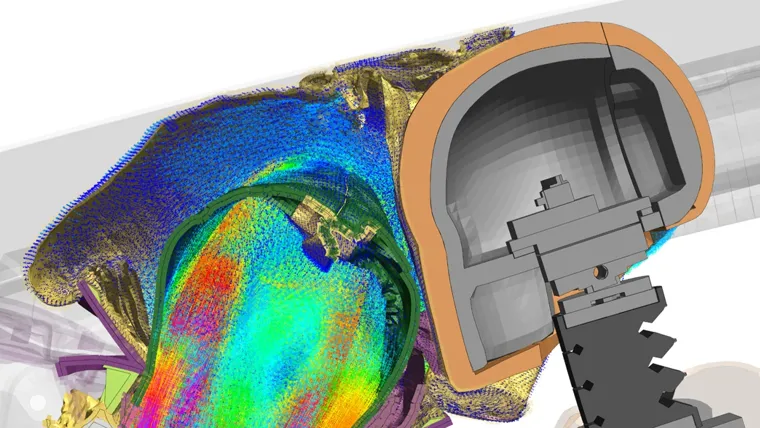
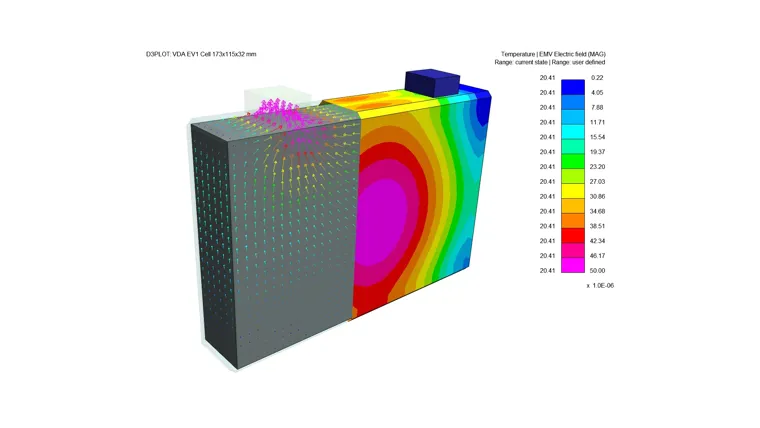
Computer-aided engineering (CAE) has become central to the design process of many of the products we use in our daily lives, from consumer electronics to vehicles and infrastructure. We are experts in CAE with long experience of applying advanced analysis to many of our most complex projects, often in contexts where no methods previously existed. We encourage our engineers to think critically and to challenge results, always referring back to first principles. Our goal is always to provide true insight and understanding, to illuminate the strategic design process and clients gain access to the wider Arup community of technical specialists.
How we can help
LS-DYNA expertise
We use LS-DYNA for a range of applications and were among the pioneers when the technology was first developed decades ago. Our clients value the Oasys LS-DYNA Environment for its powerful tools for creating and checking models, gaining insight into results and communicating with stakeholders. We use the same tools in the delivery of our project work and work closely with the developers to improve the products based on real industrial application.
Automotive design and engineering
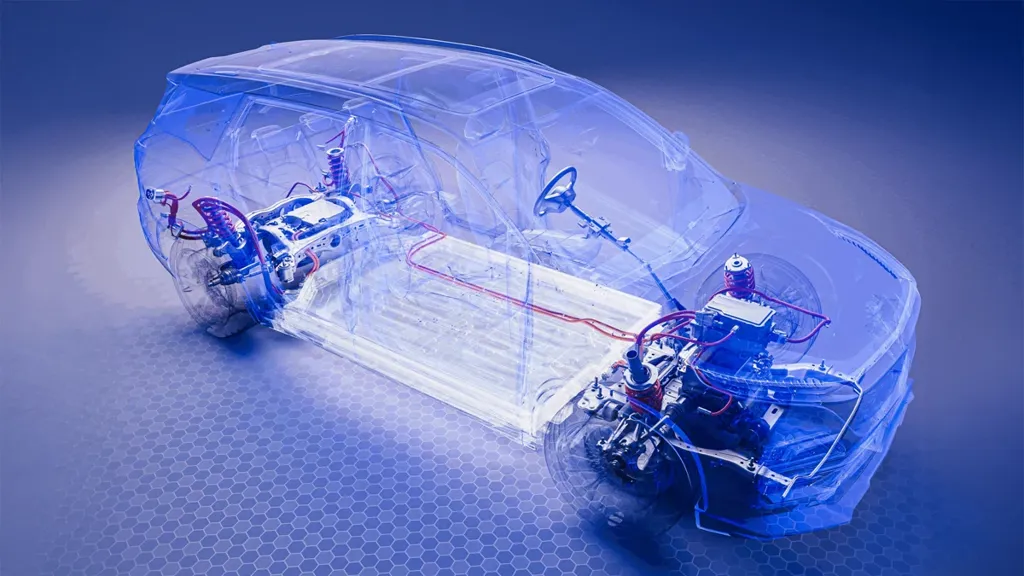
We work with automotive makers and supply chains around the world providing vital analysis during product design to provide new insights into how a structure performs under complex loading conditions. This understanding can unlock efficiencies and optimise material usage, leading to more sustainable designs. To support modern automotive design timescales, holistic application of CAE is required, that considers the multitude of requirements on the vehicle structure. Our approach consolidates CAE outputs to develop a clear and compelling narrative to stakeholders across the design development process.
Flexible delivery
We work within client organisations, as part of the analysis delivery team, or as the whole team if required. We understand the requirements of different stakeholders in the design process and effective methods of communication with all parties. We have experience working on a wide range of vehicle types and architectures, segment sizes and markets.
In the automotive sector our CAE services include:
- Design for structural crashworthiness, including regulatory and consumer safety requirements
- Occupant safety, analysis of interior components and restraint systems
- Pedestrian and vulnerable road user safety analysis
- Structural integrity and durability analysis
- Noise, vibration and harshness and vehicle refinement
- High voltage battery system design and integration
- System optimisation, trade-off studies
- Test correlation and model validation
- Material characterisation and failure modelling
- Automation and workflow definition
- Advanced LS-DYNA topics, e.g. implicit solver, fluid solvers and electromagnetics
CAE in other industries and sectors
In addition to the automotive sector, we provide services to other industries where digital prototyping can bring significant advantages during the design process:
Battery system design
Aerospace and Advanced Air Mobility (AAM)
Impact protection
Bio-medical products
Radioactive waste packaging
Manufacturing processes and tooling
Roadside safety barrier design and certification
Explore
Discover more of our expertise:
Experts
Contact our team today
Simon Hart
Director
Simon Hart leads Arup's computer-aided engineering (CAE) service. With over 30 years of experience, he specialises in delivering and managing advanced analysis services for global clients in the automotive industry.
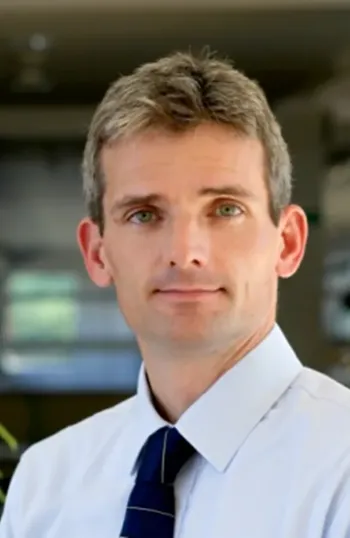
Simon Hart
Director
Birmingham, UK
Simon Hart leads Arup's computer-aided engineering (CAE) service. With over 30 years of experience, he specialises in delivering and managing advanced analysis services for global clients in the automotive industry.

Dong-ling Li
Associate
Dong-ling Li is Arup’s Specialist Technology, Analytics and Research Leader for East Asia, based in Shanghai.

Dong-ling Li
Associate
Shanghai, Mainland China
- East Asia Specialist Technology, Analytics and Research Leader
Dong-ling Li is Arup’s Specialist Technology, Analytics and Research Leader for East Asia, based in Shanghai.
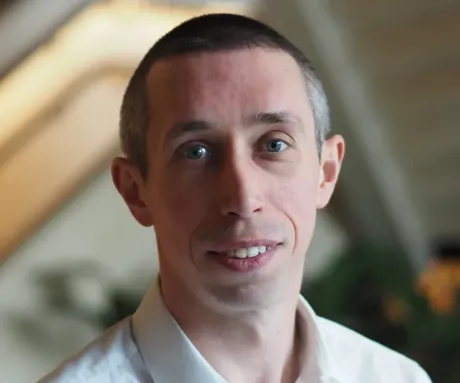
Ben Crone
Associate
Ben Crone is an Associate at Arup with almost two decades of experience in automotive crash simulation and computer-aided engineering (CAE). A recognised LS-DYNA expert, Ben has worked extensively with the UK’s LS-DYNA community, providing training, technical support, and guidance to some of the largest user groups in the country.

Ben Crone
Associate
UK
Ben Crone is an Associate at Arup with almost two decades of experience in automotive crash simulation and computer-aided engineering (CAE). A recognised LS-DYNA expert, Ben has worked extensively with the UK’s LS-DYNA community, providing training, technical support, and guidance to some of the largest user groups in the country.