
United States of AmericaNews and press releases
- All Locations 2474
- Australia 305
- Austria 1
- Bangladesh 1
- Belgium 3
- Botswana 2
- Brazil 1
- Brunei 2
- Cambodia 18
- Canada 47
- Colombia 26
- Croatia 2
- Denmark 37
- Dominican Republic 1
- East Timor 1
- Egypt 3
- Ethiopia 2
- Finland 1
- France 4
- Germany 45
- Ghana 2
- Global 20
- Greater China 158
- Greece 1
- Hong Kong 155
- India 16
- Indonesia 34
- Ireland 72
- Italy 35
- Japan 20
- Kenya 2
- Liberia 2
- Libya 2
- Macau 11
- Malawi 1
- Malaysia 47
- Maldives 1
- Mauritius 8
- Mexico 2
- Morocco 1
- Mozambique 1
- Nepal 1
- Netherlands 47
- New Zealand 53
- Nigeria 9
- North Korea 1
- Norway 2
- Oman 1
- Peru 2
- Philippines 37
- Poland 24
- Portugal 1
- Qatar 3
- Russia 6
- Saudi Arabia 1
- Serbia 8
- Sierra Leone 2
- Singapore 90
- South Africa 22
- South Korea 22
- Spain 77
- Sri Lanka 1
- Sweden 2
- Switzerland 2
- Taiwan 6
- Thailand 24
- Tonga 2
- Trinidad And Tobago 1
- Türkiye 21
- United Arab Emirates 12
- United Kingdom 347
- Vietnam 31
- Zimbabwe 6

UpcomingEvents and Exhibitions
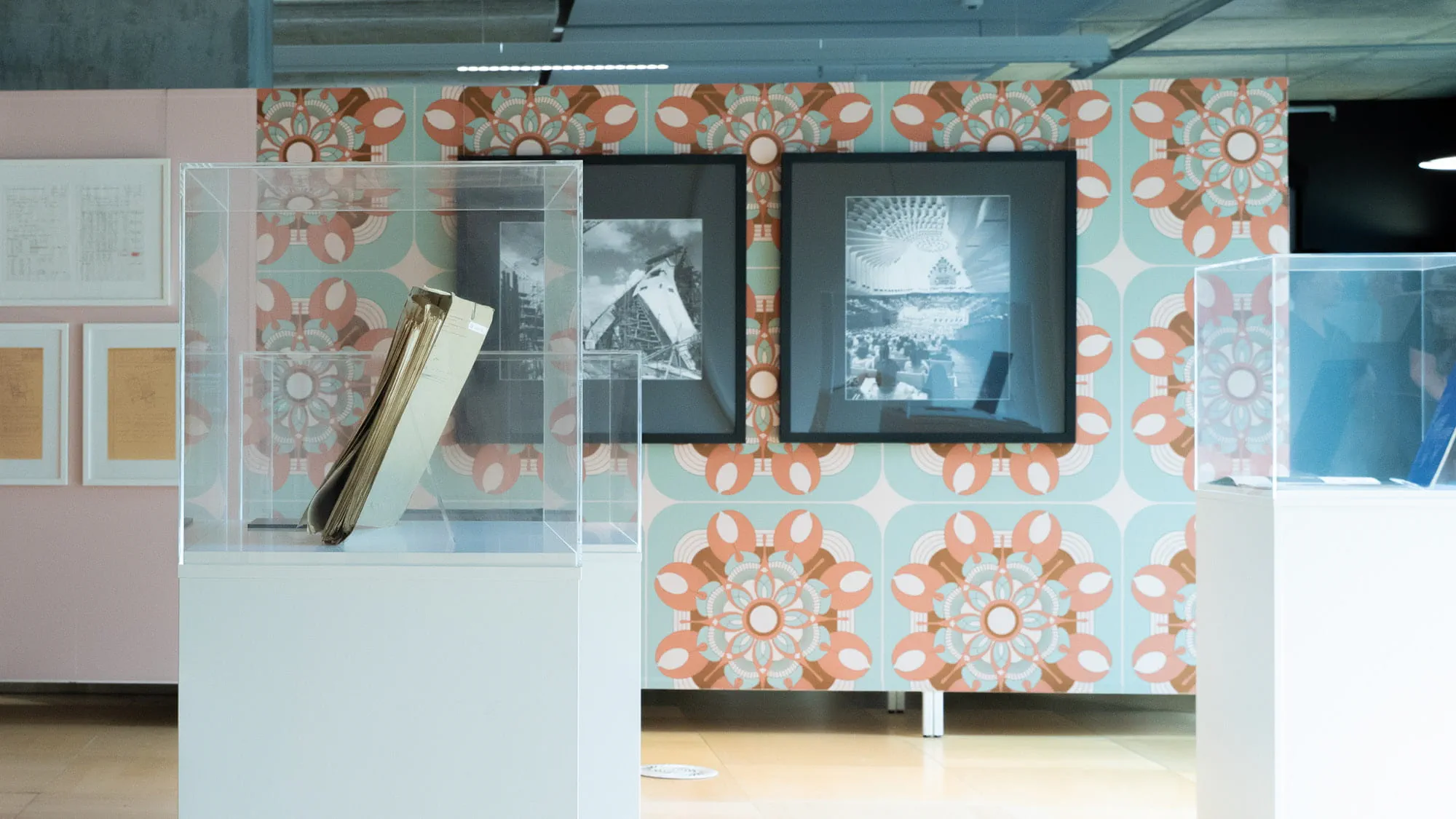
Sydney Opera House: Bold minds, a living legacy
This year marks 50 years since the Sydney Opera House’s opening and 60 years since our firm started operating in Australia on the Opera House’s construction site. Our ‘Bold minds, a living legacy’ exhibition celebrates our people – past and present – the bold minds who made this global icon possible and maintain its legacy for future generations.
Find out more about this event
UTS Zunz Lecture Series
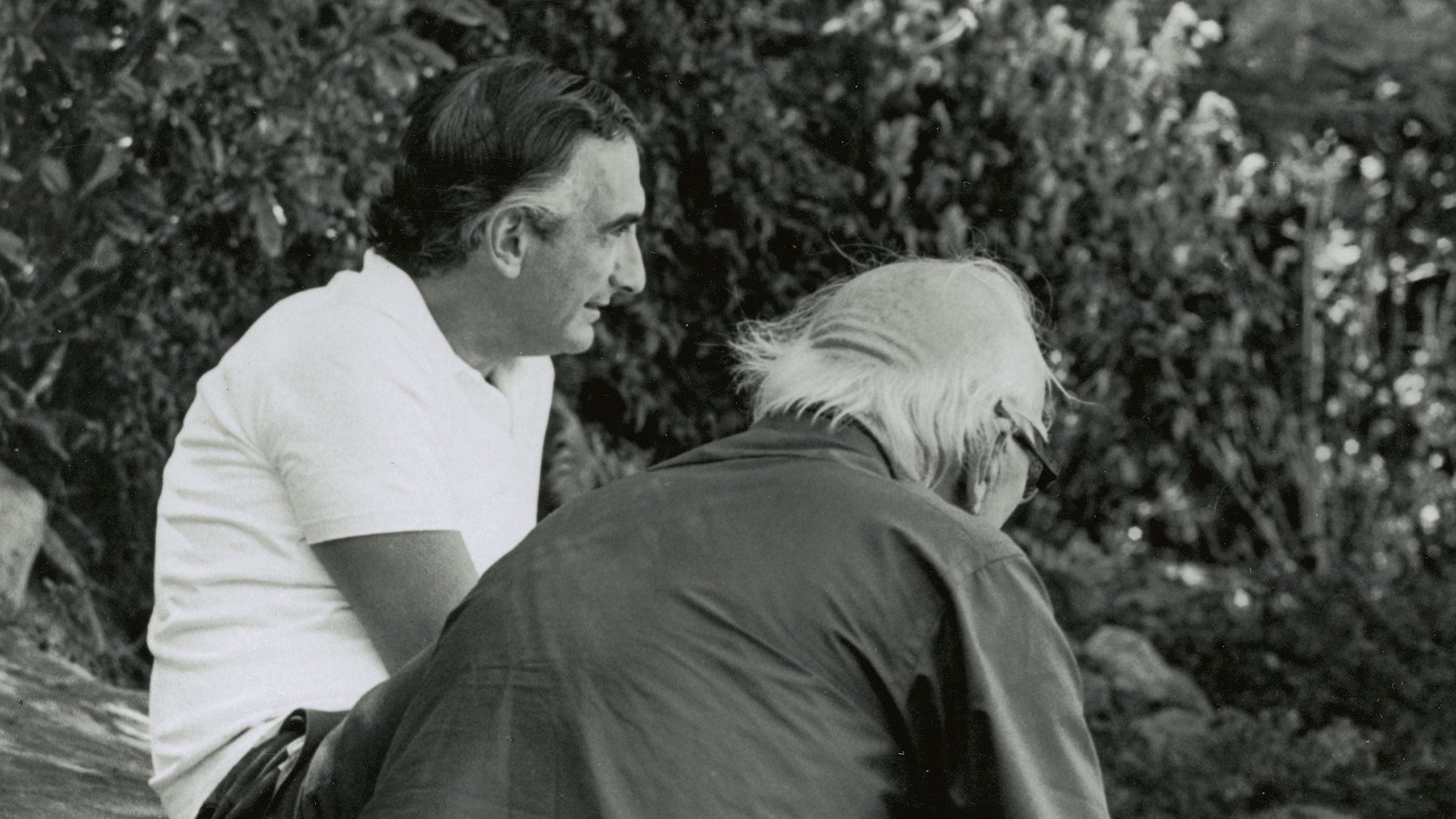
The UTS Zunz Lecture Series is named in honour of Sir Jack Zunz, the brilliant engineer and Arup ex-chairman who led the design team on the Sydney Opera House. His passion for both engineering and education has remained an inspiration to both UTS and Arup in the ensuing years. Since 2001, the UTS Zunz Lecture has aimed to improve public discourse in matters of engineering and information technology.
Find out more about this event