 ;
;
 ;
;
Shaping the sound of the world
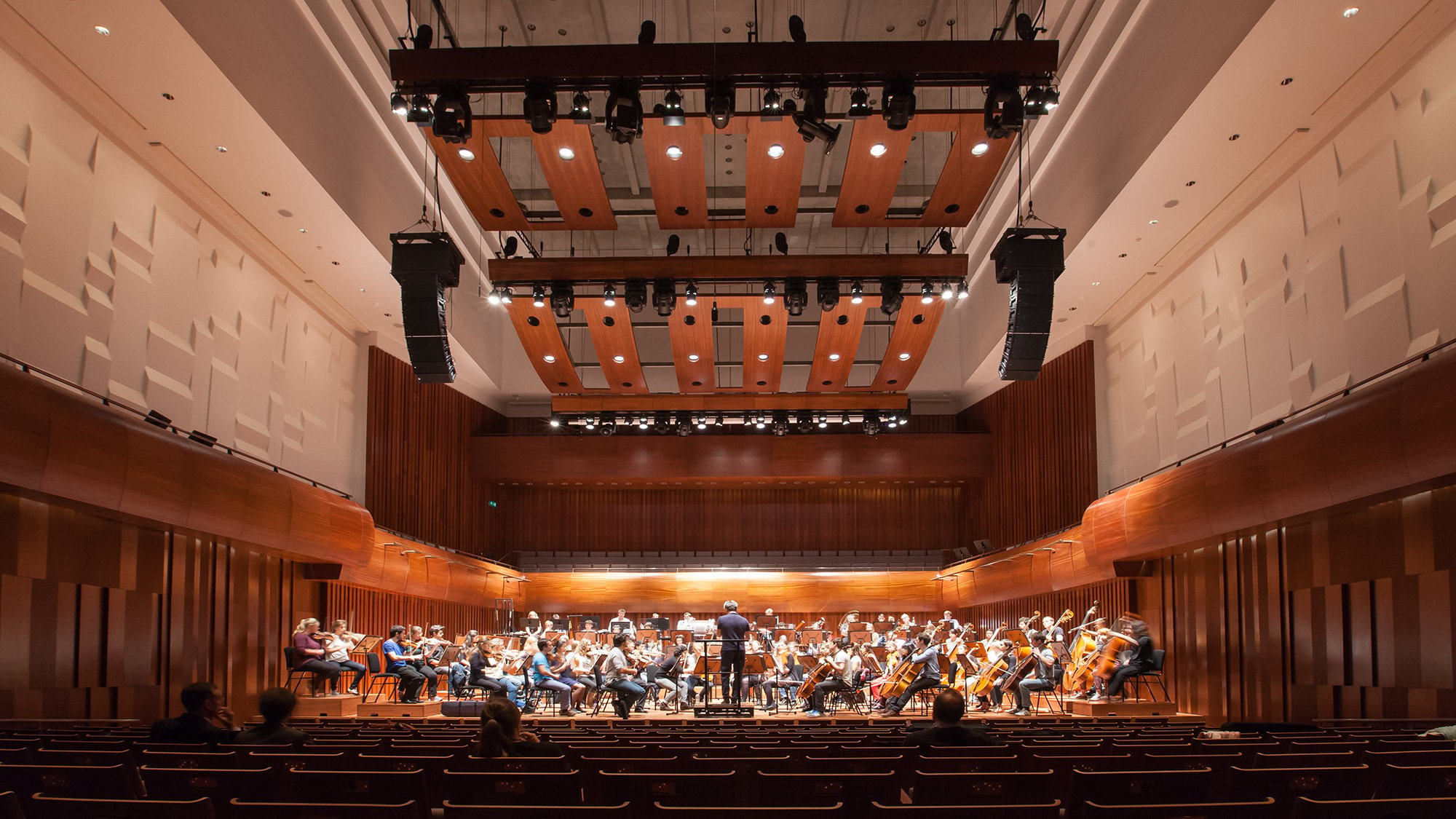
Our experience of places is driven by our ears as much as our eyes, which is why acoustics is fundamental to any successful building or environment. Arup is a leading acoustics, noise and vibration design and advisory practice. Our team works across a wide range of acoustic environments, whether it’s developing an incredible acoustic experience in concert halls or managing vibration inside a particle physics laboratory.
“A brilliant acoustic experience is fundamental to any building or environment. We love the challenge of creating, defining and managing sound ”
Raj Patel Principal
We take a people-centric, sensory approach to design, carefully considering the function of each individual space inside buildings, as well as the impact of buildings and transport systems on their surroundings (and vice-versa). We combine insights from designers and advisors experienced in a wide range of project types, bringing cross-disciplinary and cross-market innovation to all of our work. Collaborating with our audio-visual and theatre consulting teams we can also plan, design and integrate all the necessary infrastructure and systems into our solutions.
How we work
Tools for enhancing acoustic performance
Our commitment to developing acoustics as a practice runs deep. We have developed a range of tools to enhance the outcomes we deliver for clients.
-
SNAPshot
SNAPshot is a cloud-based, rapid, customised noise assessment and reporting tool, which allows construction site personnel such as site engineers and environment managers to quickly carry out assessments against project specific criteria to inform decision making and fast-track works approvals.
-
SoundLab
SoundLab® is a powerful tool, one that enables project collaborators, stakeholders, and communities to explore how acoustics will shape the built environment. By providing objective, quantifiable information in an accessible format, through listening, SoundLab makes the intangible tangible, demystifying and bringing clarity to design decisions.
-
Strutt
Strutt is a plug-in for Microsoft Excel, harnessing the power and simplicity of the Excel environment to undertake calculations of noise and vibration. Strutt magnifies the capability of Excel by putting hundreds of acoustics and vibration functions at your fingertips, allowing the quick and easy build-up of noise and vibration calculations and predictions.
Projects
From the smallest, most intimate theatres to concert halls, opera houses, arenas, stadia and rock venues, whether new build or refurbishment, Arup has a wealth of experience to guide every aspect of a project.


.jpg?h=831&w=831&hash=5A0D806DA7BCF59A76C9524EF217E0E2)