;
;
 ;
;
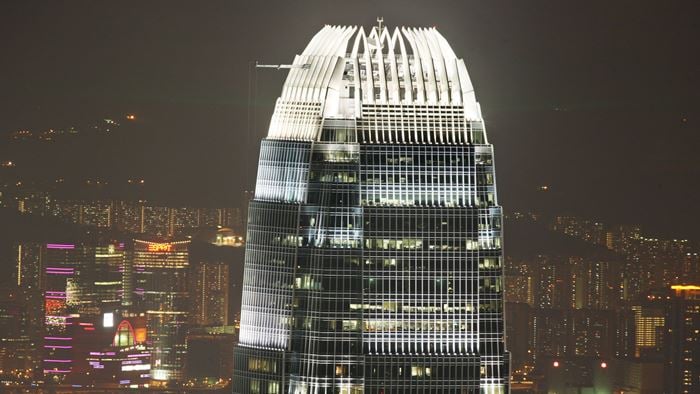
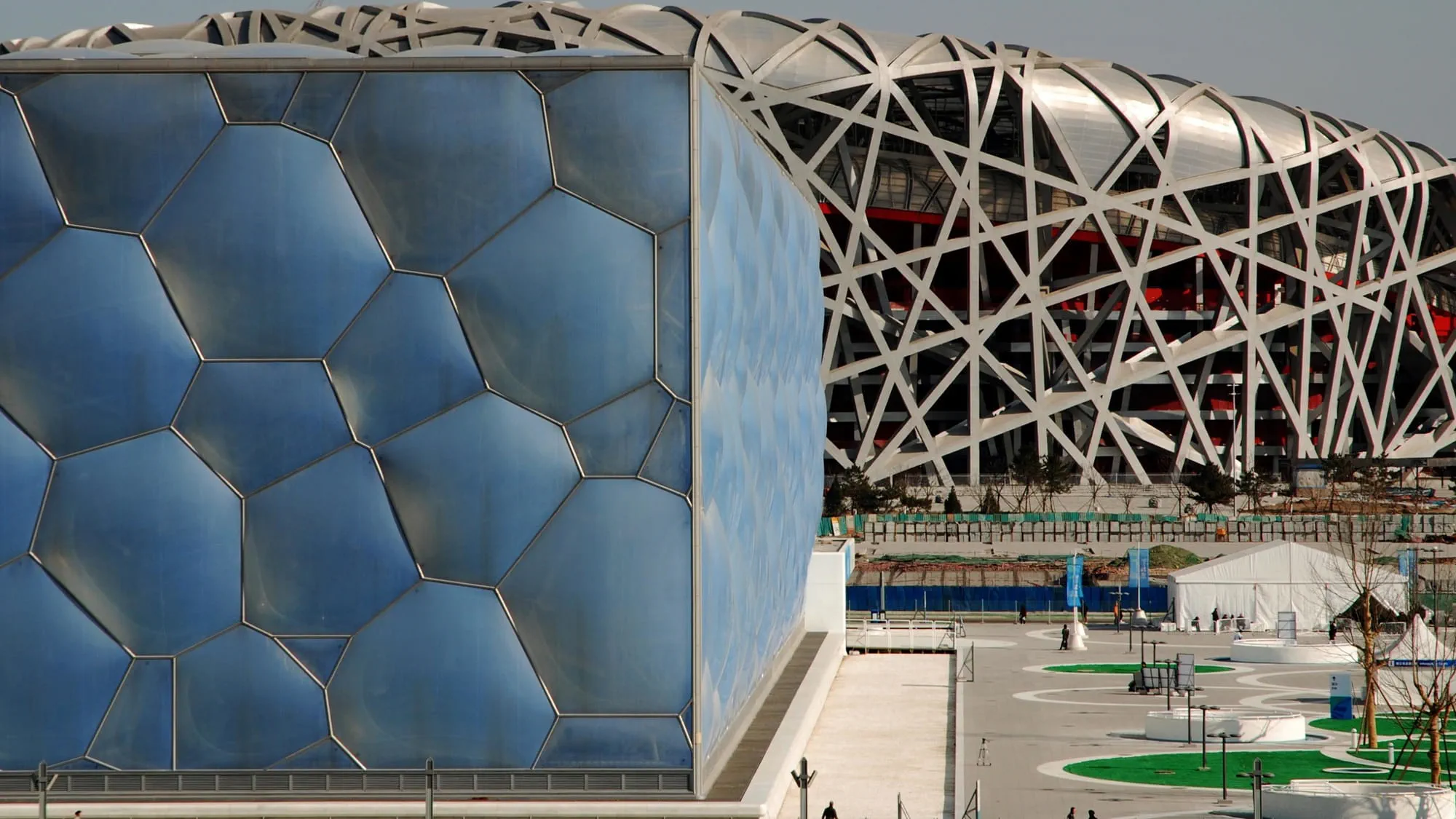
The ambitions of structures such as the Beijing National Stadium (Bird’s Nest) and 30 St Mary Axe (London’s ‘Gherkin’) have cemented Arup’s reputation for remarkable achievement in structural engineering. Over 65 years, we have continued to pioneer – whether for tall buildings such as Two International Finance Centre or for distinctive creative designs such as Metropol Parasol, one of the largest timber structures ever built.
We maintain our reputation because we invest in attracting and developing the most inventive and experienced of structural engineers. They are proficient in connecting the demands of geometry, materials and loads (gravity, wind, seismic).
Equally, we make sure that our structural engineers work closely with clients and collaborators and stay up to date with industry issues so that they can innovate in response to real-world challenges and constraints.
Pragmatic responses
Our clients’ businesses put great demands on their buildings, whether airport terminals, high-rise apartments or hospitals. We respond by improving the structural performance of our designs in ways that meet clients’ goals.
Arup has advanced the use of 3D building modelling to design and test structural solutions virtually. That may conjure images of complex geometry, as in our structural design for Singapore’s DNA-inspired Helix bridge. But at Arup we equally use building modelling to make any structure the best it can be.
Virtual modelling helps engineers, architects and clients see how all components of a design work together. Seeing that, we can optimise structural efficiency. We can also overlay the critical factors of cost and time to understand the implications of choices (form and materials, for instance) for project viability and sustainability.
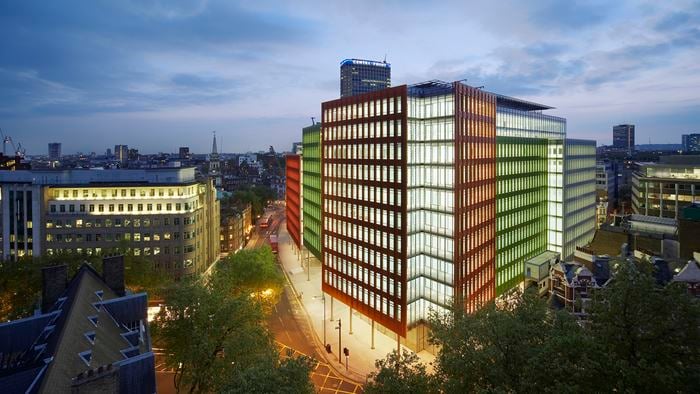
We produced an efficient design and rapid schedule using 3D modelling for the Western Australian Institute for Medical Research. It also helped us achieve optimal use of space in mixed-use development at Central St Giles, and to coordinate structural, mechanical, electrical and plumbing systems for high energy-efficiency in the Princeton University Frick Chemistry Laboratory.
Continual improvement
By analysing past solutions, and sharing experiences and skills, our structural engineers refine their ability to design stable, durable, elegant and economic buildings in all conditions. They also generate new ideas.
Experience led to the invention of Arup’s trademark damped-outrigger system, which we first applied to high-rise building design at St Francis Shangri-la Place, Manila. For these two 60-storey towers, the system helps reduce motion during windy weather. It also cuts the quantity of concrete and reinforcement steel required for structural stability, which lowers construction costs and opens up more floor space for tenants.
To each new challenge – from ambitious long-span structures to innovations in materials – we respond inventively. Integrated teams improve our connection to collaborators and produce better all-round solutions.
We often work alongside Arup’s seismic designers, for instance. Together, we created a structural solution for the Anadolu Medical Centre, Istanbul, which allows operations to continue following even major earthquakes.
To stay connected to today’s evolving challenges, our structural engineers are active in disaster relief and international development, professional organisations, research and teaching, and consultation on design codes.
Discover how our team can help
You can access our structural engineering services through regional consultants around the world. Wherever you’re based, we can help you explore new sources of inspiration and identify opportunities for growth.




Related
Projects