
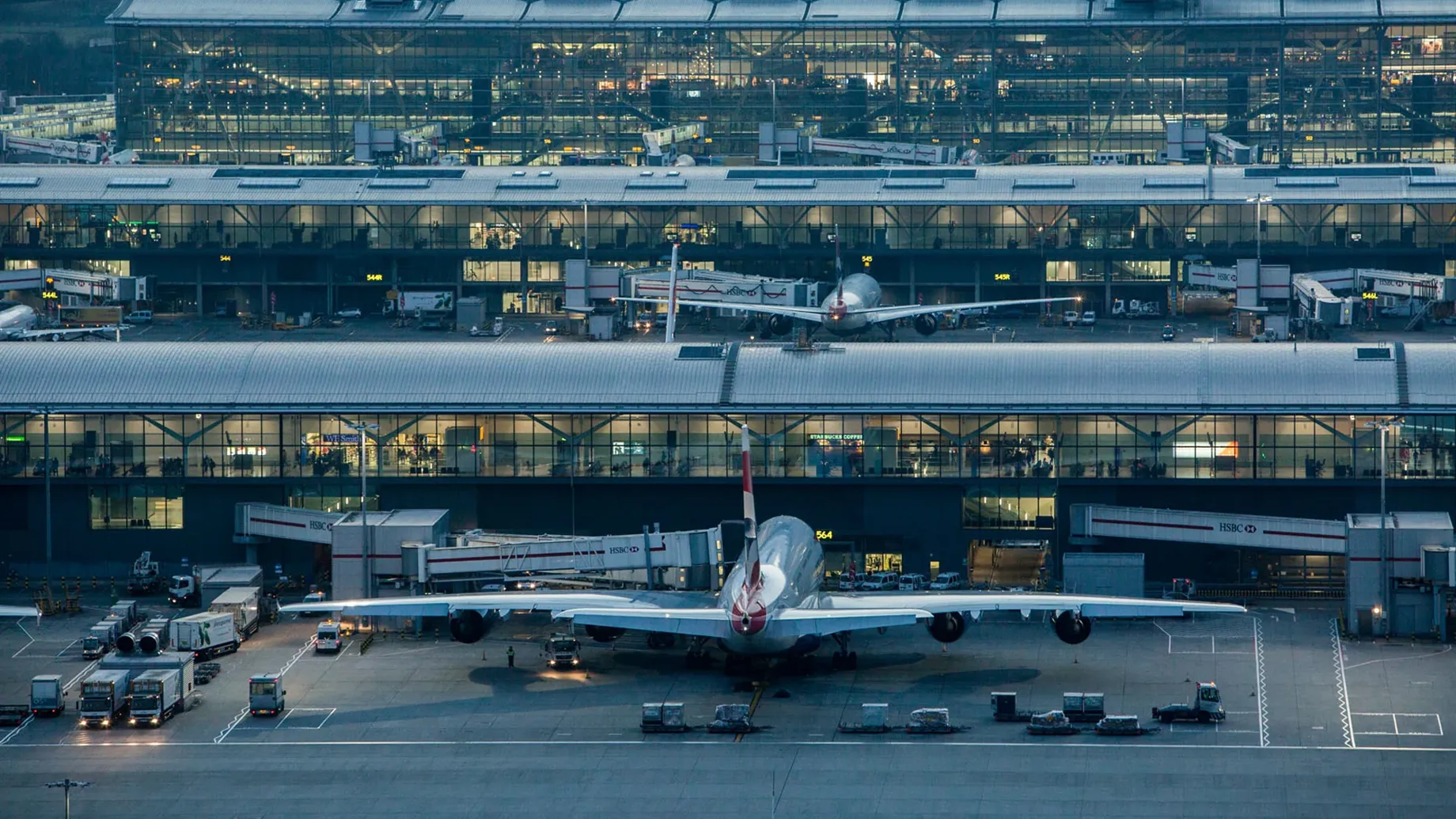
Heathrow Airport
Shaping the busiest airport in Europe
For four decades, Arup has partnered with London Heathrow Airport on its evolution as a global gateway.
How do you create an extraordinary airport, fit for the future, while maintaining safe and secure operations and making every journey better? This is the challenge that drives Heathrow’s ongoing transformation. Since the 1980s, Arup’s aviation specialists have enabled the airport to welcome ever‑growing passenger numbers, provide seamless journeys, strengthen its commercial performance, and grow capacity. Our collaboration spans design, planning, advisory, and operational consulting, with a focus on passenger experience, sustainability and resilient infrastructure.
Our long-term partnership with Heathrow:
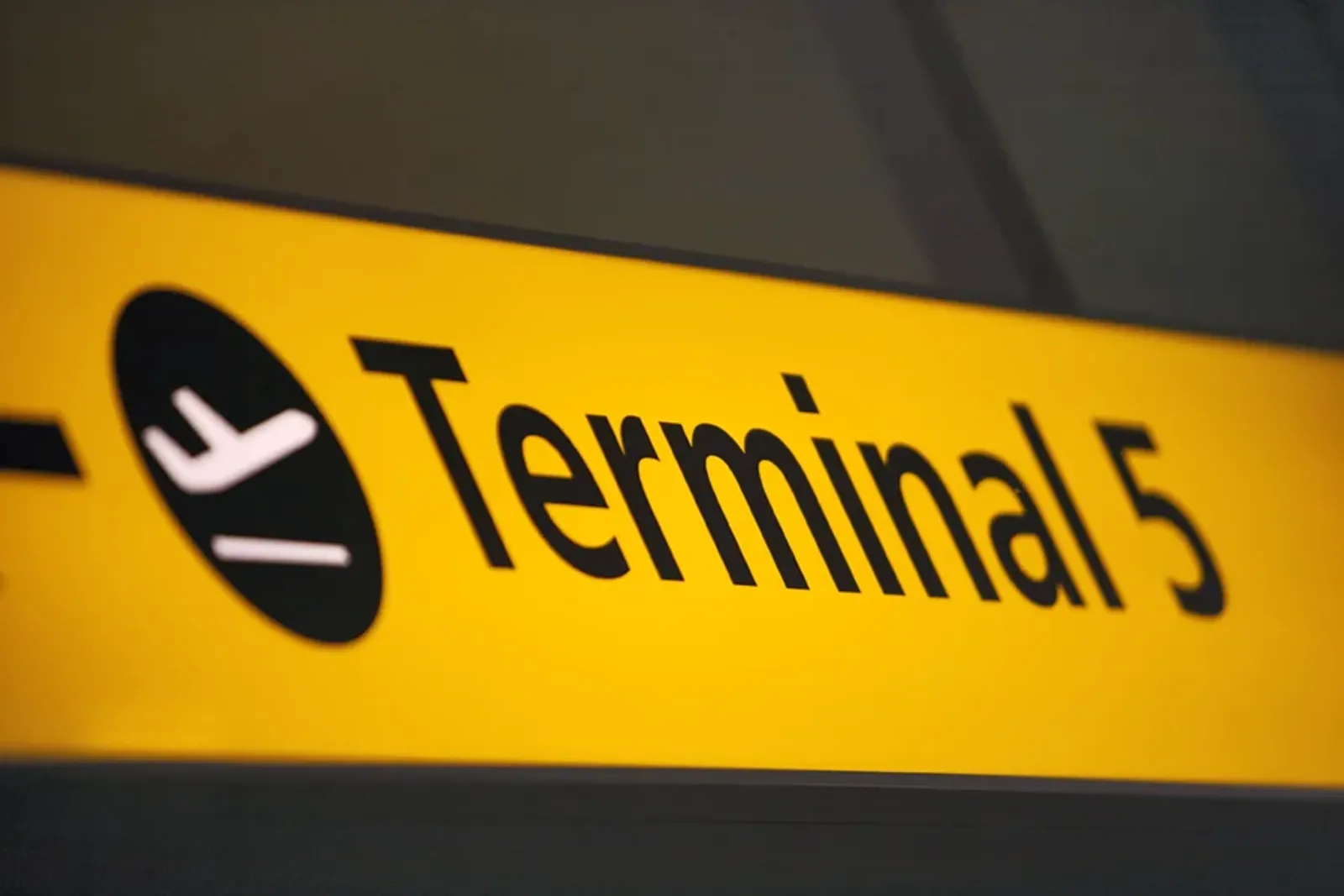
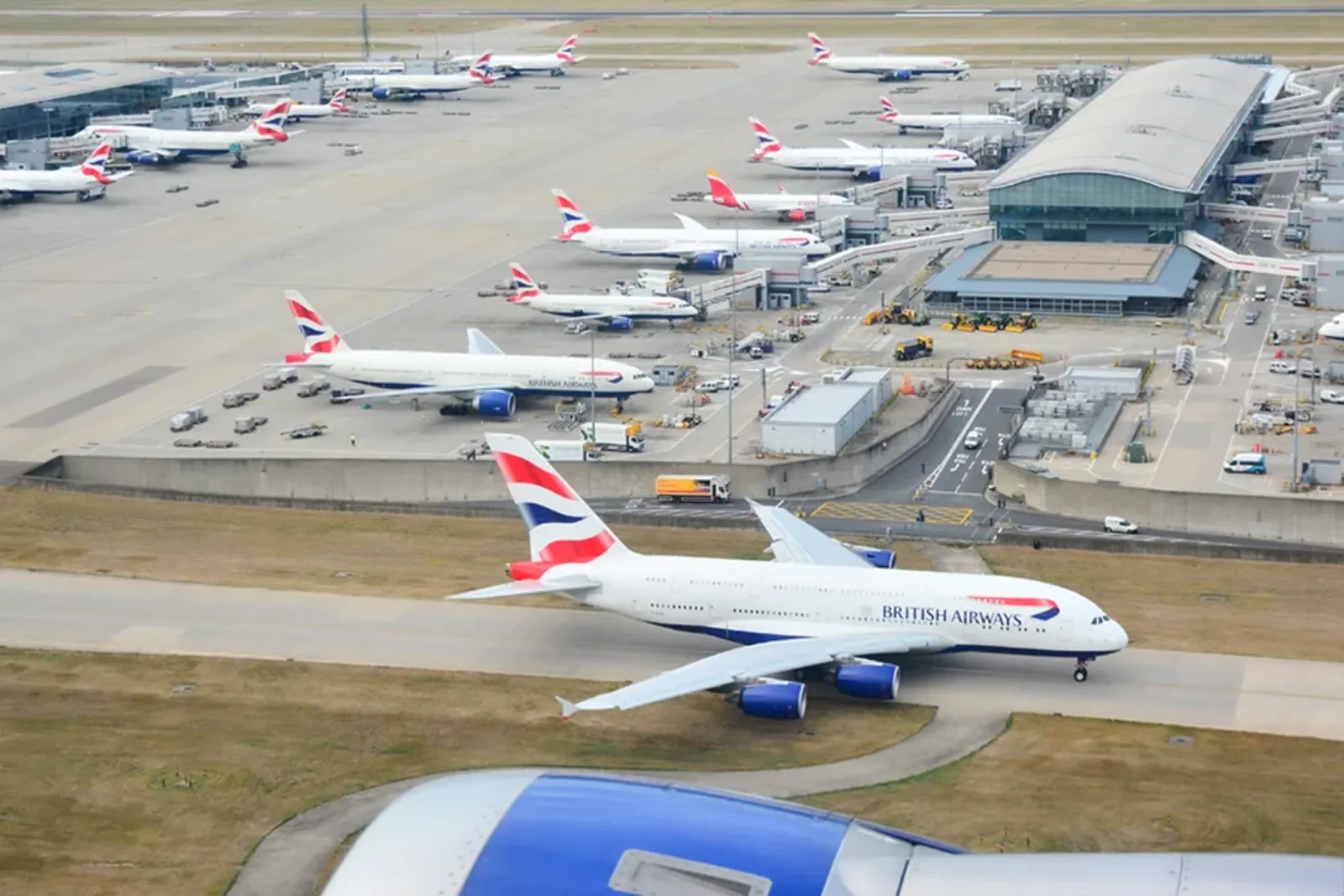
Integrating multidisciplinary expertise to engineer Terminal 5
By the late 1980s, Heathrow was operating beyond its design capacity and needed a new world-class terminal. Arup’s multidisciplinary expertise engineered Terminal 5, the UK’s largest freestanding building, with capacity for over 30m passengers a year.
Over 1,000 Arup designers joined the T5 Agreement, an innovative partnership model. Adopting the latest digital design approaches, we engineered the new terminal building, two satellite terminals, a control tower and associated infrastructure. Linking design data from different schedules, we resolved potential clashes between contractors early, saving £2.5m in the first nine months alone. Terminal 5 opened on time and on budget in 2008.
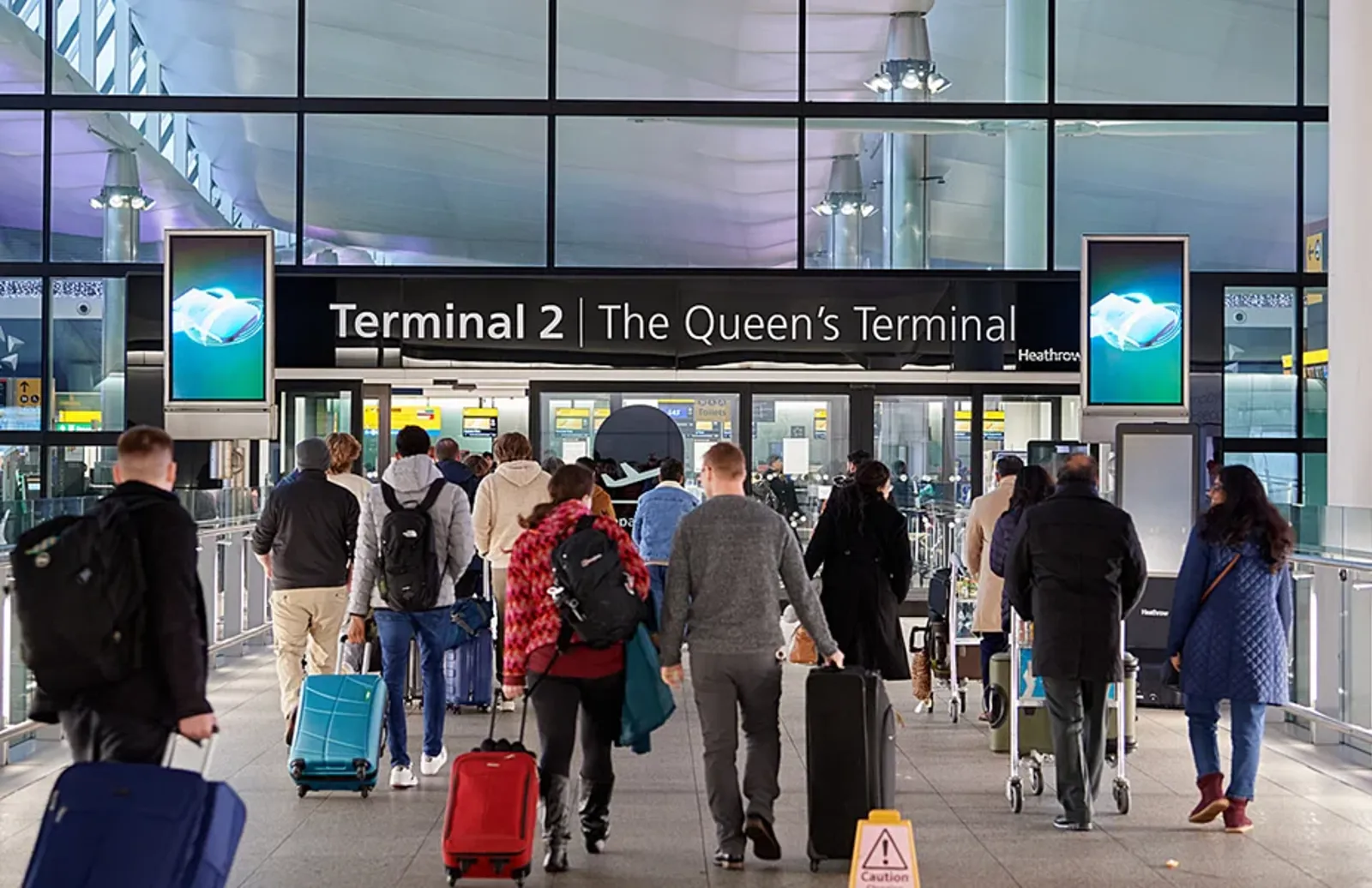
Ensuring airport operations worked seamlessly for the opening of Terminal 2
Opened in 2014 to handle up to 20m passengers annually, Terminal 2 was a major milestone in Heathrow’s £11bn transformation programme. The Queen’s Terminal, as it’s known, set new standards for airport design and operational planning. By coordinating stakeholders, implementing rigorous testing, and prioritising passenger comfort, Arup helped ensure systems and processes worked flawlessly from day one.
Our operational readiness (ORAT), stakeholder engagement, training and programme management specialists worked closely with Heathrow’s own team. We supported over 175 trials, including simulations with thousands of participants. We also trained 25,000 terminal staff on everything from health and safety to new operational procedures.
Putting sustainable growth and passenger experience at the heart of investment
Leading Heathrow’s strategy between 2014 and 2019, the Q6 Capital Investment Programme focused on improving terminals and airfield facilities to enhance the airport’s infrastructure, passenger experience, and operational resilience.
As designers for the passenger experience and baggage programmes, we ensured each intervention fulfilled Heathrow’s evolving needs and broader vision. This included a digital operations blueprint for baggage handling. By mapping end-to-end process flows and integrating technology, we created a more efficient, convenient, and stress-free baggage experience.
Reconfiguring underused spaces and smarter layouts created more room for retail, dining, and lounges, and streamlined operations. Taking it further, our strategic advice on governance, stakeholder engagement, and risk management ensured transparency and accountability for every project in the programme.
Boosting passenger satisfaction and commercial success
Since 2022, Arup has led the design of Heathrow’s Commercial Revenue Programme (CRP) – masterminding projects from feasibility to concept design. The programme will enable the airport to serve an additional 10m passengers a year, while reducing in-the-air and on-the-ground carbon emissions by 3m tonnes.
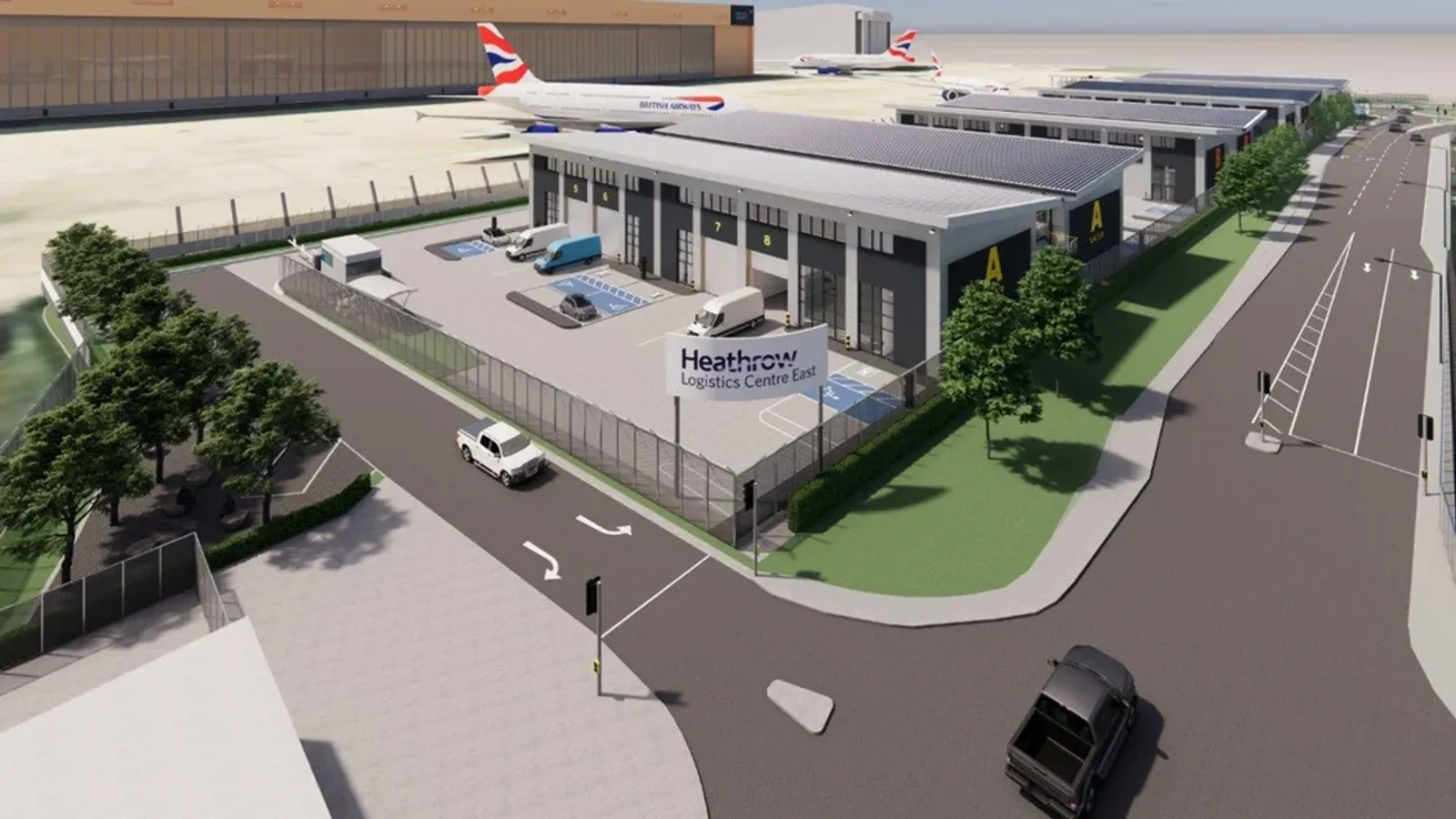
In a busy airport, how can you find 70,000m2 of new or upgraded space for retail units, restaurants, lounges to enrich passengers’ experience and boost revenue? We identified opportunities to relocate retail storerooms and offices from prime terminal zones to back-of-house areas. As part of the Heathrow Carbon Working Group, we’ve used our technical expertise to identify opportunities for carbon reduction. We’ve also unlocked Heathrow’s first commercial development in over a decade: the Eastern Business Park. This 1.6-hectare redevelopment transforms a tired post-war site into a high-performing logistics hub.
Having led the CRP covering 2022–2026 (H7), our teams are now helping to drive the next phase from 2027–2031 (H8).


Enabling sustainable growth to accommodate future passengers
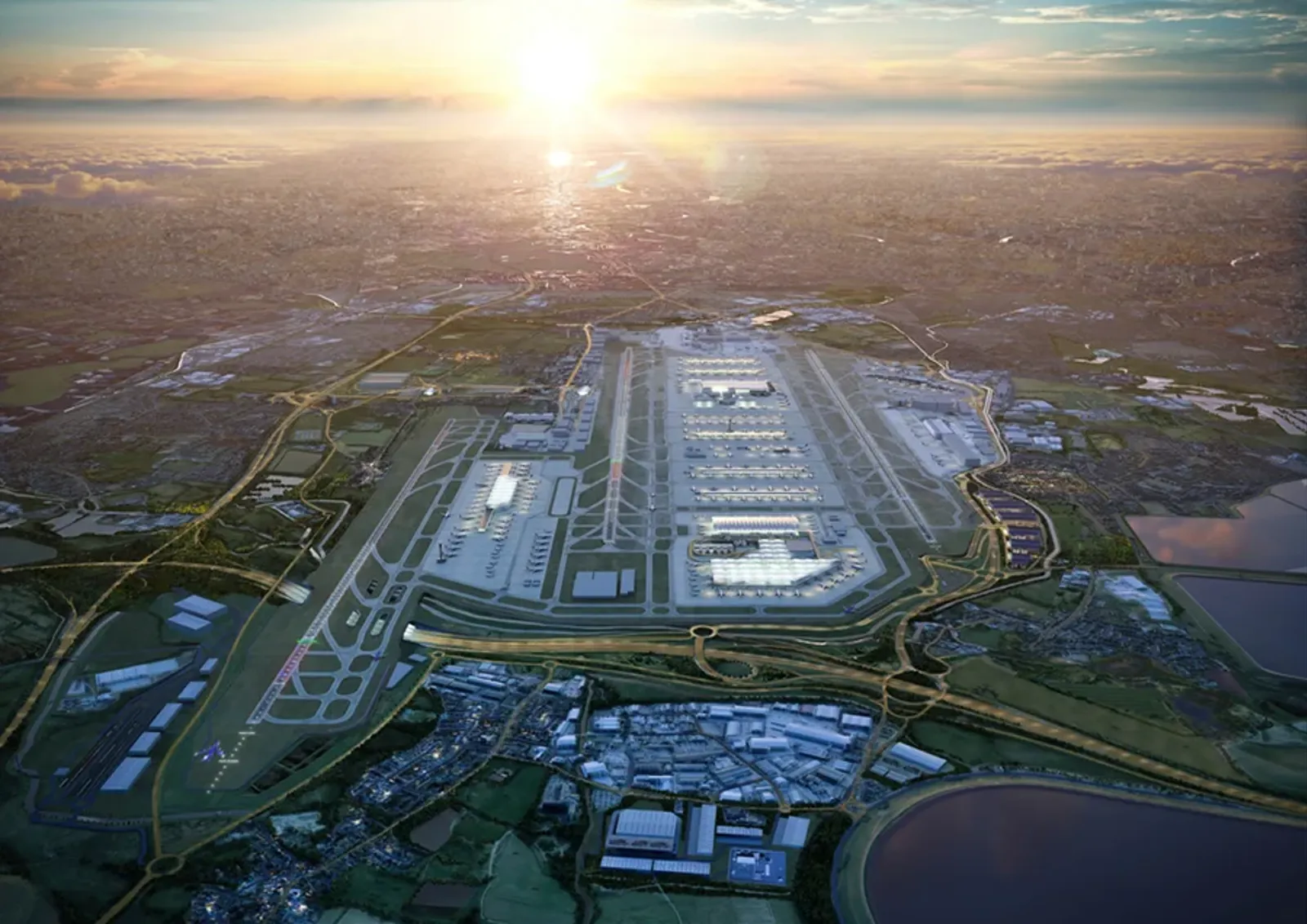
As Heathrow aims to expand capacity to 92m passengers a year by 2031, we are supporting its sustainable growth and path to achieving net zero by 2050. After 40 years working together, we understand the importance to the UK economy. We are also part of the Heathrow Business Coalition, advocating for the airport and its role in the UK’s economic growth and prosperity.
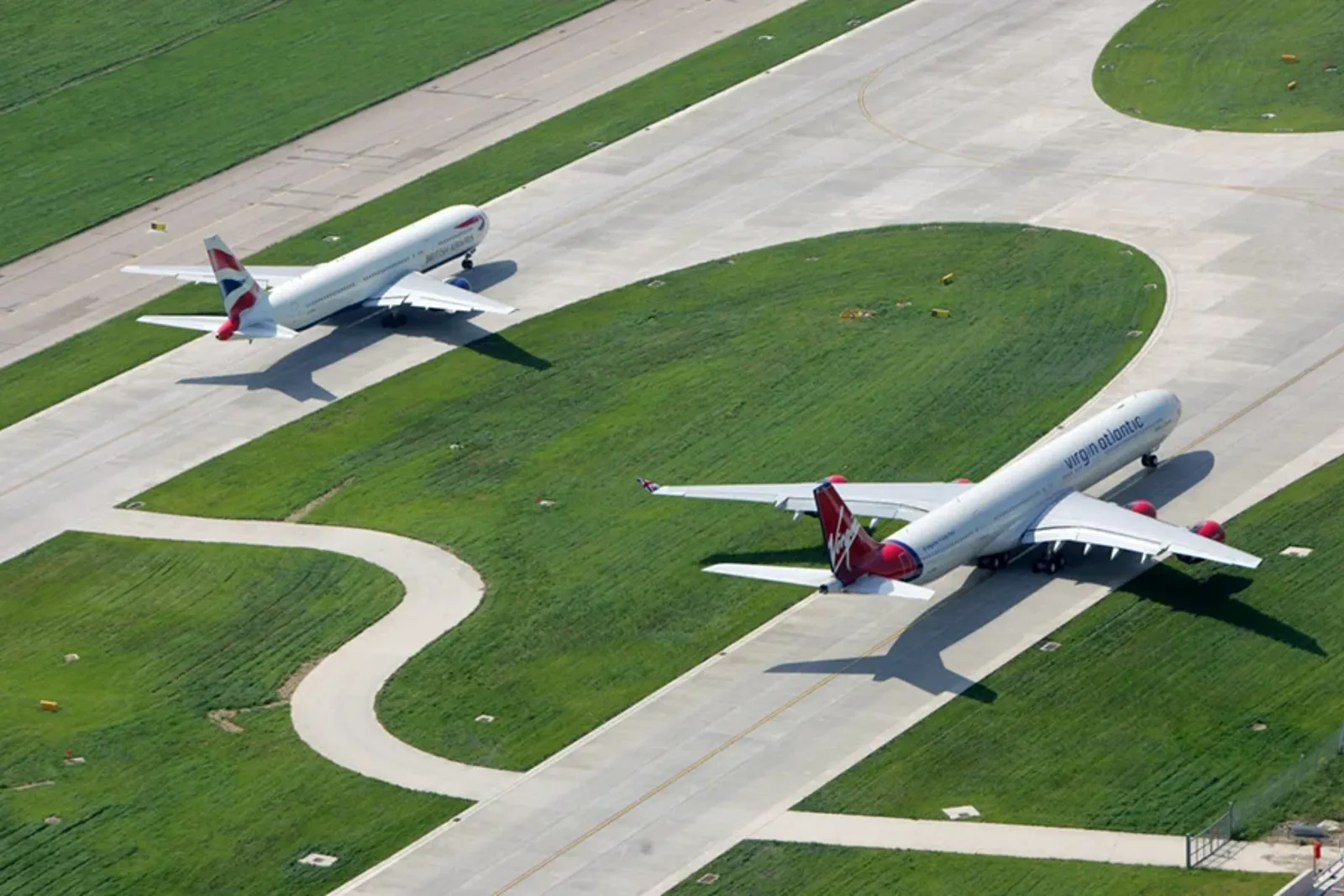
With Heathrow currently operating at capacity, small efficiencies can make a big difference. Using advanced simulation, we developed digital airfield models to help improve performance, and resilience. Evaluating an improved airfield layout, we found it could save an average of 30 seconds per departure, cutting taxi time by 2,000 hours annually. This could reduce emissions, noise and congestion while boosting punctuality.
40 +
years working with Heathrow
£2.5
m
saved in the construction of Terminal 5
175 +
trials conducted to ensure Terminal 2 opened smoothly
70,000
m2
of new or refurbished space created through the CRP
1.6
ha
area transformed into a logistics hub for small and medium-sized businesses
30
s
seconds saved per departure identified in our improved airfield layout
Explore our work at Heathrow Airport
Get in touch with us
If you'd like to speak to one of our aviation experts about any of the issues raised on this page or a potential collaboration then please get in touch by completing the form.
