
Mokslo Sala: a sustainable building design for a science museum in Lithuania
Science Island Museum
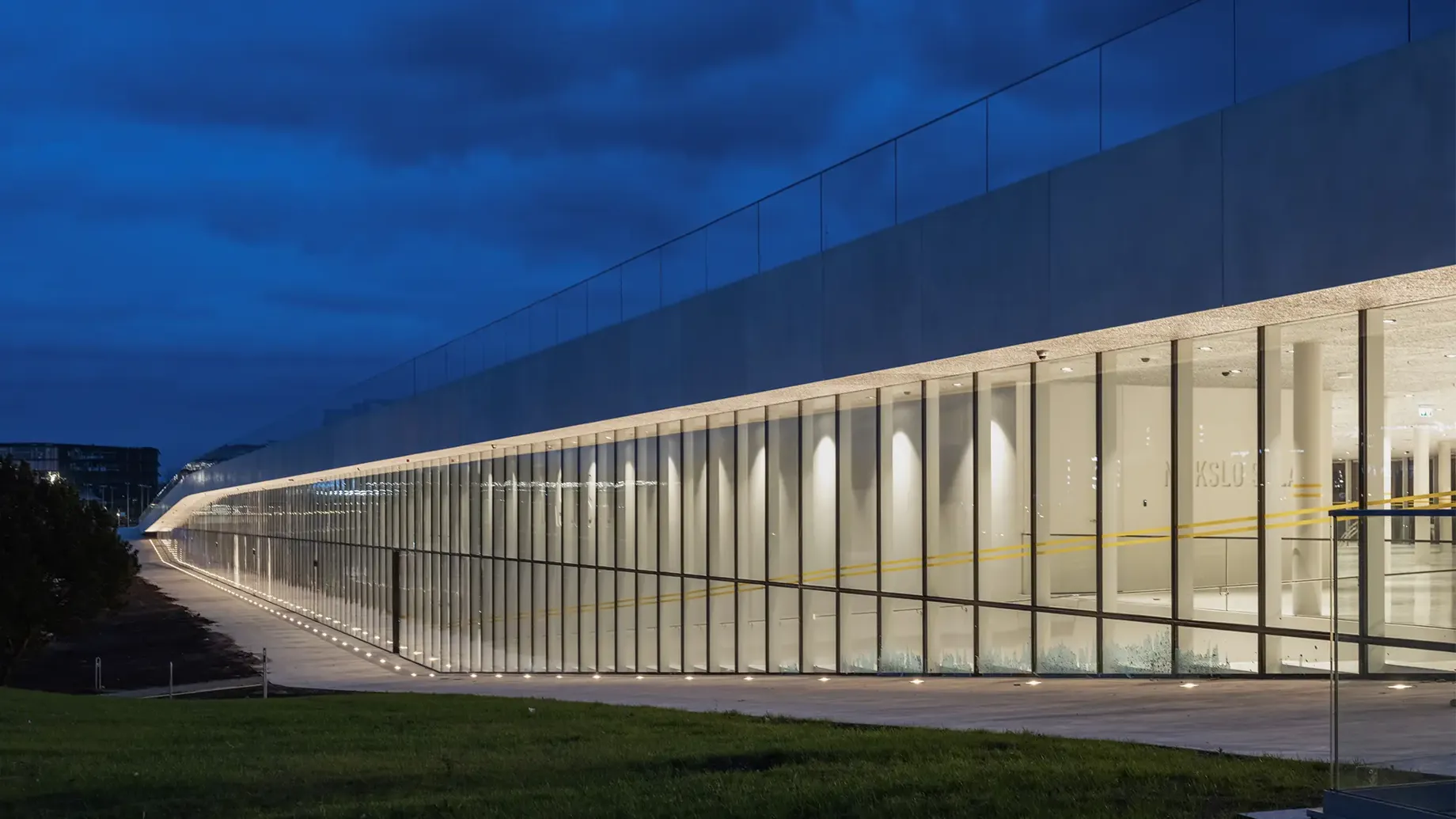
The Science Island Museum in Kaunas, Lithuania’s second biggest city aims to set a benchmark for sustainable architecture, energy efficiency, and indoor comfort. The museum wanted to maximise natural light use, reduce carbon footprint, and ensure an optimal balance between aesthetics, technical performance, and sustainability through the use of circular principles.
Arup worked with SMAR Architecture Studio on the design of the museum’s skin – the building envelope, which includes opaque and transparent façades, a landscaped roof, and skylights. In response to the client’s brief, Arup’s experts in façades design analysed the interior comfort and energy demand, optimised structural materials to minimise usage, and specified the type of glazing for the transparent façades.
The Science Island Museum (Mokslo Sala), is a model of responsible architecture with its low-carbon footprint, and design that achieves long-term durability with minimal maintenance through the strategic use of recycled materials.
Designing for energy efficiency and interior comfort
One of the museum’s standout features is the glazed main façade, designed with optimised profiles to improve energy efficiency and offer high visual transparency and structural strength. To reduce the carbon footprint, we selected aluminium façade profiles made from 80% recycled materials and specific requirements were included to encourage the use of locally sourced materials.
For an accurate thermal and daylighting control, Arup’s experts carried out a detailed analysis of the building orientation, solar radiation and seasonal variations. This helped us design spaces that maximise natural light, maintain consistent year-round temperatures, and reduce glare to offer bright exhibition spaces and avoid eye strain – all contributing to a more immersive and enjoyable experience for visitors, regardless of the time of day or season.
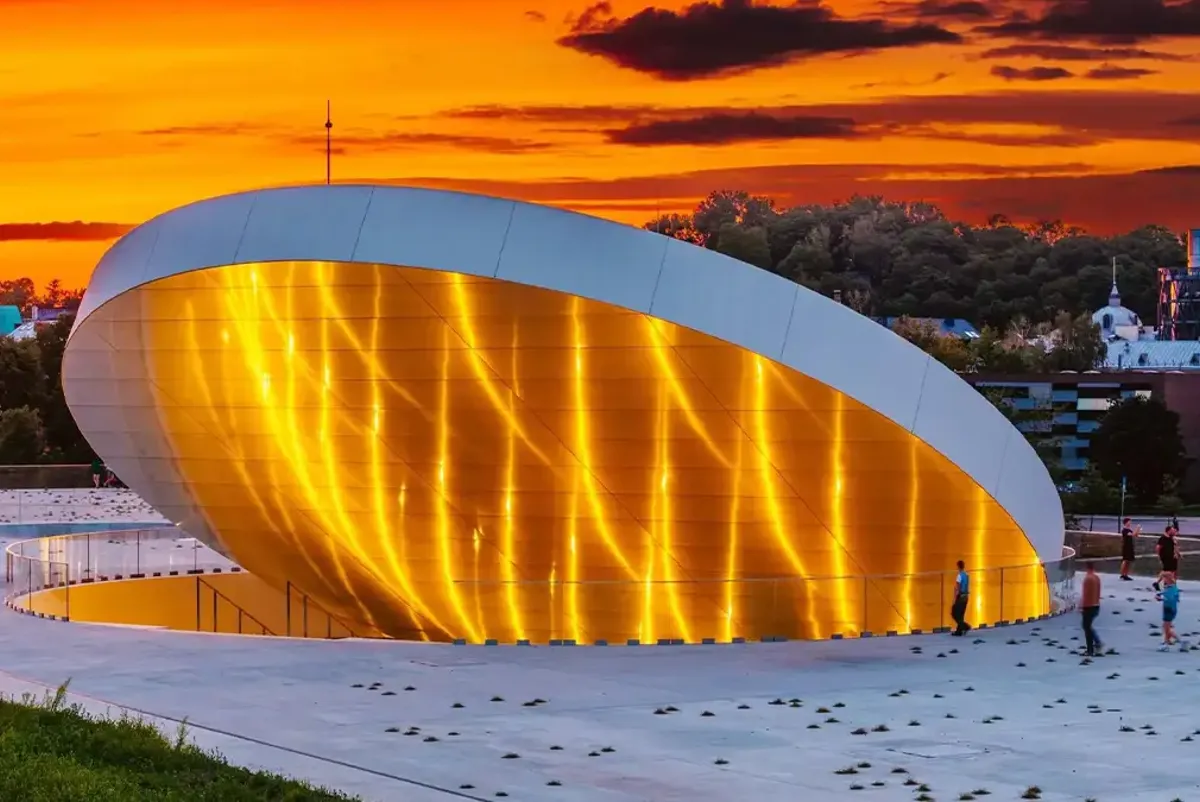
The envelope was designed to enhance indoor comfort, reduce environmental impact, and last over time.
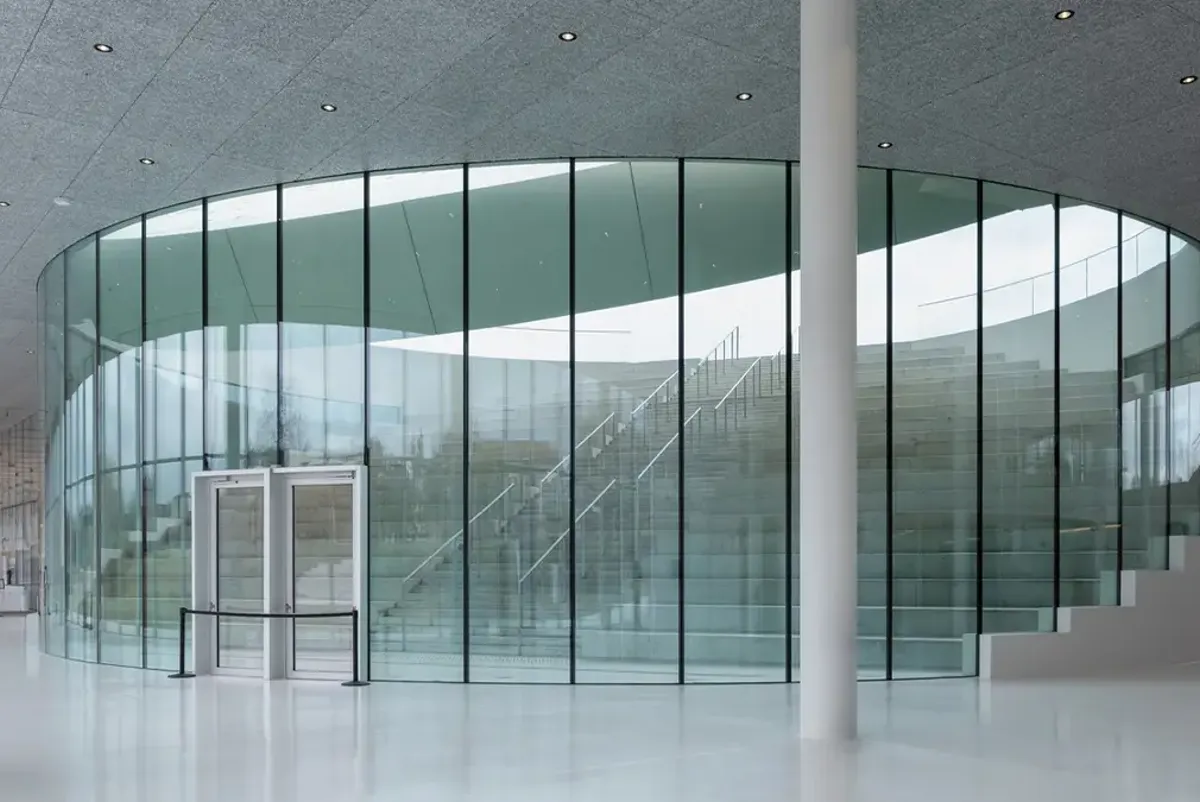
Design spaces were designed to maximise natural light, maintain consistent year-round temperatures, and reduce glare to offer bright exhibition spaces.
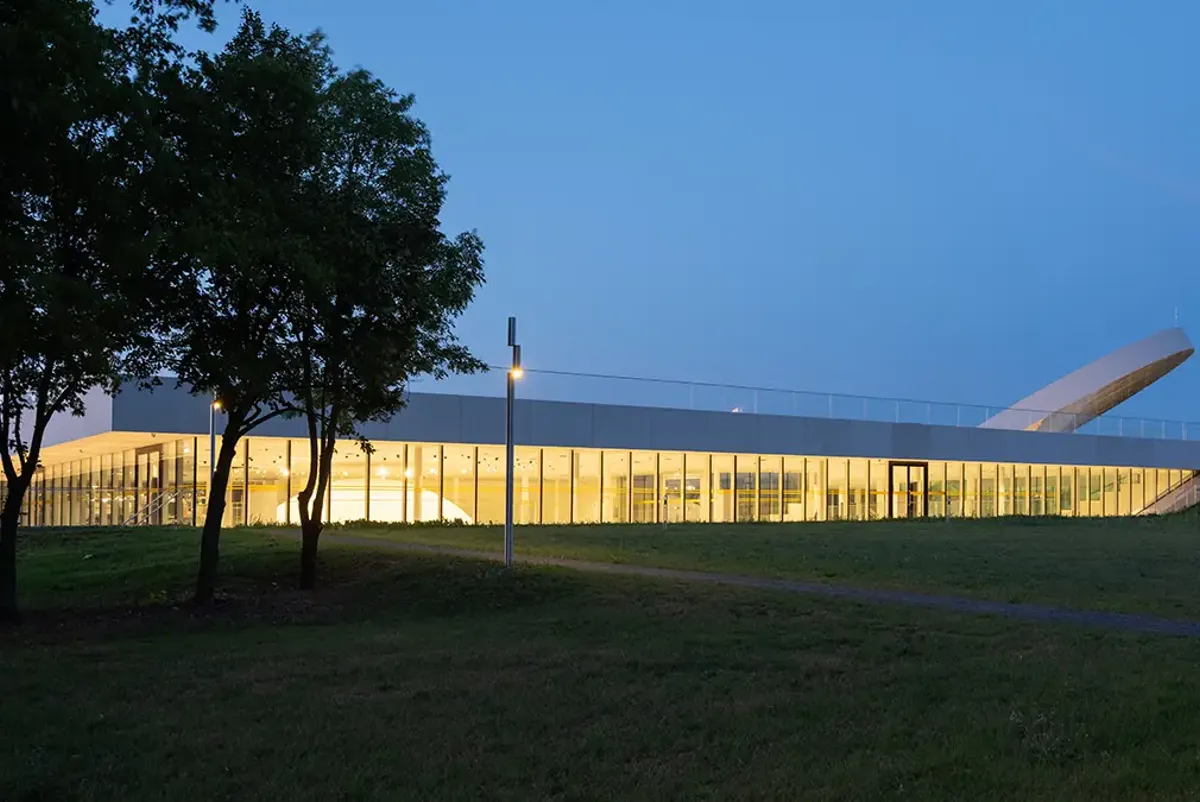
To reduce the carbon footprint, we selected aluminium façade profiles made from 80% recycled materials.
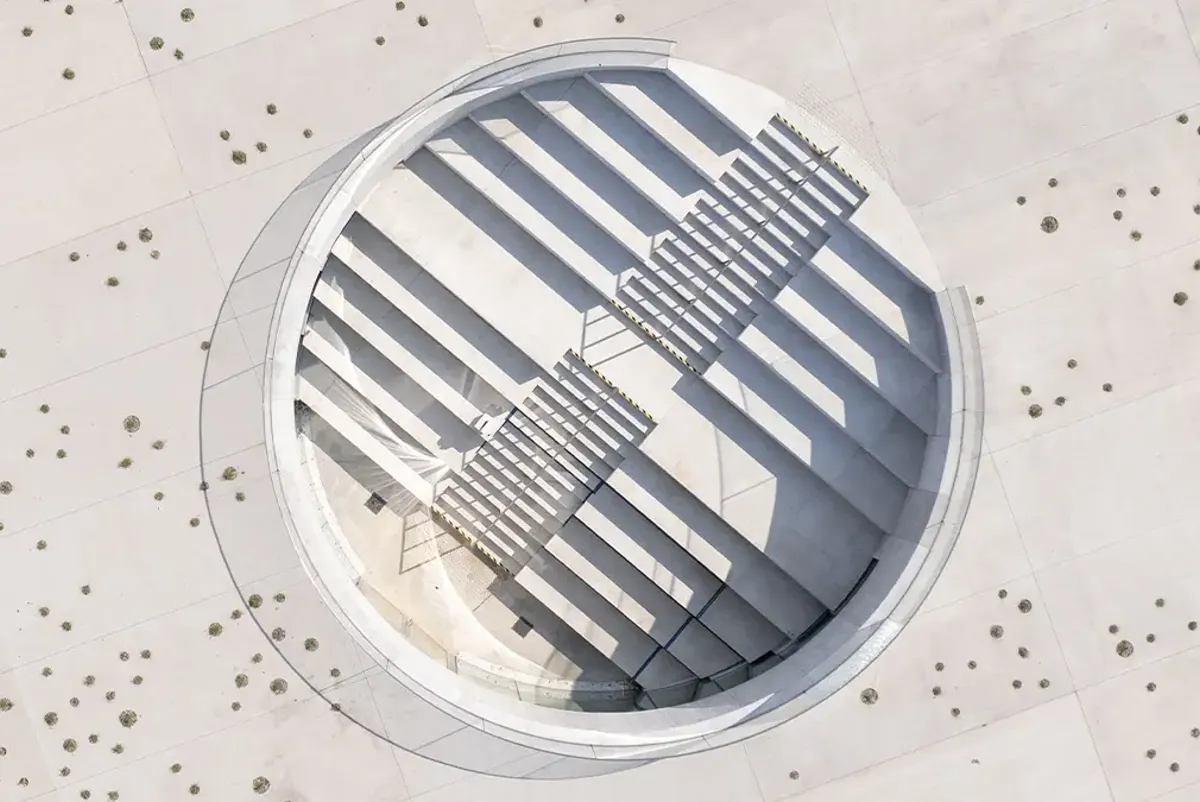
The garden on the rooftop contributes to thermal control and hosts native vegetation, supporting local biodiversity.
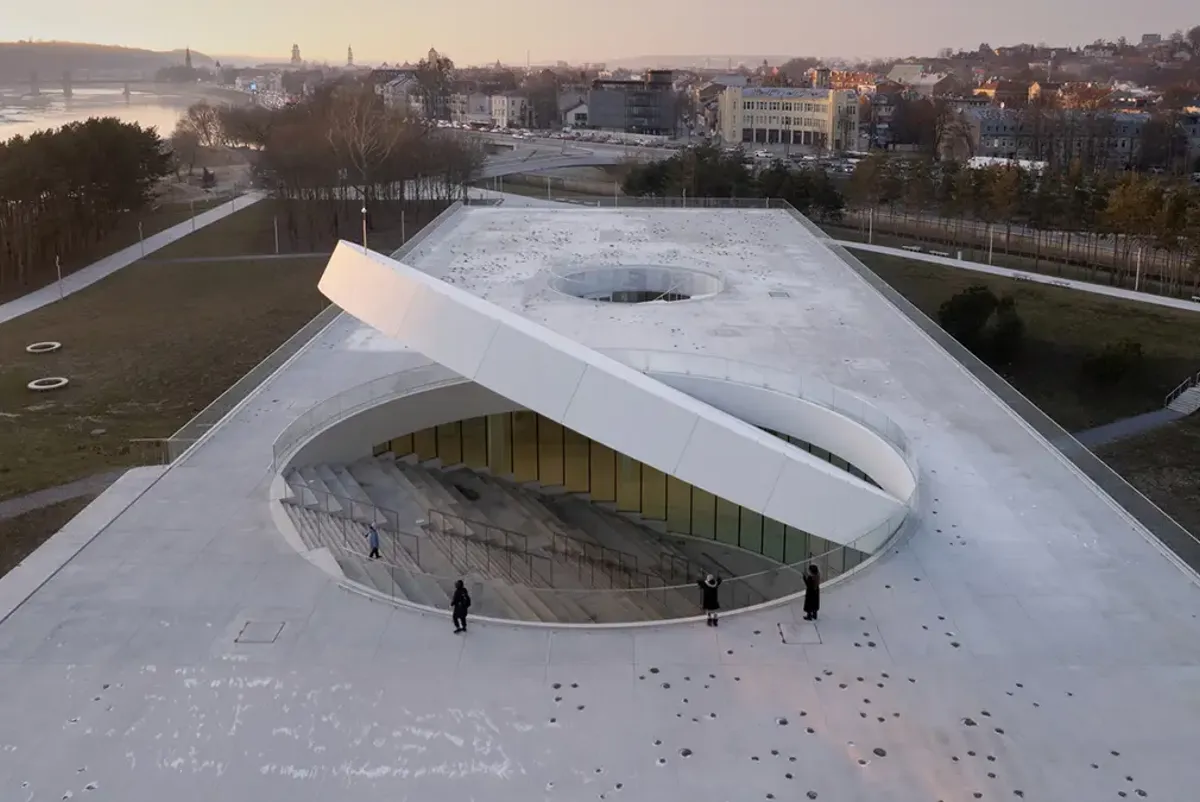
Circular principles were used to maximise natural light use, reduce carbon footprint, and ensure an optimal balance between aesthetics, technical performance and sustainability.
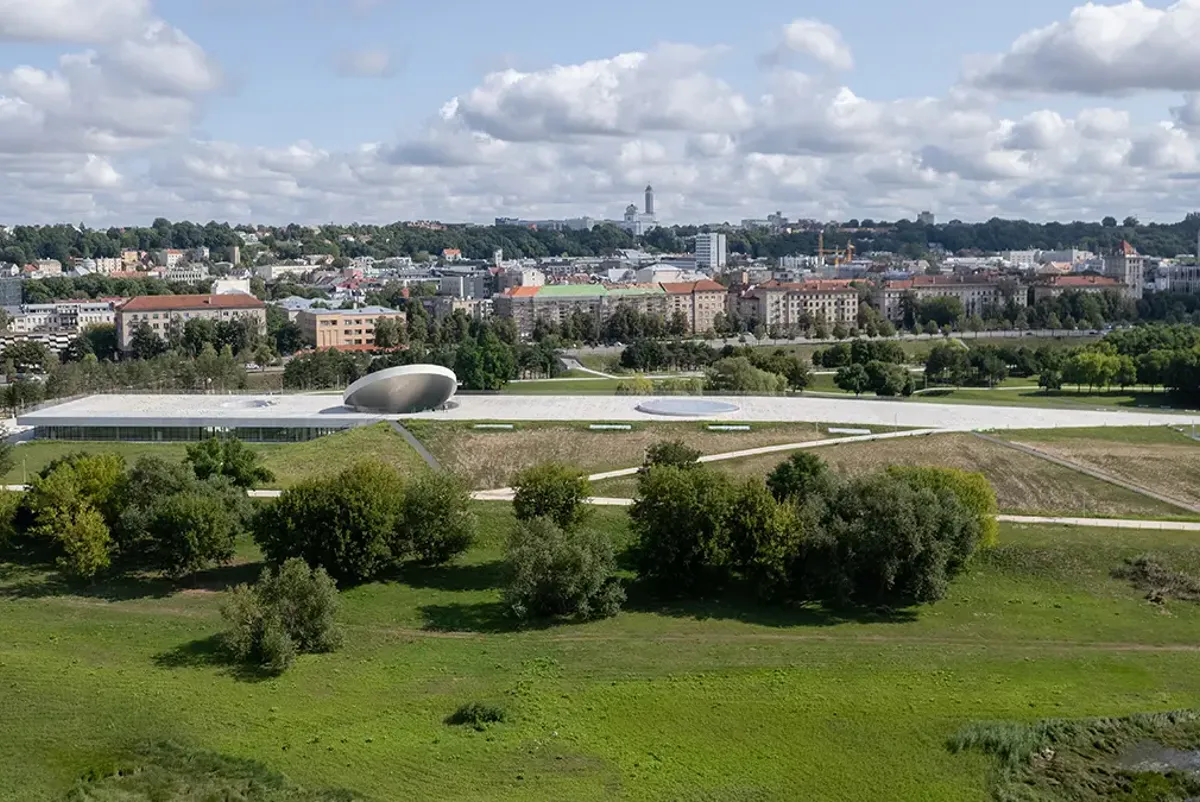
This museum aims to set a benchmark for sustainable architecture, energy efficiency, and indoor comfort, fully integrated into the landscape.
Where design meets environmental responsibility
Arup’s façade design experts selected the construction materials with the objective of meeting the highest standards of sustainability and efficiency required in a museum building of this nature, aiming to reduce the building’s operational energy consumption and minimise the carbon footprint of the materials during their manufacture.
The museum’s glazing system helps create a brighter, quieter, and more comfortable indoor environment by controlling the sunlight, reducing heat loss, and minimising noise. These features also contribute to long-term durability and sustainability by lowering energy demand, extending materials lifespan, and reducing maintenance needs over time.
Opaque elements were carefully designed to be lighter and better insulated, helping keep indoor spaces comfortable throughout the year. This approach supports the museum’s goals of energy efficiency and carbon reduction, while maintaining structural strength and minimising the environmental impact of the materials.
The roof garden is another key element of the museum’s building, which roof contributes to the thermal control by limiting heat transfer and keeping the building cooler. The garden on the rooftop hosts native vegetation, supporting local biodiversity. This system not only contributes to energy efficiency but also improves sustainability management and reduces the need for long-term maintenance thanks to the climate-adapted species.
The Science Island Museum is a bold example of how every element – from façade to roof – was designed to enhance indoor comfort, reduce environmental impact, and last over time.
We have just returned from Kaunas after the inauguration, and the impression has been very positive. It is one of those buildings that are difficult to capture in a single image and that truly reveals its quality when experienced in person [...]. We wanted to thank you for your work and for all the support you offered us at the time.
Architektų biuras / G.Natkevičius ir partneria / UAB Planas
Projects
Explore more arts and culture projects

Delivering lighting, acoustics, AV, and theater design for the Theodore Roosevelt Presidential Library
Theodore Roosevelt Presidential Library, USA

La Sagrada Família: a collaboration in digital and stone
Sagrada Família, Spain

Revitalizing the National Geographic Society’s headquarters with a new Museum of Exploration to showcase storytelling for explorers of the future
National Geographic Museum of Exploration, USA

A net-positive botanical garden built for research and resilience
Marie Selby Botanical Gardens, USA
Get in touch with us
If you'd like to speak to one of our facade engineering experts about any of the issues raised on this page or a potential collaboration then please get in touch by completing the form.
