
Circular design pioneers exhibition space of tomorrow
Women’s Pavilion in collaboration with Cartier at Expo 2025 Osaka

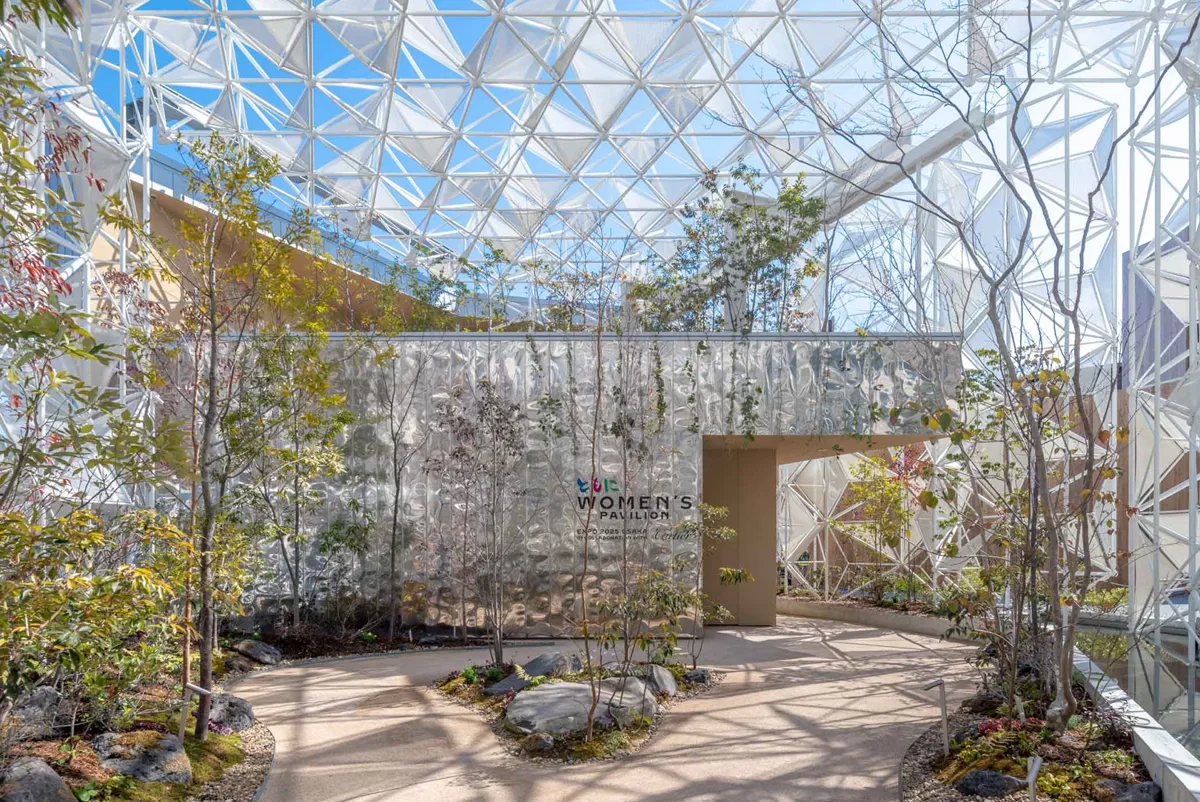
At Expo 2025 Osaka, Japan, Cartier presented the ‘Women’s Pavilion in collaboration with Cartier’, an exhibition space dedicated to women’s empowerment and gender equality.
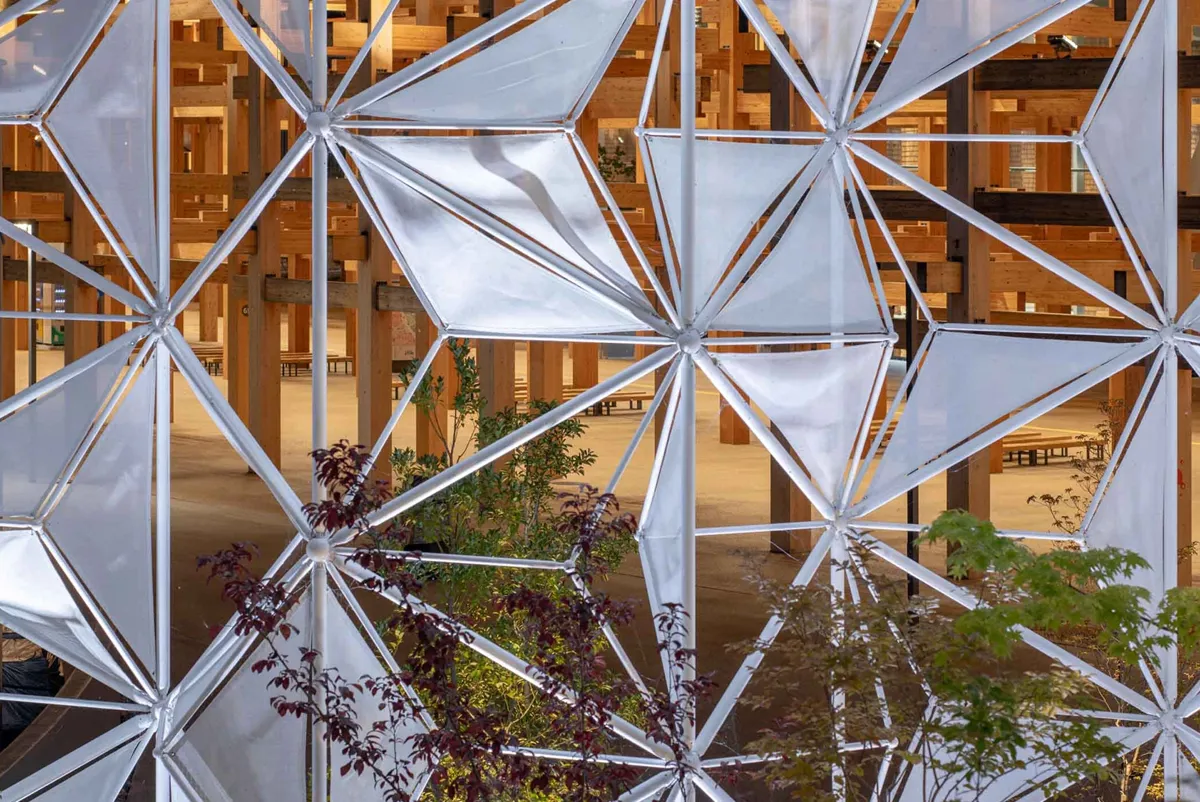
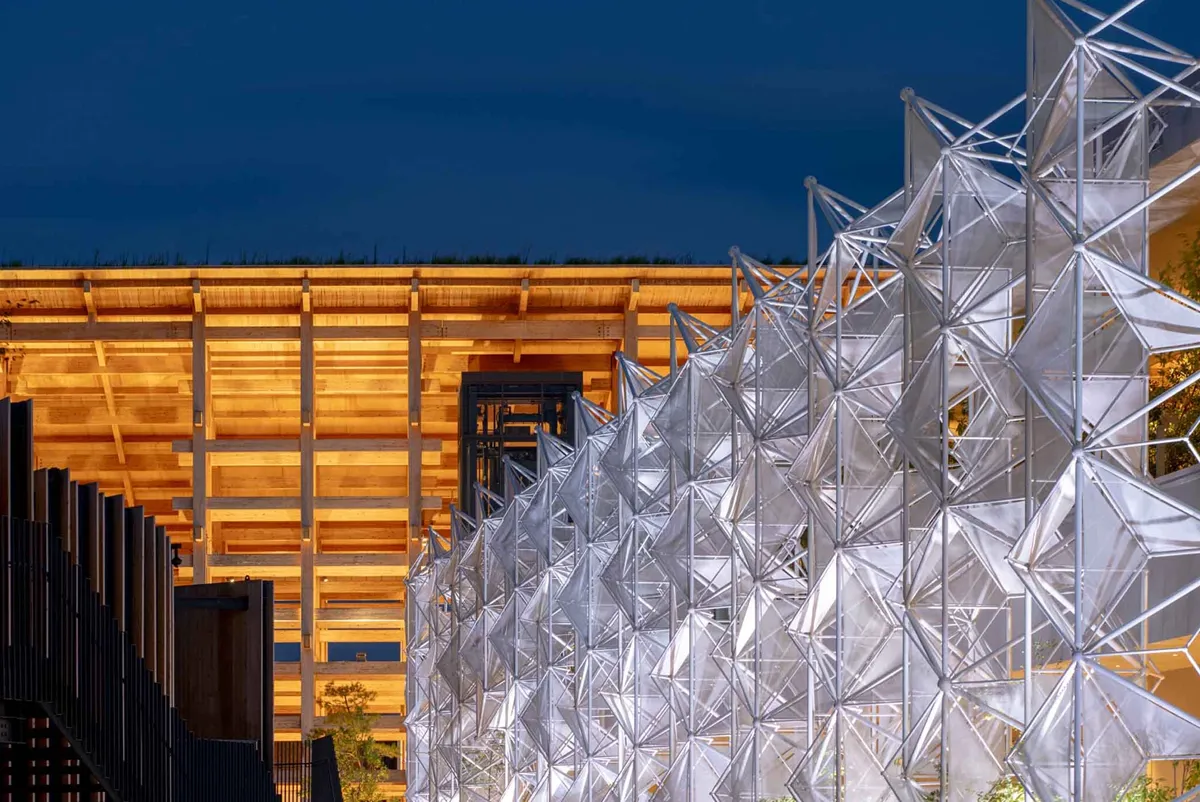
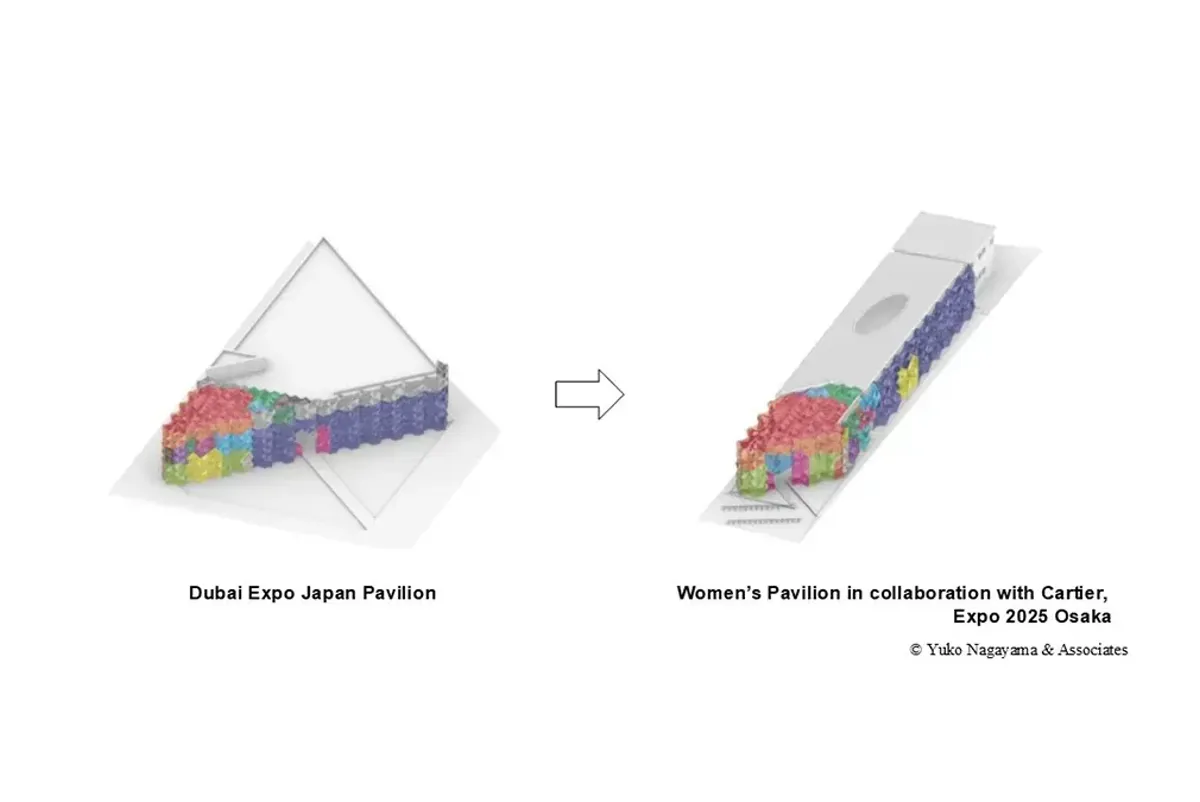
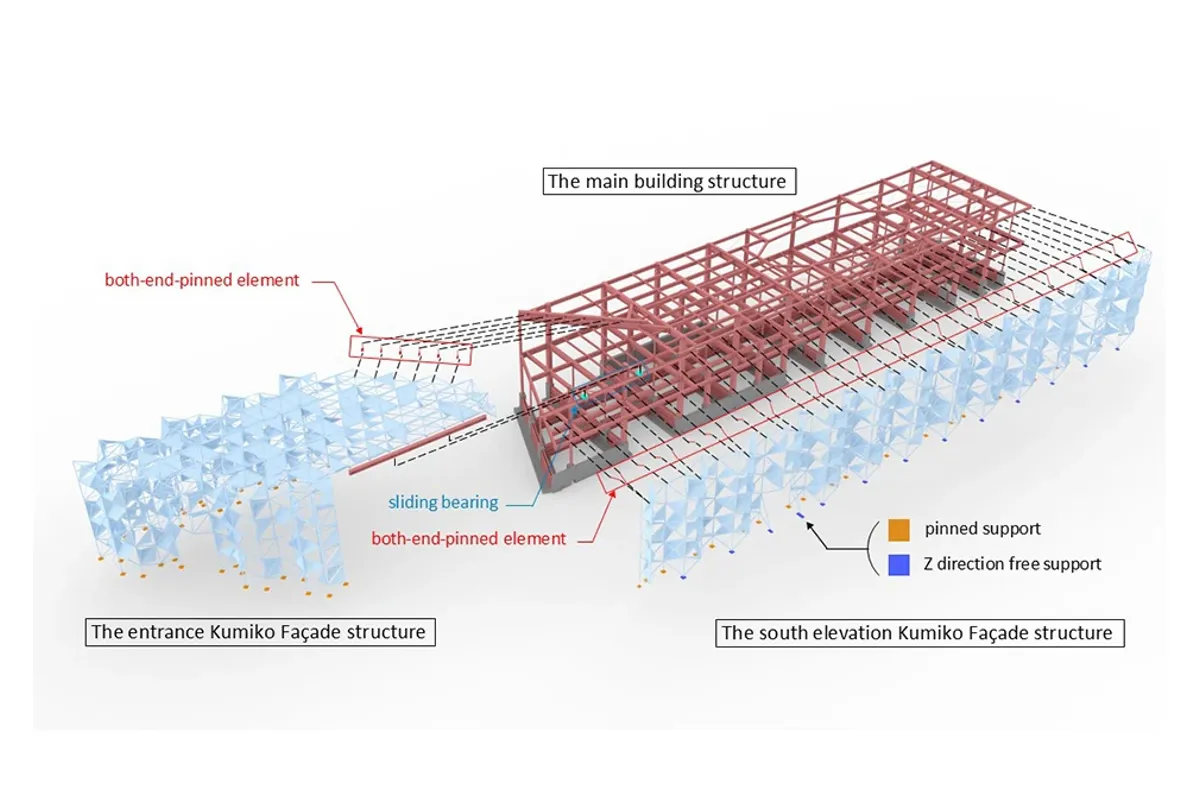
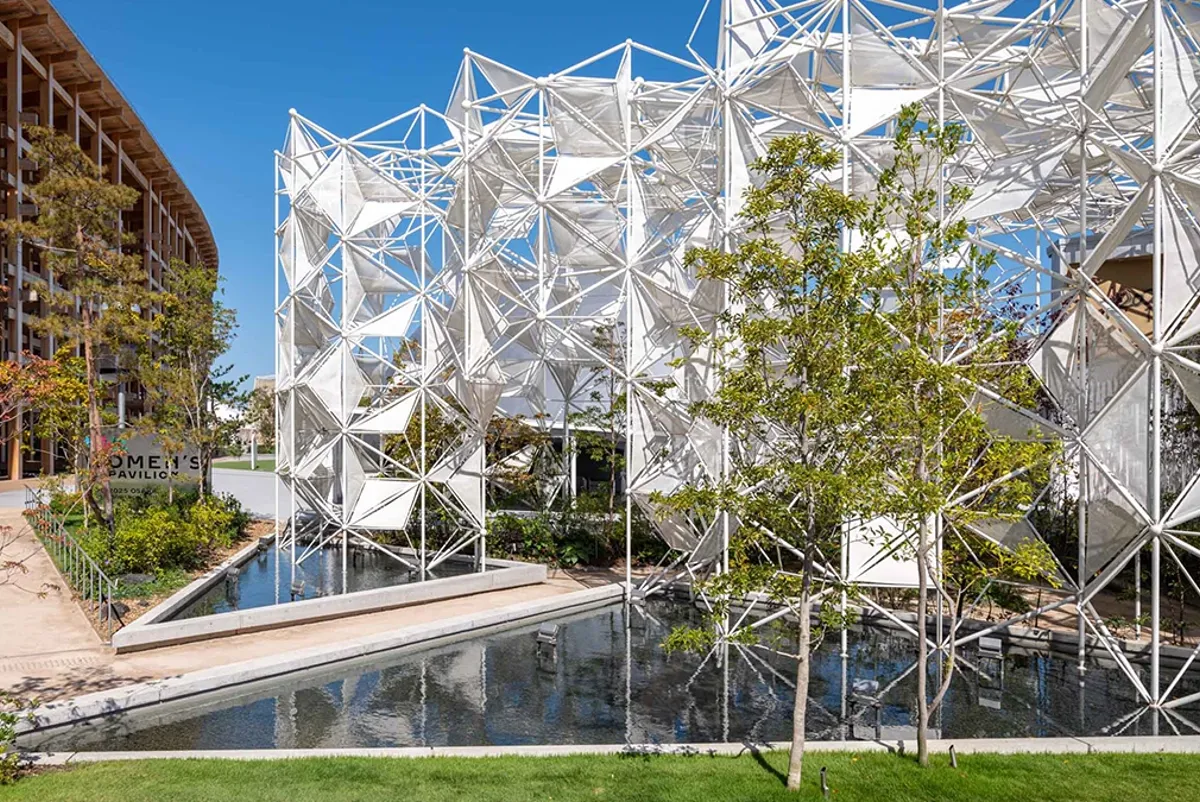
We collaborated with Yuko Nagayama & Associates, providing structural, MEP engineering and façade consulting. Building on our previous collaboration on the Japan Pavilion at Expo 2020 Dubai, we worked to realise an architecture that actively embraces circularity. Implementing circular economy principles, we reused approximately 10,000 façade components transported from Dubai, reducing embodied carbon, and integrating circulating water into the environmental design.
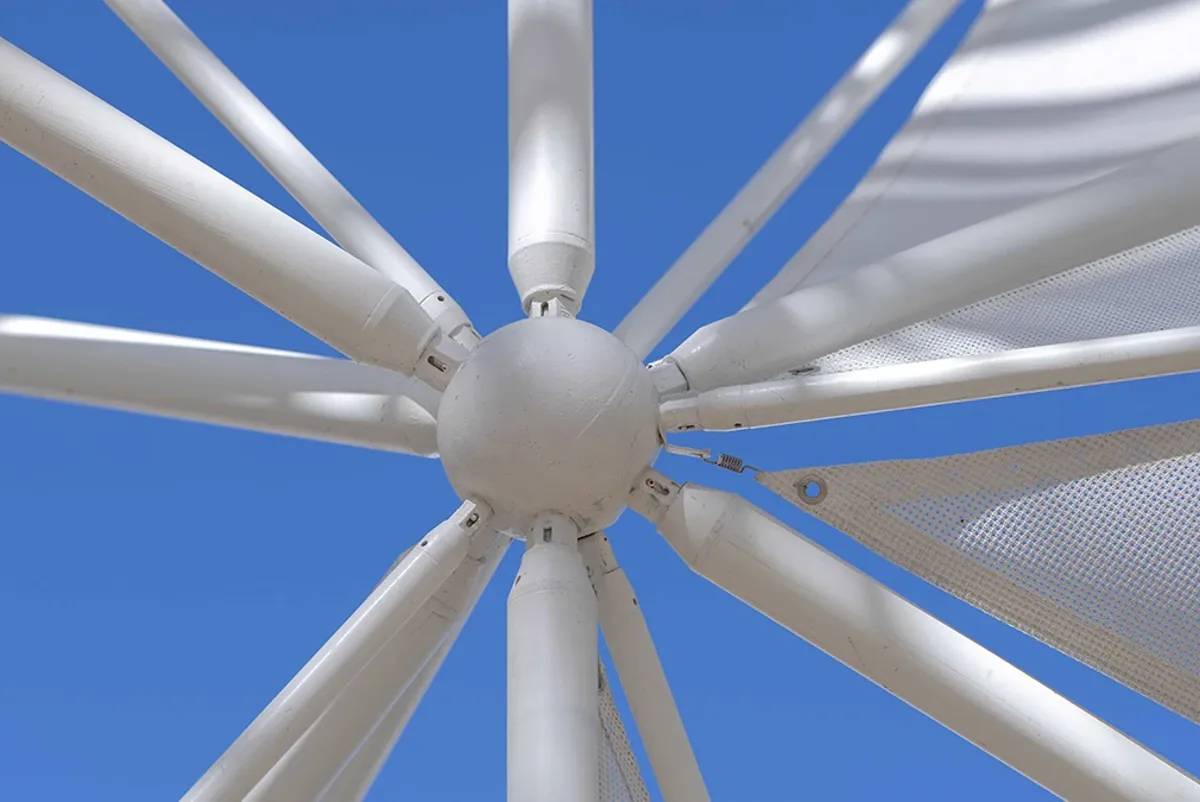
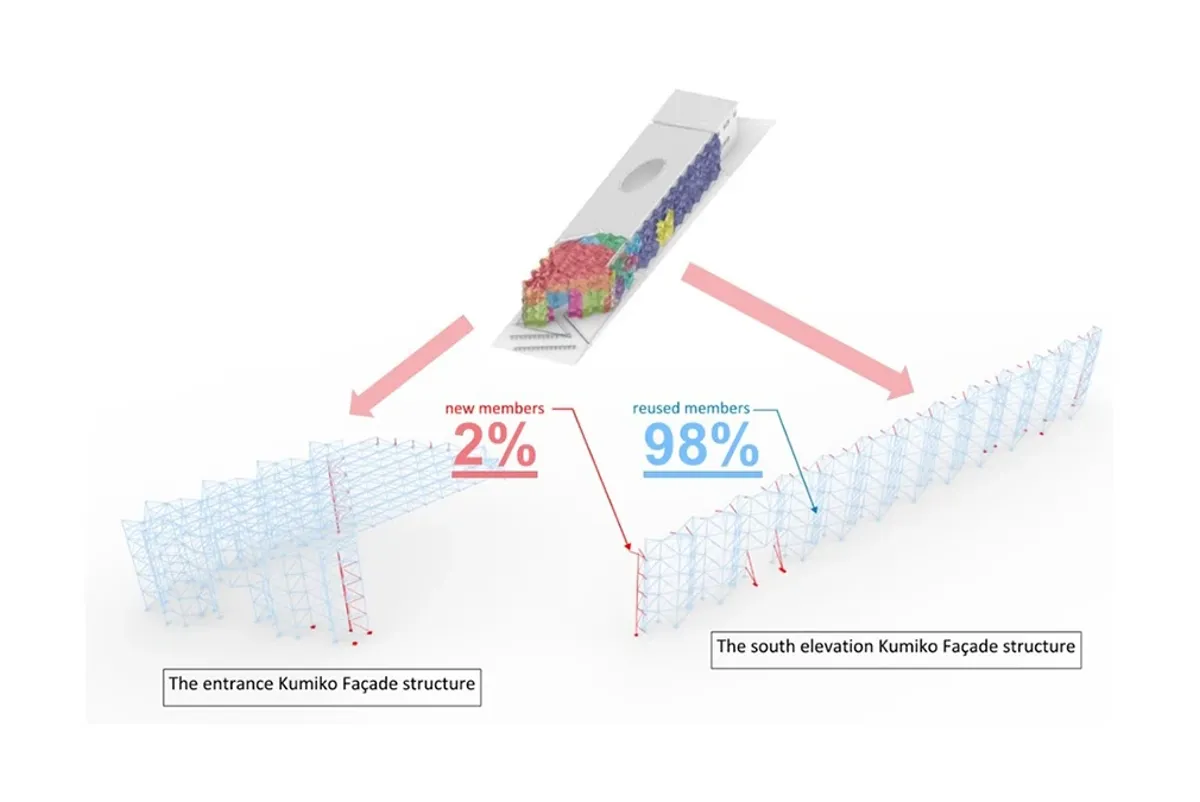
To accommodate the site’s different geometry, which required reconfiguring the façade components, we developed a digital tool that efficiently assessed each element’s reusability. To realise the architect’s vision of reusing the steel and membrane materials from the Kumiko façade, we tackled the challenge of adapting to a different site geometry. Using dimensional data from dismantled components, computational modelling, geometric analysis, and structural assessment, we achieved approximately 98% reuse of Kumiko façade elements.
Our approach minimised CO₂ emissions and processing needs, supporting both current and future reuse potential.
Engineering sustainability through material reuse
The main structure incorporates electric furnace steel, reusable temporary retaining steel materials, and low-carbon concrete with over 60% of cement replaced by blast furnace slag and fly ash. These choices resulted in a 47.2% reduction in greenhouse gas emissions during building material production and construction.
To further reduce environmental impact while ensuring safety, the design avoids welding where possible and includes structural innovations to maintain lateral stiffness during seismic events.
Following the successful reuse of the façade structure across two Expos, the pavilion’s façade will be repurposed for indoor exhibition facilities at the International Horticultural Expo (GREEN × EXPO 2027).
Nature-inspired climate solutions
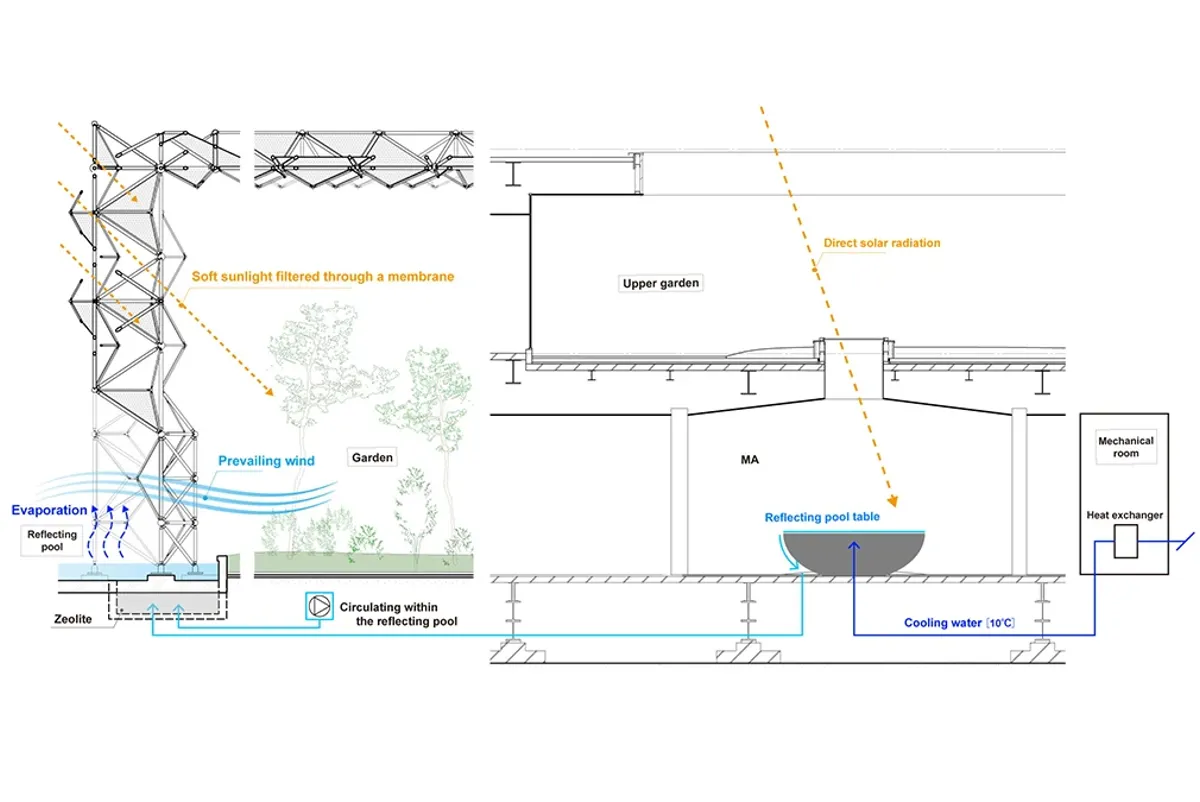
Inspired by nature, the pavilion features an environmental design centred on water circulation. One exhibition area consists of tables and chairs arranged beneath a large skylight, allowing natural light to pour in, creating an open, airy atmosphere. Cooled water flows across the table surfaces, absorbing heat from sunlight to provide a refreshing visitor experience—seamlessly integrating exhibition and climate control into an immersive, sensory environment.
The water then flows from the tables into an outdoor entrance reflecting pool, where it evaporates under sunlight to cool the surrounding air before returning to the atmosphere as part of a continuous cycle. Notably, the pool maintains water quality without mechanical filtration. Instead, the design mimics natural purification processes: porous stone materials in the water channels host beneficial bacteria that break down impurities, enabling sustainable water circulation and purification.
These innovations create a forward-looking exhibition space where architecture and environment coexist harmoniously.
Circular economy in practice
Society is transitioning from a linear economy based on mass production and consumption to a circular economy emphasising resource circulation. Expo 2025 Osaka serves as a platform for experimentation and demonstration of this transformation. The Women’s Pavilion in collaboration with Cartier explores circular economy principles through architecture, environment, and exhibition design.
Top image © Nobutada OMOTE
Cartier Japan / Richemont Japan Limited (Cartier)
Projects
Explore more arts and culture projects

Delivering lighting, acoustics, AV, and theater design for the Theodore Roosevelt Presidential Library
Theodore Roosevelt Presidential Library, USA

La Sagrada Família: a collaboration in digital and stone
Sagrada Família, Spain

Revitalizing the National Geographic Society’s headquarters with a new Museum of Exploration to showcase storytelling for explorers of the future
National Geographic Museum of Exploration, USA

A net-positive botanical garden built for research and resilience
Marie Selby Botanical Gardens, USA
Get in touch with us
If you'd like to speak to one of our arts and culture experts then please get in touch by completing the form.
